There is something unforgettable about watching a dog discover water for the first time. Some leap in with total confidence, convinced they were born for dock-diving glory. Others stand at the edge of the pool, carefully considering every ripple like tiny scientists conducting field research. At Animal Friends’ Pampered Paws, we have seen both reactions countless times during our Pool Pawty events, and honestly, that mix of excitement, curiosity, and joyful chaos is exactly what makes these gatherings so special.
For many first-time dog owners, though, the idea of bringing a dog to a canine pool party can feel a little intimidating. Questions start piling up quickly. Will my dog know how to swim? What if they are nervous around other dogs? What should I bring? Will they be exhausted afterward? These are smart questions, and they are the same concerns we hear from guests attending their very first event at our facility. That is why we always encourage owners to think of a Pool Pawty less like a competition and more like a carefully supervised social experience designed around safety, enrichment, and fun.
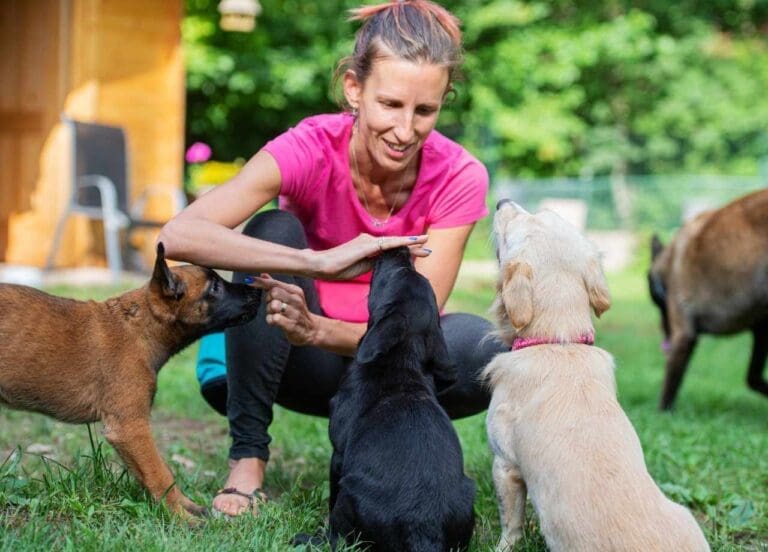
Dogs thrive when they have opportunities to move, explore, and interact in healthy ways. Structured activities like swimming sessions, daycare playgroups, and supervised social events help build confidence and reduce stress for many dogs, especially younger pups with growing energy levels. A Pool Pawty simply combines all those benefits into one memorable experience.
Why Dogs Respond So Naturally to Water Play
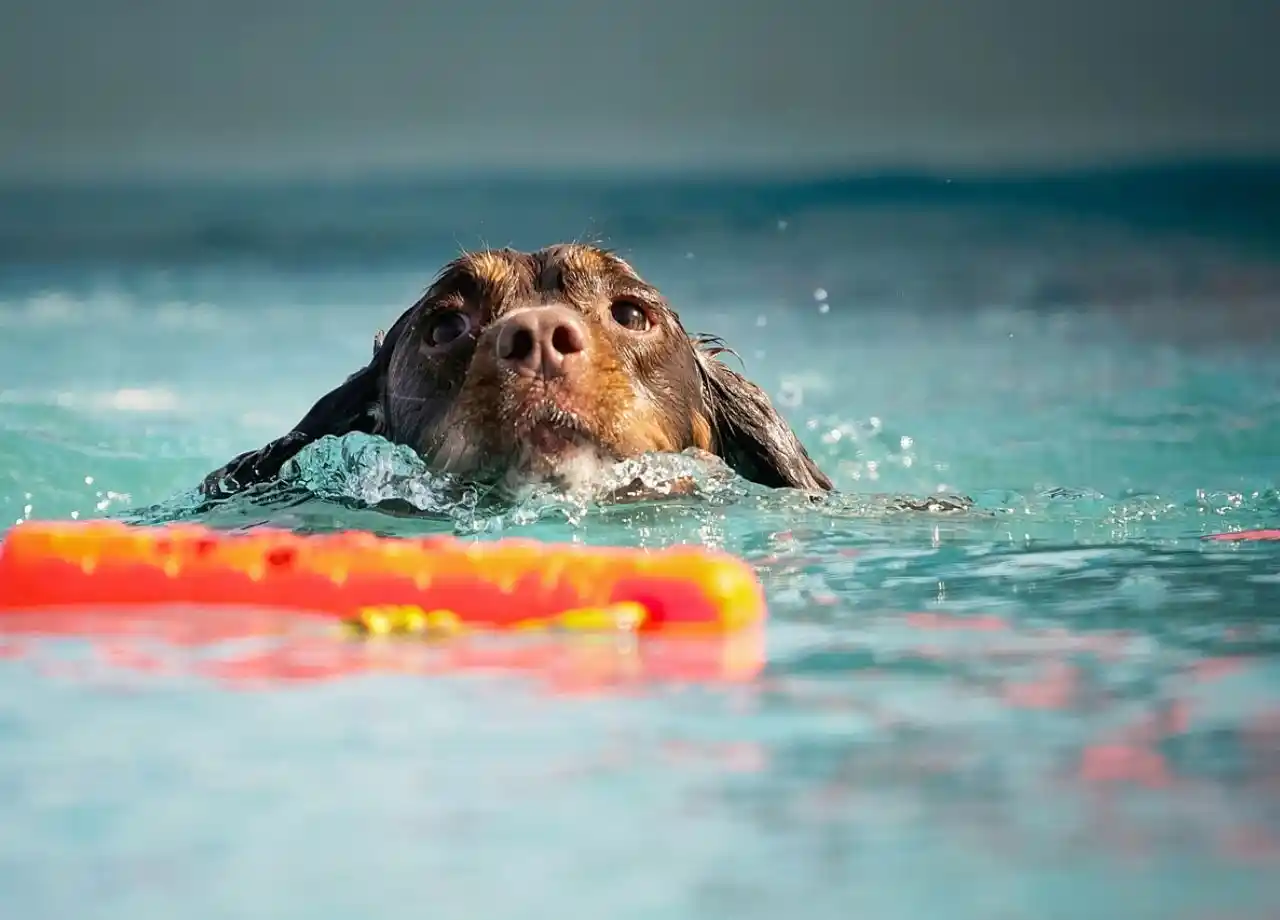
People often assume swimming is purely recreational for dogs, but there is actually much more happening beneath the surface. Water play engages a dog physically and mentally at the same time. Swimming activates muscle groups that many dogs do not fully use during ordinary walks, while the changing environment challenges balance, coordination, and confidence.
For high-energy breeds, swimming can be one of the healthiest forms of exercise available. It provides a full-body workout without putting excessive pressure on joints. This is especially valuable during warmer Virginia months when asphalt temperatures can become uncomfortable for paws and traditional exercise routines become more limited.
Even dogs who are not natural swimmers often benefit emotionally from gradual water exposure. We have watched cautious dogs transform over the course of a single afternoon once they realize they are safe, supported, and free to explore at their own pace. Confidence-building moments like these are one reason our staff loves hosting these events so much.
The social aspect matters too. Dogs are deeply observant animals. Nervous dogs frequently gain reassurance by watching calm, confident dogs enter the water first. A well-managed group environment can create positive learning experiences that owners may struggle to recreate at home.
Your Dog Does Not Need to Be an Olympic Swimmer
One of the biggest misconceptions about canine pool events is that every dog attending is already an experienced swimmer. That is simply not true. Some of our happiest Pool Pawty guests begin their first event by staying in the shallow area and splashing around cautiously.
The goal is never to force a dog into the water. In fact, pushing nervous dogs too quickly often creates setbacks instead of progress. A positive first experience usually starts with patience, observation, and gentle encouragement.
Dogs communicate comfort levels clearly through body language. Relaxed posture, curiosity, playful movement, and tail activity are all signs your dog is settling in. On the other hand, freezing, avoiding eye contact, excessive panting, or trying to retreat may signal that your dog needs a slower introduction.
This is where experienced supervision matters enormously. Safe canine social environments are not just about letting dogs run freely. They require attentive staff who understand canine behavior and know when to intervene, redirect energy, or create calmer interactions.
At our events, we pay close attention to those early adjustment moments because first impressions shape how dogs feel about future social experiences.
What to Bring to Your First Pool Pawty
Preparation makes a huge difference, especially for first-time attendees. While every facility may have slightly different guidelines, there are a few essentials we always recommend owners bring along.
A secure collar or harness is important for arrivals and transitions between play areas. Even confident dogs can become overstimulated in new environments, so maintaining safe control during entry and exit matters.
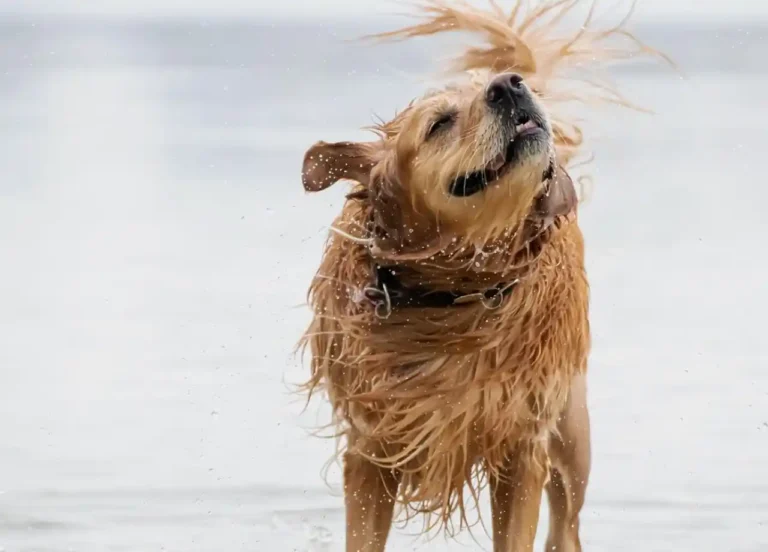
Fresh towels are another obvious but important item. Dogs rarely leave the pool area dry, and many owners underestimate just how soaked their vehicle may become afterward.
Hydration is equally important. Swimming is physically demanding, even for athletic dogs. Most supervised facilities provide water stations, but bringing a familiar water bowl can help nervous dogs stay comfortable.
Owners should also avoid feeding large meals immediately before swimming sessions. Just like humans, dogs can become uncomfortable during intense physical activity after eating heavily.
Perhaps most importantly, bring realistic expectations. Not every dog cannonballs into the pool on day one, and that is perfectly fine. Some dogs spend their first event socializing around the edges, exploring the environment, or simply observing. Those experiences are still valuable.
Understanding Dog-to-Dog Social Energy
One thing new owners often underestimate is how stimulating group canine environments can be. Dogs communicate constantly through movement, posture, vocalization, and play style. A Pool Pawty introduces multiple layers of excitement at once: water, people, toys, movement, and unfamiliar dogs.
That level of stimulation is why structured supervision is essential.
Healthy play should look balanced and mutual. Dogs should take turns chasing, splashing, and initiating interaction. Brief pauses are healthy too. Dogs naturally regulate social activity when given appropriate space and guidance.
At professionally supervised events, staff members watch carefully for overstimulation. Sometimes a dog simply needs a short break outside the pool area to reset emotionally before returning to play. That is completely normal.
First-time owners are often surprised by how tired their dogs become afterward. Swimming and social interaction together can drain energy levels far more effectively than a long walk. Many dogs sleep deeply for hours after their first event, which owners usually consider an unexpected bonus.
Why Safety Matters More Than Excitement
Pool events should always prioritize emotional and physical safety over high-energy entertainment. A good canine pool environment is not about chaos. It is about controlled fun.
That starts with water safety itself. Not all dogs are naturally buoyant, and breed structure plays a role in swimming ability. Bulldogs, pugs, and other brachycephalic breeds may fatigue more quickly in water due to body shape and respiratory limitations. Older dogs may also require shorter swim sessions and more rest breaks.
Sanitation is equally important. Properly maintained canine pools require consistent monitoring and cleaning protocols to protect dogs from irritation or illness.
Temperature management matters too, particularly during Virginia summers. Dogs can overheat surprisingly fast during high-intensity group play. Experienced handlers monitor for signs of exhaustion, overheating, or stress throughout the event.
This is one reason many owners appreciate professionally managed facilities over informal backyard gatherings. Supervised environments create safer, more predictable experiences for both dogs and humans.
The Emotional Side of Shared Experiences
One of the things we love most about hosting Pool Pawty events is watching owners experience their dogs in a completely different environment. Daily routines often revolve around schedules, obedience, and structure. A pool event creates space for pure joy.
Owners frequently discover new sides of their dogs during these gatherings. The shy rescue suddenly becomes playful. The overly energetic puppy learns social boundaries through healthy interaction. The cautious senior dog relaxes into gentle water therapy and quiet companionship.
These moments matter more than people sometimes realize.
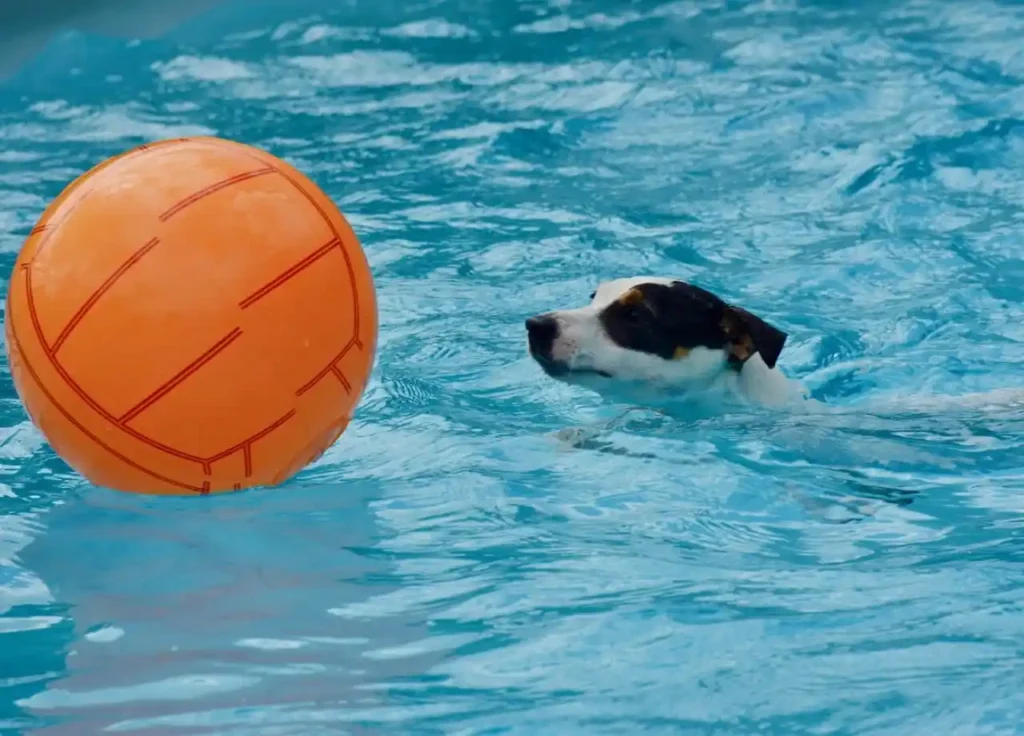
Dogs build confidence through successful experiences. Positive social outings help many dogs become more adaptable, resilient, and emotionally balanced in other settings too. We often see dogs become more comfortable during boarding stays, daycare visits, and training sessions after building familiarity through recreational events first.
For owners, there is reassurance in seeing their dog happy, safe, and socially engaged under professional supervision. That peace of mind becomes especially valuable for families considering future daycare or overnight boarding services.
What Happens After the Party Ends
The post-event phase is actually one of the most important parts of the experience. Most dogs leave physically tired but mentally satisfied. You may notice your dog sleeping heavily, drinking more water than usual, or staying unusually calm throughout the evening.
This kind of healthy exhaustion is typically a sign of proper enrichment. Dogs need physical exercise, but they also need mental stimulation and social interaction. A balanced event provides all three.
Some dogs may experience mild soreness after their first major swimming session, especially if they are not accustomed to using those muscle groups regularly. This is generally temporary, but owners should still monitor energy levels and provide plenty of rest afterward.
Bathing your dog after swimming is also a good idea, particularly for dogs with sensitive skin or thick coats. Thorough drying is important too, especially around ears and skin folds.
Perhaps the biggest change owners notice after their first Pool Pawty is increased confidence, both in themselves and in their dogs. Once you see your dog successfully navigate a structured social environment, future experiences feel far less intimidating.
Why First Experiences Matter So Much
Dogs remember emotional experiences very clearly. A positive introduction to swimming, social play, and supervised group activity can shape how your dog feels about similar environments for years.
That is why we never rush the process.
A successful first Pool Pawty is not measured by how many times your dog jumps into the water. It is measured by whether your dog leaves feeling safe, engaged, and eager to return. Sometimes the biggest victories are subtle: a nervous dog approaching the water voluntarily, a shy puppy initiating play, or an anxious owner finally relaxing after seeing their dog thrive.
Those moments build trust. They build confidence. And honestly, they are why we continue creating these experiences year after year.
In the end, a Pool Pawty is not really about the pool at all. It is about giving dogs opportunities to enjoy life fully, safely, and socially while helping owners better understand the animals they love. Around here, we believe those experiences are worth celebrating every single time.