At Animal Friends Pampered Paws, we’ve spent over 20 years watching thousands of dogs run, romp, and roll across our fields and daycare yards. One thing we’ve learned from all this experience is that dogs speak volumes—even though they don’t say a word. Their body language, expressions, and postures are a sophisticated system of communication. If you spend any time at a dog park or a daycare like ours, understanding dog body language is not just a helpful skill—it’s essential for ensuring the safety and well-being of every pup present.
Whether your dog is enjoying one of our Nature Dog or City Slicker daycare packages, or just socializing with a new friend during a boarding stay, we believe owners should feel confident reading the room—or rather, the dog yard. When we understand what our dogs are saying with their bodies, we can better support their play, protect them from stress, and help foster healthy interactions.
The Basics of Canine Communication
Dogs use their entire bodies to communicate—ears, eyes, tail, posture, even their breathing patterns. Unlike humans, who rely heavily on spoken language, dogs are always talking with subtle cues. A wagging tail doesn’t always mean a happy dog. An exposed belly isn’t always an invitation to rub. It’s context and combinations that give meaning.
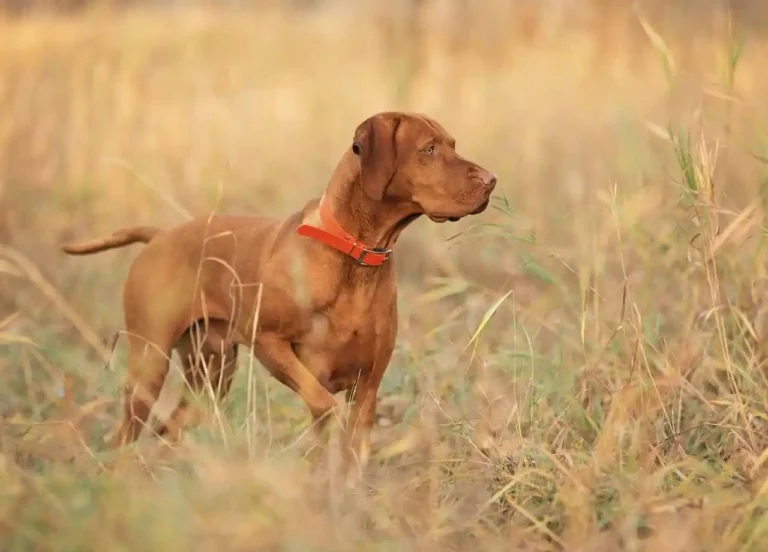
Take the tail, for example. A high, stiff wag could signal alertness or agitation, especially if the tail is rapidly vibrating. A low, relaxed tail that sweeps back and forth? That’s usually a good sign of a content, friendly pup. Ears perked forward might mean curiosity, while ears pinned back could indicate fear, nervousness, or submissiveness. Dogs also use their eyes expressively—wide eyes with visible whites (sometimes called “whale eye”) can be a clear sign of discomfort or stress.
Posture plays a huge role too. Confident, relaxed dogs have loose, wiggly bodies. Tension in the legs or shoulders, frozen stances, or crouching can indicate unease. A classic “play bow”—front legs down, back end up—is a universal signal that says, “I’m just playing!”
Signs of Healthy Play vs. Tension
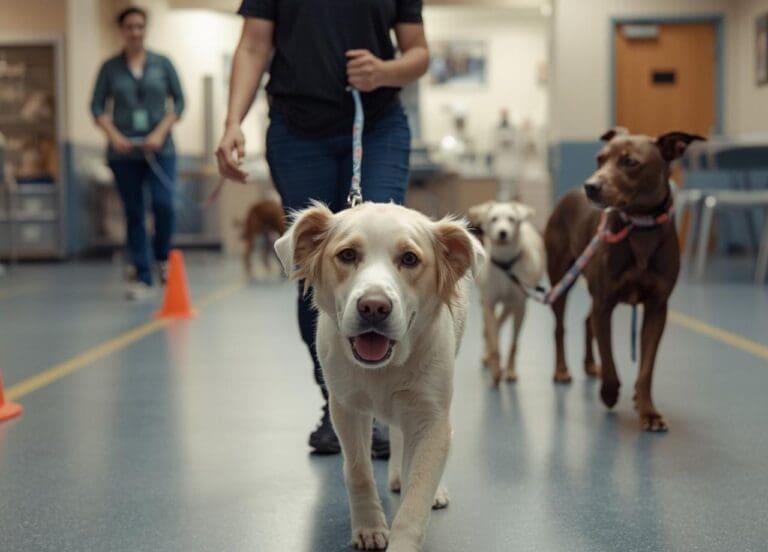
At our dog daycare, we carefully supervise interactions and rely on these physical cues to help us differentiate between healthy play and moments that need redirection. For pet parents watching their pups at a park or during pick-up, understanding these differences is empowering.
Healthy play typically looks bouncy, exaggerated, and well-matched. Dogs may take turns chasing or being chased, pause periodically to reset, and often respond well to each other’s body signals. Vocalizations like barks or growls can be normal during play—but tone and body language matter. A playful growl sounds different from a warning growl when you know what to listen for.
In contrast, signs of tension include a dog pinning another, stiff or frozen bodies, snarling, snapping, and overly intense chasing that doesn’t seem mutual. If one dog tries to get away and the other won’t back off, it’s time for intervention. Raised hackles, a hard stare, and repeated mounting are also warning flags. These are moments when a trained staff member steps in—or when you, as the owner, should confidently call your dog away and give them a break.
The Role of Social Skills and Personality
Not every dog is a social butterfly. Just like people, dogs have different personalities, energy levels, and social boundaries. Some are exuberant extroverts who love rough-and-tumble play; others prefer calm companionship or one-on-one sniffs. At AF Pampered Paws, we evaluate each dog before grouping them in our daycare yards because temperament matters just as much as size or breed.

A dog that’s overstimulated or unsure may act out or withdraw. You might see a dog trying to avoid others by staying close to humans, sniffing the ground excessively, or repeatedly hiding behind objects. These behaviors are worth watching—they’re communication just as much as a tail wag.
Being a good advocate for your dog means respecting their boundaries and helping them engage at their own pace. Socialization isn’t about forcing play; it’s about safe, positive exposure and learning doggy etiquette over time.
What Owners Can Do at the Park or During Daycare
Whether you’re standing at the fence watching a group of dogs play, or dropping your pup off for a day of enrichment and exercise, your awareness makes a difference. Learn to read the signs, but also trust your instincts. If your dog looks uncomfortable—even if others say “they’re just playing”—your perspective as their guardian is valid.
At dog parks, be proactive. Watch your dog’s body language as well as their playmates’. Look for signs of mutual play and be ready to step in if things escalate. Don’t be afraid to leave if the vibe isn’t right. Your dog’s emotional safety is worth it.
At a daycare like ours, you can always talk to the staff. Ask how your dog is doing socially, whether they tend to be assertive, playful, cautious, or reserved. We’re always happy to share feedback and suggest what kind of playgroups or activity packages fit best.
A Deeper Bond Through Understanding
Reading your dog’s body language isn’t just about avoiding problems. It’s about deepening the bond you share. When your dog knows you understand them, that you see and respond to their cues, their trust in you grows.
We see it every day—when a shy dog gains confidence because we respect their signals, or when a high-energy pup thrives with friends who match their style. The magic of group play happens when dogs feel safe, understood, and free to be themselves.
And that magic doesn’t just belong to trainers and staff—it belongs to every dog owner willing to learn their pup’s unique voice. So next time you’re at the dog park, or watching a tail wag across our daycare yard, take a closer look. Your dog is speaking to you. Are you listening?