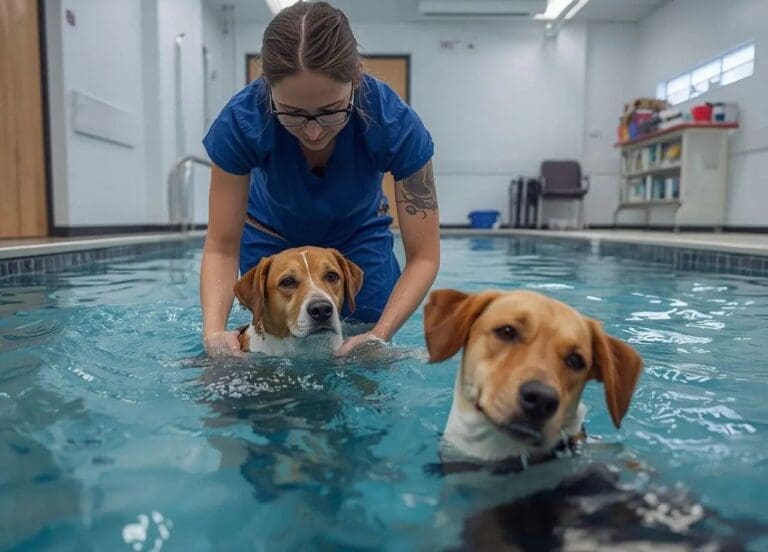

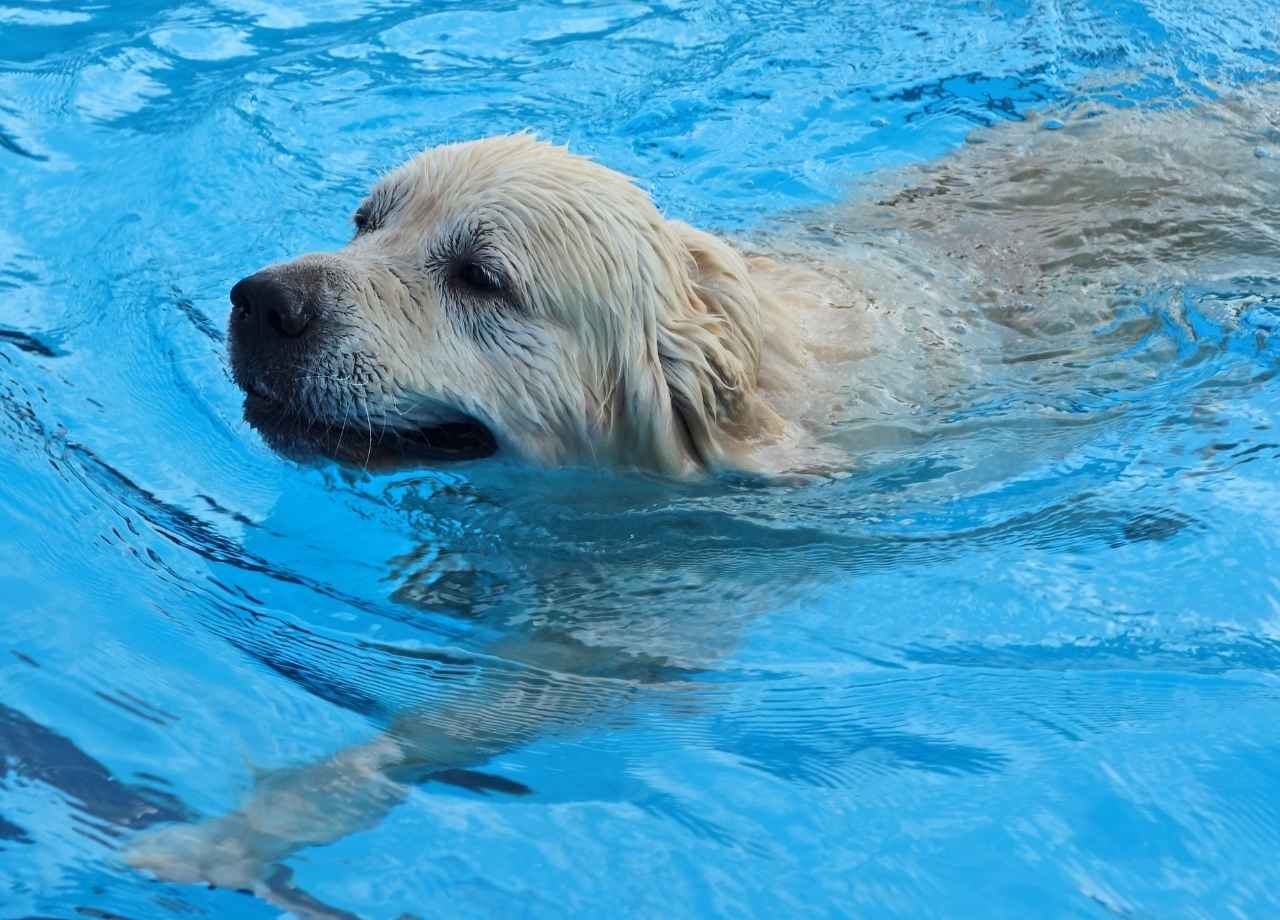
There’s something inherently joyful about a dog in the water. Whether they’re paddling with purpose or simply splashing around, swimming tends to bring out a unique mix of energy and contentment that’s hard to replicate on land. It’s more than play—it’s movement, therapy, and emotional release all in one.
At Animal Friends Pampered Paws, we’ve seen first-hand how transformative swimming can be for dogs. Whether it’s the joy of splashing in the water, the soothing effect on stiff joints, or the cardio boost from an energetic swim, the benefits go far beyond what many pet parents might expect. On our 14-acre property, our dog swimming sessions are more than just play—they’re an intentional blend of fun, fitness, and emotional enrichment. It’s one of the reasons we designed our Water Dog package, which includes swim time, for pups who love to paddle or need low-impact conditioning.
Swimming as a Superior Form of Canine Cardio
Not all exercise is created equal, especially when it comes to dogs with unique needs. Swimming is one of the few physical activities that provides a full-body workout while being incredibly gentle on joints and ligaments. That makes it ideal for senior dogs, pups with arthritis, or those recovering from orthopedic procedures. But even for healthy, high-energy dogs, swimming works muscles that typical walks or runs don’t reach, and it burns calories fast without the wear and tear.
What we love most is watching dogs who don’t normally enjoy traditional exercise light up in the pool. Swimming engages the core, improves circulation, and strengthens the heart, all without overheating. Because water offers natural resistance, it pushes dogs just enough to build endurance and tone muscle while still keeping things low-impact. It’s also an incredible way to cross-train active dogs who need a break from hard surfaces but still need to burn off that endless energy.
Mental Enrichment and Emotional Wellbeing
There’s a shift that happens when a dog steps into the water—especially for the first time. You can see their curiosity spark, their focus narrow, and often, a visible release of anxiety or tension. Swimming can be deeply therapeutic for anxious dogs or those with a history of trauma. The sensation of water, the change in environment, and the novelty of the experience stimulate their senses in positive ways.
Many of our regular swimmers become more confident, calmer, and better behaved after incorporating swim sessions into their weekly routine. Water activities can break patterns of stress and provide structured stimulation that engages both mind and body. It’s not uncommon for owners to tell us their dog sleeps more soundly and seems more relaxed after a good swim.
A Safe Option for Dogs with Physical Limitations
One of the reasons we advocate for dog swimming is that it’s an inclusive activity. Dogs with hip dysplasia, spinal issues, or general mobility limitations often struggle with traditional play. In water, though, those same dogs can stretch, paddle, and move freely without pain. We’ve worked with dogs who were previously limited to short walks and seen them enjoy meaningful movement again through swim sessions.

Of course, safety is paramount. We always ensure dogs are comfortable, properly fitted with flotation vests if needed, and never left unattended in or near the pool. Our swim staff is trained to guide dogs of all sizes and confidence levels, from hesitant first-timers to natural-born swimmers. The key is to make every session feel like play while still respecting each dog’s comfort and capabilities.
Social and Behavioral Growth Through Water Play
While swimming is inherently a solo physical activity, it can also support socialization and better behavior—especially when integrated with a broader daycare or training routine. Dogs that swim regularly tend to be more balanced emotionally and less reactive. We’ve seen pups with leash aggression or fear-based behaviors become more adaptable after consistent water play. The calming effect of swimming often carries over into other areas of their lives.
For dogs that join group swim time or swim adjacent to others, it’s also an opportunity to build confidence around fellow canines in a non-confrontational setting. Unlike dog parks or chaotic playgroups, the pool environment is controlled and guided, which sets the stage for positive interactions. As part of our broader daycare and training environment, swimming is a piece of the puzzle that contributes to overall canine wellbeing.
Beyond Exercise: Building Joyful Habits
Swimming isn’t just another form of exercise—it’s an experience. And when dogs associate the pool with fun, safety, and encouragement, it becomes a powerful motivator for healthy habits. Just like people, dogs need variety in their routines to stay engaged and happy. Adding swimming into the mix helps prevent boredom and reduces the risk of destructive behaviors that stem from under-stimulation.
Some dogs develop an almost ritualistic joy in their swim days. You can see the anticipation in their eyes as they head toward the pool, and the sense of pride after a session well done. This kind of positive reinforcement builds emotional resilience and contributes to a dog’s overall quality of life. And for pet parents, there’s nothing more rewarding than seeing your dog fully alive, tail wagging in the water, enjoying every splash.
Final Thoughts: Every Dog Deserves a Dip
We truly believe swimming can change a dog’s life. It’s not just exercise—it’s engagement, empowerment, and pure joy. Whether you’ve got a high-energy retriever, an aging shepherd, or a shy rescue, the water welcomes them all with open paws. From our experience, once a dog gets comfortable in the water, swimming becomes more than a physical outlet—it becomes a celebration of their unique spirit.
If you’re curious whether swimming is right for your dog, we’re always happy to help you explore it safely and comfortably. There’s no pressure, just a passion for helping dogs thrive in every way possible. So next time you’re thinking about how to give your pup a little more fun, fitness, or emotional balance, consider the pool—it might just be their new favorite place.