
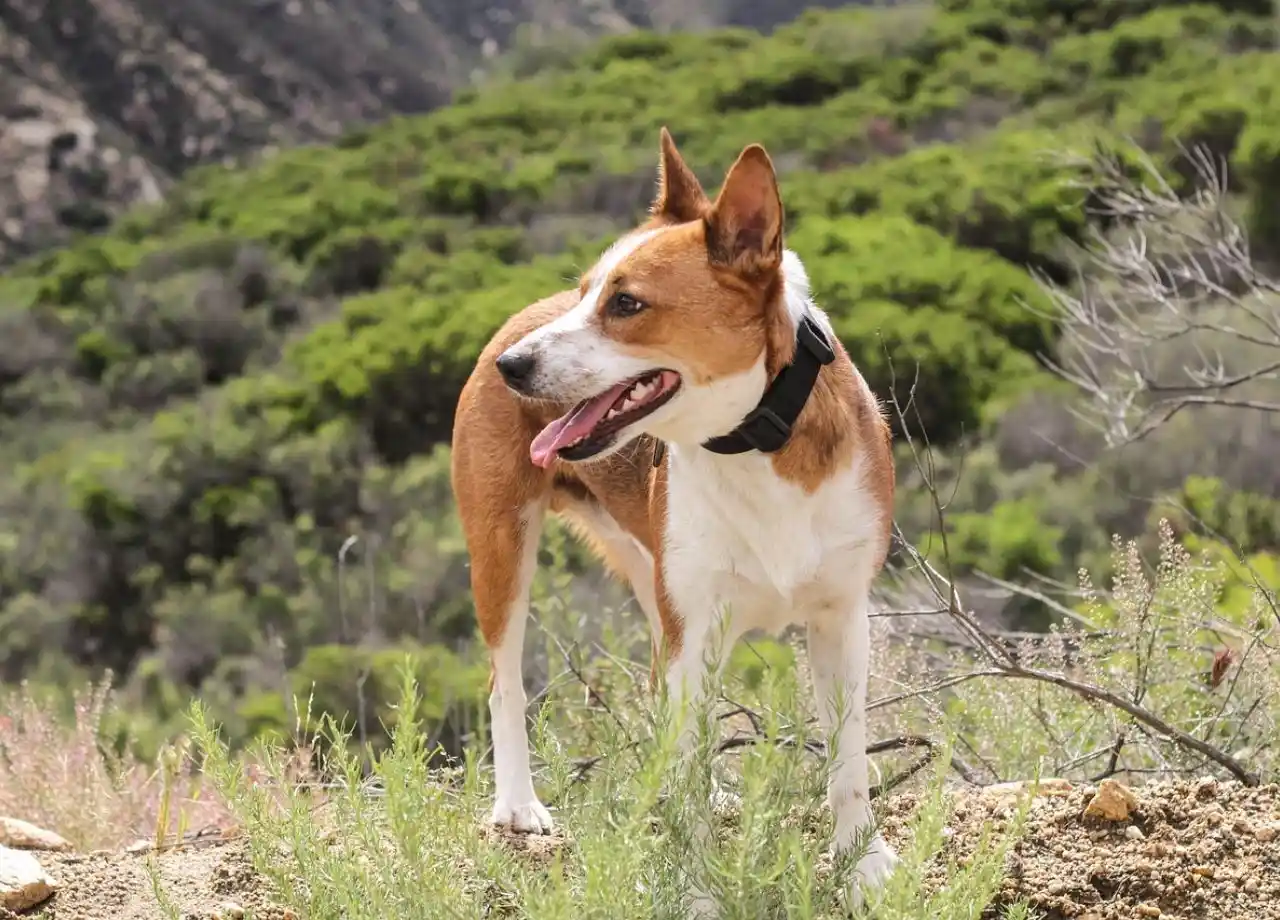
If you live around Warrenton or Bealeton, you already know one thing about dogs here: they are not meant to stay cooped up indoors all weekend. This part of Virginia practically invites outdoor life. Between the rolling countryside, wooded trails, streams, mountain overlooks, and wide-open parks, there are endless opportunities for dogs to do what they naturally love most: explore.
We see it all the time with the dogs in our care at Animal Friends’ Pampered Paws. After a day filled with outdoor activity, whether it is trail walking, swimming, structured play, or simply exploring new environments, dogs settle differently. They are calmer, more fulfilled, and mentally balanced in a way that goes far beyond basic exercise. A good hike is not just about burning energy. It gives dogs the chance to engage their instincts, experience new scents, navigate changing terrain, and spend uninterrupted time with their people.
The challenge is that not every hiking trail is truly dog-friendly in practice. Some trails become overcrowded and stressful. Others lack shade, access to water, or terrain that is safe for dogs over longer distances. And while social media makes every overlook look appealing, experienced dog owners know that the best hiking destinations are the ones where dogs can safely and comfortably enjoy the entire experience from start to finish.
Over the years, we have heard countless trail recommendations from local dog owners, outdoor enthusiasts, trainers, and staff members who spend their own weekends hiking throughout Northern Virginia. These are the trails that consistently stand out for accessibility, scenery, safety, and overall dog enjoyment.
Sky Meadows State Park Offers Some of the Best Variety for Dogs
Located near Delaplane, Sky Meadows State Park remains one of the most reliable hiking destinations for dog owners in our area. The park has a little bit of everything: open meadows, forest trails, gradual climbs, scenic overlooks, and enough trail options to customize your day based on your dog’s fitness level.
One of the reasons we like Sky Meadows for dogs is the flexibility. Younger, energetic dogs can handle longer loops that include elevation changes, while senior dogs or smaller breeds can still enjoy shorter scenic walks without overexertion. The trails are generally well-maintained, and there are multiple shaded sections that help during Virginia’s warmer months.
Dogs that enjoy sensory enrichment tend to love this park. Between wildlife scents, changing terrain, and creek crossings, there is a constant stream of stimulation without the chaos of heavily congested urban trails. We often remind owners that mental exercise can tire a dog out just as effectively as physical activity, and places like Sky Meadows provide both.
The Piedmont Overlook Trail is particularly popular for moderate hikes with rewarding views. If your dog enjoys steady movement rather than steep scrambling, this route usually hits the sweet spot. During fall, the scenery becomes especially impressive, though weekends can get busy. Early morning hikes are usually more comfortable for both dogs and owners.
Whitney State Forest Is a Hidden Gem for Quiet Walks
Lyme disease is caused by a bacterium transmitted through tick bites. Once infected, a dog may develop symptoms that range from subtle to severe depending on the individual immune response and how quickly treatment begins.
One of the most common early signs is shifting leg lameness. A dog may limp one day, seem better the next, then suddenly favor another leg later in the week. We also encourage owners to pay attention to changes in energy levels. Dogs that suddenly seem reluctant to hike, play, jump into the car, or participate in normal activities may be telling you something important.
Fever, swollen joints, decreased appetite, and lethargy can all accompany Lyme disease. In more serious cases, Lyme-related kidney complications can develop, particularly if the condition goes undiagnosed for an extended period. Kidney involvement can become life-threatening and requires immediate veterinary attention.
One of the misconceptions we hear fairly often is that removing a tick immediately guarantees safety. Prompt removal absolutely helps reduce risk, but it is not a perfect safeguard. Timing matters, but so does consistency with preventive care and monitoring.
Vaccination conversations are becoming increasingly common in our area because veterinarians are seeing more exposure cases than they did a decade ago. Every dog’s lifestyle is different, so there is no universal answer, but highly active outdoor dogs often benefit from a layered prevention approach that includes veterinary-approved preventives, regular grooming, routine tick checks, and discussions about Lyme vaccination with their veterinarian.Not every dog enjoys busy hiking destinations. Some become overstimulated around large crowds, bicycles, or constant trail traffic. For dogs like that, Whitney State Forest near Warrenton can be an excellent alternative.
This area feels quieter and more natural than some of the better-known parks nearby. The trails are less polished, which many dogs actually prefer because the environment feels more organic and scent-rich. Owners with reactive or nervous dogs often appreciate having more personal space while hiking.
The terrain here is relatively approachable, making it suitable for casual weekend outings. You will still want sturdy footwear and plenty of water, but the trails do not demand advanced hiking experience. Because portions of the forest are less trafficked, it is especially important to keep dogs leashed and maintain strong recall awareness.
One thing we encourage dog owners to remember is that quiet trails still require preparation. Tick prevention, hydration, and post-hike paw checks matter just as much on a calm woodland path as they do on a mountain trail. Virginia’s outdoor beauty comes with natural environmental considerations, especially during spring and summer.
Shenandoah National Park Is Worth the Drive for Experienced Hiking Dogs
For owners willing to drive a little farther from Bealeton or Warrenton, Shenandoah National Park remains one of the best dog-friendly hiking regions in Virginia. Unlike many national parks that severely restrict pets, Shenandoah allows dogs on most trails, which opens up an enormous range of possibilities for adventurous owners.
This is where active dogs truly shine. Long-distance hikers, athletic breeds, and dogs with strong endurance often thrive here because the terrain offers more challenge and variety. Trails can include rocky climbs, stream crossings, ridge views, and extended mileage.
Old Rag Mountain is the famous exception where dogs are not allowed on the ridge scramble, but there are still dozens of outstanding alternatives nearby. Dark Hollow Falls Trail is a favorite for scenic waterfall access, though owners should be mindful that the return climb can be strenuous in warm weather. Hawksbill Summit is another excellent option with panoramic views and manageable mileage.
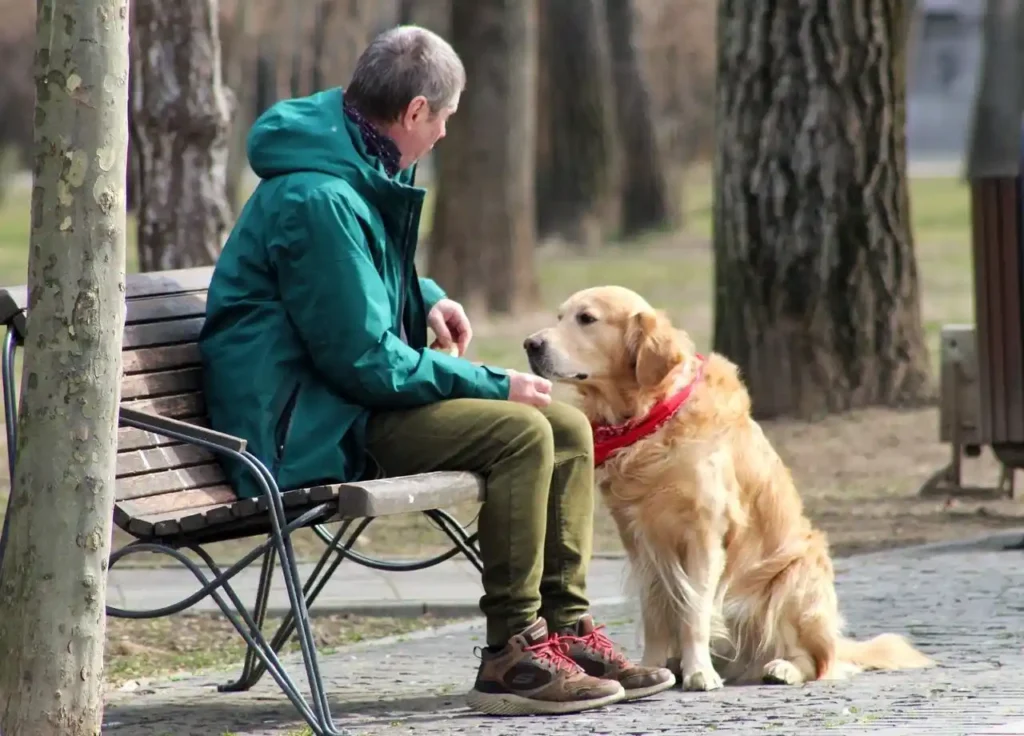
When hiking Shenandoah with dogs, preparation becomes more serious. Bring significantly more water than you think you need. Dogs can overheat quickly on mountain climbs, especially brachycephalic breeds or dogs with thick coats. Cooling breaks matter. Paw protection can matter too, particularly on rocky sections during hot afternoons.
This is also where conditioning becomes important. We occasionally see dogs during boarding stays that clearly jump into difficult hikes without adequate preparation at home. Just like people, dogs build stamina gradually. Shorter local hikes before tackling mountain routes can make a major difference in both safety and enjoyment.
The Warrenton Branch Greenway Is Perfect for Everyday Adventure
Not every hike needs to feel like an expedition. Sometimes the best outdoor routine is simply getting outside consistently. The Warrenton Branch Greenway is one of our favorite recommendations for owners who want accessible, low-stress exercise close to town.
The trail system offers a peaceful mix of wooded paths, streamside scenery, and manageable walking terrain. It is especially useful for puppies in training, senior dogs, or owners introducing dogs to trail experiences for the first time.
One advantage of easier greenway-style trails is the opportunity to reinforce leash manners and environmental confidence without overwhelming distractions. Dogs can encounter natural sounds, moving water, cyclists, joggers, and changing terrain in a more controlled setting. That kind of exposure can help build a more adaptable, well-socialized dog over time.
Consistency matters more than intensity for many dogs. A one-hour walk several times a week often contributes more to long-term physical and behavioral wellness than occasional extreme adventures. We see this regularly with daycare and boarding dogs that maintain balanced exercise routines at home.
Conway Robinson State Forest Gives Dogs Room to Explore Naturally
Conway Robinson State Forest near Gainesville has become increasingly popular among dog owners who appreciate natural woodland hiking without intense elevation changes. The trail network winds through forested terrain with a peaceful atmosphere that works well for exploratory dogs.
What stands out here is the pacing. The environment encourages slower hiking, sniffing, and decompression rather than power hiking. For many dogs, that style of walk is incredibly valuable. Sniffing activates large portions of a dog’s brain and creates meaningful mental engagement.
Owners sometimes underestimate how restorative slower outdoor experiences can be for dogs. High-energy exercise absolutely has value, but calm exploratory walks often produce calmer behavior afterward because the dog’s mental needs are being fulfilled too.
Conway Robinson is particularly beautiful during spring and early autumn. The wooded canopy provides reasonable shade coverage, and the trails generally remain approachable for a wide range of fitness levels.
Preparing Your Dog for Hiking Is Just as Important as Choosing the Trail
A great hiking destination only works if your dog is physically and mentally prepared for the experience. We encourage owners to think about hiking readiness the same way athletes think about training. Preparation creates safer and more enjoyable outings for everyone involved.
Hydration is one of the biggest issues we see underestimated. Dogs often continue hiking enthusiastically long after they should rest, especially highly driven breeds. Portable water bowls and frequent breaks should become routine habits.
Paw care matters more than many owners realize as well. Gravel, hot surfaces, rough rock, and extended mileage can all create irritation or injury. After hikes, check paws carefully for cuts, debris, cracked pads, or irritation between toes.
Trail etiquette is another important responsibility. Not every person or dog you encounter wants interaction. Keeping dogs leashed where required and maintaining reliable control protects both your dog and the broader hiking community.
Conditioning also deserves attention. Weekend warriors sometimes attempt difficult hikes after weeks of minimal activity, and dogs can struggle just as much as humans in those situations. Gradually increasing endurance helps avoid overheating, exhaustion, and soreness.
Hiking Strengthens the Bond Between Dogs and Their Owners
One of the reasons we love seeing local dog owners embrace hiking is because of what it creates beyond physical exercise. Shared outdoor experiences build trust, confidence, and communication between dogs and people in ways that structured routines often cannot.
Dogs experience the world primarily through movement, scent, and exploration. Hiking allows them to engage those instincts naturally while staying connected to their owners. That balance between freedom and partnership is incredibly rewarding for many dogs.
Some of the happiest dogs we care for are the ones whose owners regularly include them in meaningful outdoor activities. It does not have to be an all-day mountain trek every weekend. Even smaller adventures create enrichment, confidence, and stronger relationships over time.
Northern Virginia offers an incredible range of dog-friendly trails within easy reach of Warrenton and Bealeton. Whether your dog prefers a gentle woodland stroll or a challenging mountain climb, there is no shortage of opportunities to explore together. The key is choosing trails thoughtfully, respecting your dog’s limits, and making the experience enjoyable rather than exhausting.
At the end of the day, the best hiking trail is the one where both you and your dog return home happy, tired, and already looking forward to the next adventure.