
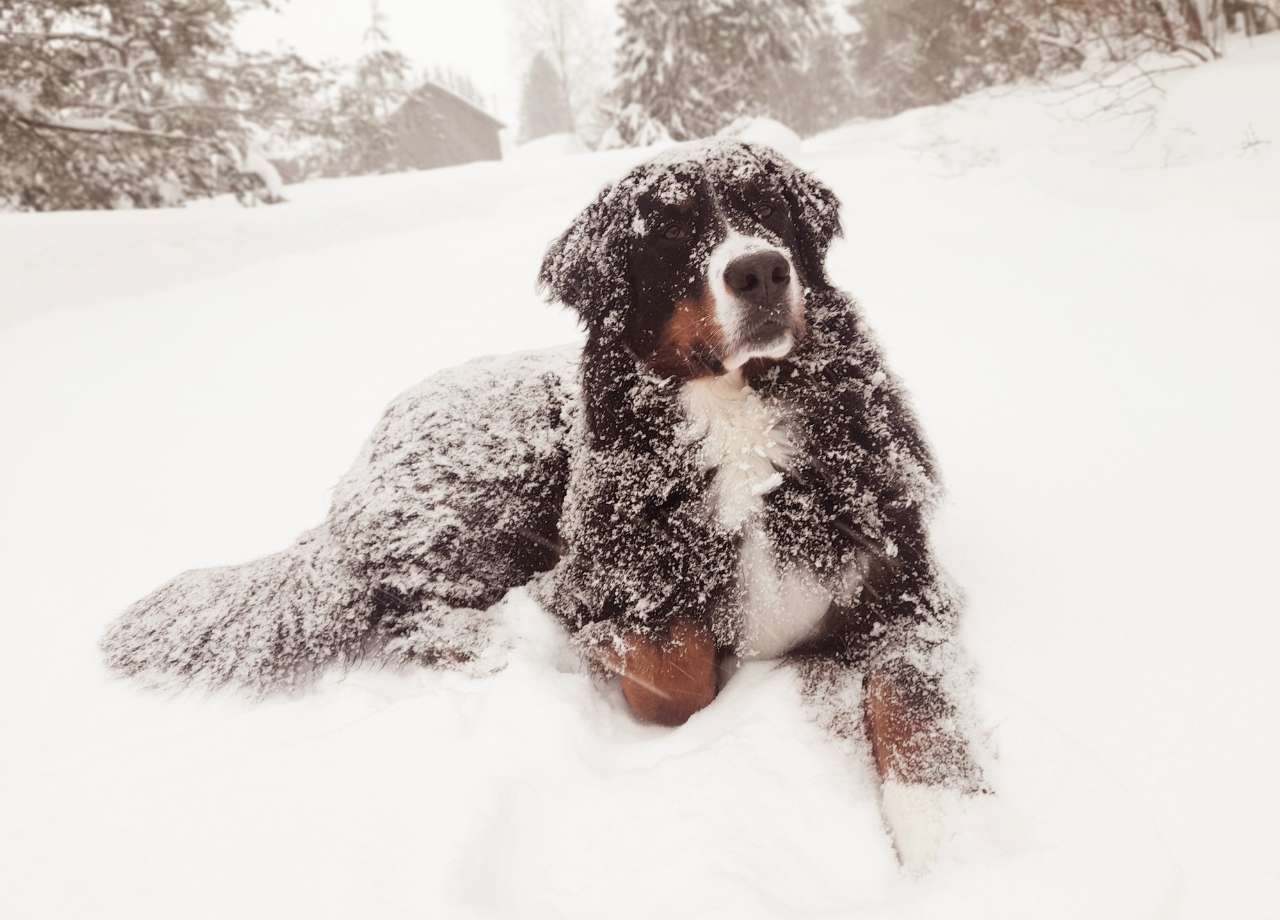
Winter in Virginia has a way of changing routines for both people and pets. The days become shorter, temperatures drop, and even the most enthusiastic outdoor dogs may find themselves spending more time indoors. While many pet owners naturally focus on keeping their dogs warm during the colder months, one equally important consideration is maintaining healthy activity levels throughout the season.
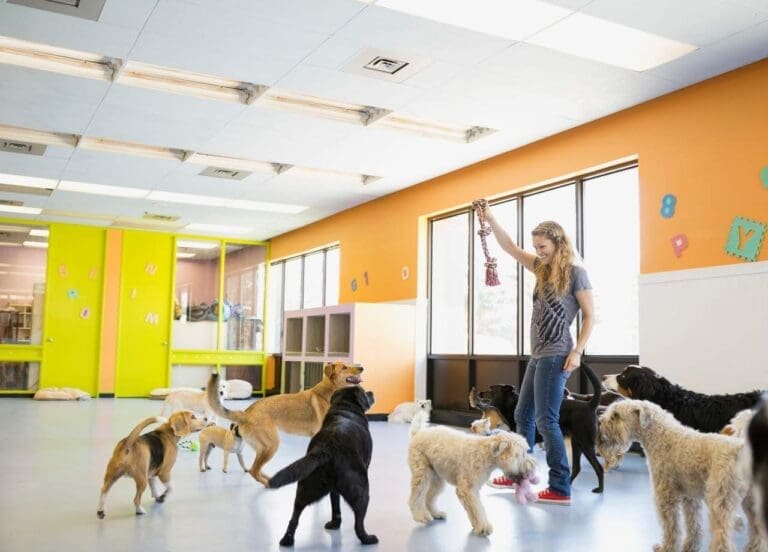
At Animal Friends’ Pampered Paws, we’ve spent years caring for dogs of all ages, breeds, and energy levels through every season Virginia has to offer. We see firsthand how colder weather can affect a dog’s physical fitness, mental stimulation, and overall happiness. During the winter months, many dogs benefit from structured opportunities to socialize, exercise, and stay engaged, whether that happens at home, on neighborhood walks, or through supervised daycare and play programs.
With a thoughtful approach, dogs can remain active, healthy, and mentally fulfilled throughout the coldest months of the year. Understanding your dog’s unique needs and adjusting activities to match seasonal conditions can make all the difference.
Why Winter Activity Matters for Dogs
Many dog owners assume that a temporary reduction in exercise during winter is harmless. While an occasional snow day indoors is perfectly fine, weeks or months of decreased activity can have noticeable consequences.
Dogs thrive on movement. Regular exercise helps maintain healthy body weight, supports joint function, strengthens muscles, and promotes cardiovascular health. Just as importantly, physical activity provides mental enrichment. A dog that receives adequate exercise is often calmer, more confident, and less likely to develop unwanted behaviors caused by boredom.
Winter can create challenges because opportunities for exercise often decrease naturally. Shorter daylight hours make evening walks more difficult. Ice, snow, rain, and cold temperatures can discourage outdoor adventures. Some owners may find themselves skipping walks altogether when weather conditions become uncomfortable.
The result is often a dog with excess energy and fewer healthy outlets. This can lead to increased barking, chewing, digging, restlessness, or other behaviors that signal unmet physical and mental needs.
Maintaining activity during winter helps prevent these issues while supporting overall wellness until spring arrives.
Understanding How Cold Weather Affects Different Dogs
Not every dog experiences winter the same way. Breed, age, size, coat type, and health status all influence how comfortably a dog handles cold temperatures.
Dogs with thick double coats often enjoy cooler weather. Breeds originally developed for colder climates may remain energetic and eager to spend time outdoors even when temperatures drop significantly.
On the other hand, short-haired breeds, smaller dogs, puppies, and senior dogs often become cold much more quickly. Dogs with arthritis or other joint conditions may also experience increased stiffness during colder weather.
Virginia’s winters can be particularly unpredictable. One week may bring mild temperatures and sunshine, while the next delivers freezing rain, strong winds, or snow. Because conditions vary so widely, activity plans should be adjusted based on the individual dog and the specific weather on any given day.
Observing your dog’s behavior is one of the best indicators of comfort. Shivering, lifting paws frequently, reluctance to walk, or seeking shelter may suggest it’s time to head indoors.
Making the Most of Outdoor Exercise During Winter
Outdoor activity remains one of the best ways to keep dogs physically fit throughout winter. The key is making adjustments that prioritize safety and comfort.
Many dogs actually enjoy winter walks when properly prepared. Cooler temperatures often reduce the risk of overheating, allowing some dogs to exercise comfortably for longer periods. Fresh air, new scents, and environmental stimulation continue to provide valuable enrichment regardless of season.
Timing can make a significant difference. Midday walks are often more comfortable than early morning or late evening outings when temperatures are at their lowest. Choosing routes with good sun exposure can also help create a more pleasant experience.
Protecting paws is another important consideration. Ice, snow, and de-icing products can irritate sensitive paw pads. After walks, it’s helpful to inspect paws for cracks, redness, or debris and gently wipe them clean before returning indoors.
Even when temperatures are too cold for extended adventures, several shorter walks throughout the day can provide meaningful exercise while reducing exposure to harsh conditions.
Mental Exercise Becomes Even More Important in Winter
Physical exercise is only one piece of the puzzle. Mental stimulation can be equally valuable, especially during periods when outdoor activity is limited.
Dogs are natural problem-solvers. Their brains are constantly processing scents, sounds, and experiences. When opportunities for exploration decrease during winter, mental enrichment can help fill the gap.
Food puzzles, treat-dispensing toys, scent games, and training exercises are excellent ways to challenge your dog’s mind. Teaching a new trick or practicing existing commands for a few minutes each day can provide surprisingly effective mental workouts.
Nose work activities are particularly beneficial. Hiding treats around the house and encouraging your dog to find them taps into natural instincts while creating an engaging indoor game.
Many owners underestimate how tiring mental exercise can be. A focused training session often leaves a dog just as satisfied as a lengthy walk because it requires concentration and problem-solving.
Indoor Activities That Burn Energy
When Virginia weather becomes especially unpleasant, indoor exercise can help prevent cabin fever for both dogs and owners.
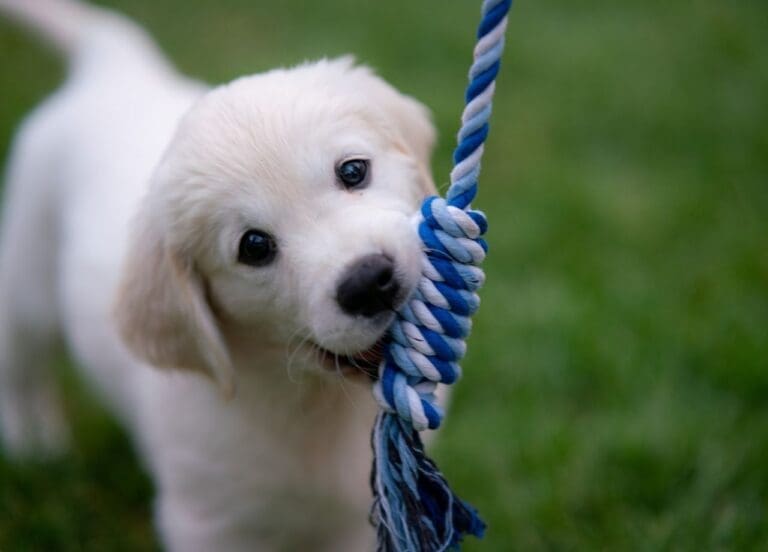
Hallway fetch, controlled games of tug, hide-and-seek, and obstacle courses created from household items can all provide meaningful physical activity. The goal is not necessarily to replicate a long hike but to keep dogs moving and engaged.
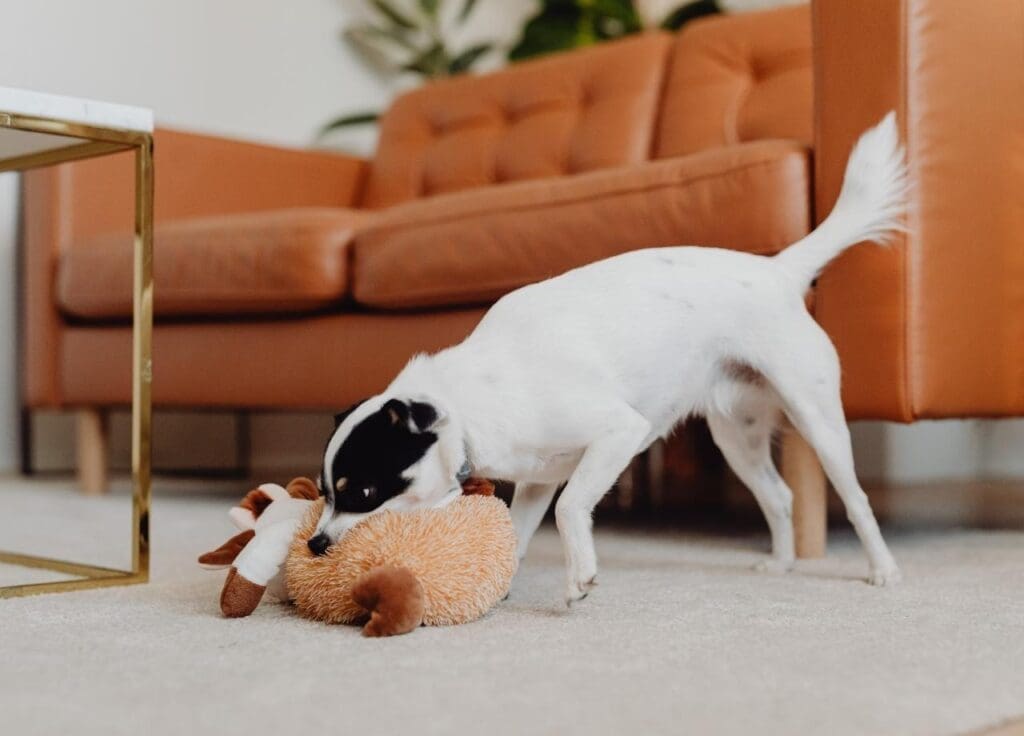
For energetic breeds, short bursts of activity throughout the day often work well. A ten-minute play session in the morning, another during lunch, and one more in the evening can accumulate significant exercise over time.
Stair climbing can also provide an effective workout for healthy adult dogs. However, this activity should be avoided for puppies with developing joints and dogs with mobility concerns unless approved by a veterinarian.
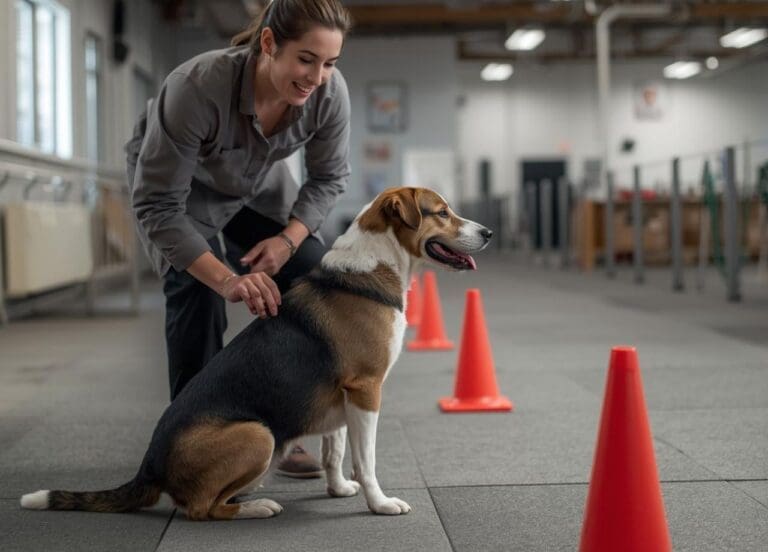
Indoor training sessions that incorporate movement, such as recall practice between family members or agility-style exercises, combine physical and mental stimulation into a single activity.
Recognizing the Signs of Winter Boredom
Dogs often communicate their needs through behavior. During winter, boredom and insufficient activity can appear in ways that owners may not immediately recognize.
Excessive chewing, increased barking, pacing, attention-seeking behavior, and destructive habits are common indicators that a dog needs additional stimulation. Some dogs may become unusually excitable, while others appear withdrawn or lethargic.
Changes in sleep patterns can also signal a lack of engagement. Dogs that spend most of the day inactive may struggle to settle at night or become restless throughout the evening.
Weight gain is another concern during colder months. Reduced exercise combined with unchanged feeding habits can gradually lead to unwanted pounds. Maintaining consistent activity helps support healthy weight management while preserving muscle tone.
Paying attention to these subtle changes allows owners to make adjustments before minor issues become larger behavioral challenges.
Socialization Should Not Stop in Winter
One of the most overlooked aspects of winter pet care is continued social interaction. Dogs are social animals, and regular exposure to other people, environments, and dogs contributes significantly to emotional well-being.
When poor weather limits neighborhood encounters, some dogs experience a noticeable reduction in social opportunities. This can be particularly important for puppies and younger dogs that are still developing confidence and social skills.
Structured play environments can help maintain socialization during colder months. Supervised interactions with compatible dogs provide both exercise and mental enrichment while allowing dogs to practice important social behaviors.
Even adult dogs benefit from maintaining social routines. Positive interactions help reduce boredom and create variety during a season that can otherwise feel repetitive.
Supporting Senior Dogs Through the Winter Months
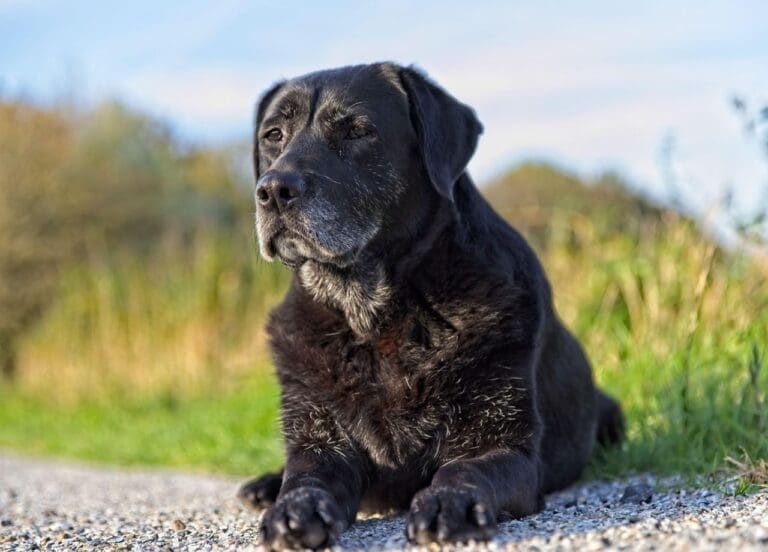
Older dogs often require additional attention during winter. Cold temperatures can aggravate arthritis and other age-related mobility issues, making regular movement even more important.
While senior dogs may not need intense exercise, they still benefit from consistent activity. Gentle walks, controlled play sessions, and low-impact movement help maintain flexibility and joint health.
Warm-up periods become especially valuable for older dogs. Allowing them to move gradually before engaging in more active exercise can help reduce discomfort and stiffness.
Indoor enrichment activities are often excellent options for seniors because they provide mental stimulation without placing excessive stress on aging joints. Puzzle toys, scent work, and gentle training exercises can keep older dogs engaged while respecting their physical limitations.
Careful observation is essential. If a senior dog appears uncomfortable, fatigued, or reluctant to participate in activities they previously enjoyed, consultation with a veterinarian may be appropriate.
Creating a Winter Routine Your Dog Can Count On
Dogs tend to thrive when they have predictable routines. Winter often disrupts established schedules due to changing weather conditions, holiday travel, and reduced daylight hours.
Creating a consistent winter routine helps maintain stability and ensures dogs continue receiving adequate exercise and enrichment. This does not mean every day must look identical, but maintaining regular periods for walks, play, training, and rest can be beneficial.
Flexibility is still important. Some days may be perfect for outdoor adventures, while others call for indoor games and mental challenges. The objective is not to follow a rigid plan but to ensure activity remains a daily priority regardless of weather.
When owners approach winter with creativity and consistency, dogs are far more likely to remain healthy, balanced, and happy throughout the season.
Keeping Dogs Active All Winter Long
Winter in Virginia presents unique challenges, but it also creates opportunities to strengthen the bond between dogs and their families. Staying active during colder months is about more than burning energy. It supports physical health, mental wellness, social development, and overall quality of life.
At Animal Friends’ Pampered Paws, we believe every season should be enjoyable for dogs. Whether activity comes from outdoor walks, indoor enrichment, social play, training sessions, or structured daycare experiences, maintaining engagement throughout winter helps dogs remain confident, healthy, and fulfilled.
With thoughtful planning and a willingness to adapt to changing weather conditions, pet owners can ensure their dogs continue to thrive long after the temperatures begin to drop. Winter may change how dogs stay active, but it should never stop them from enjoying active, enriching lives.