
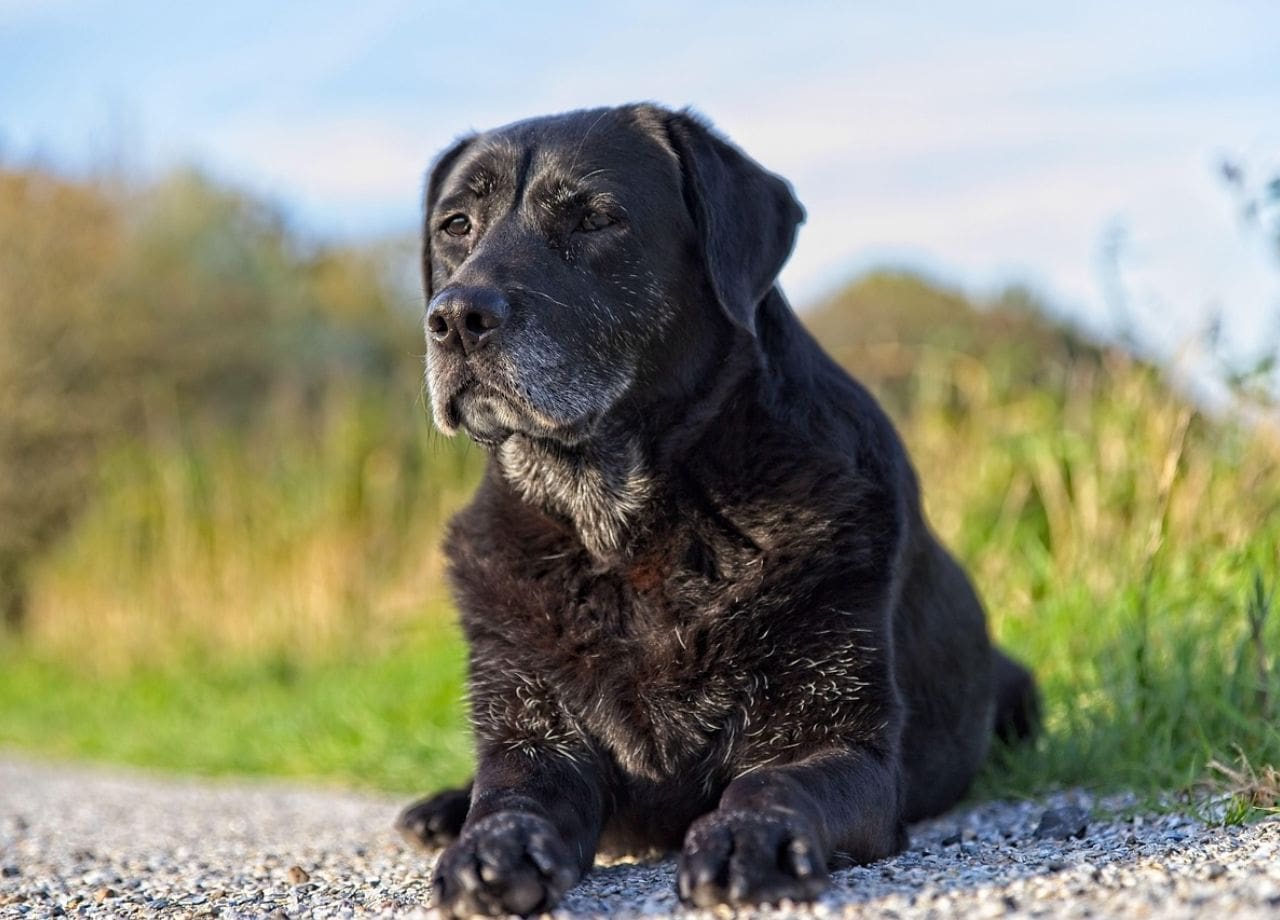
Summer can be surprisingly difficult for senior dogs. While younger dogs charge through long walks, backyard games, and weekend adventures, older dogs often begin to slow down once the heat and physical strain start building up. Many spend more time lying on cool floors, avoiding stairs, or hesitating before activities they once loved. We see this every year with aging dogs whose bodies still want movement and stimulation, but whose joints no longer tolerate traditional exercise the same way they used to.
At Animal Friends’ Pampered Paws, we have always believed senior dogs deserve opportunities to stay active without putting unnecessary stress on their bodies. That is one reason supervised swimming has become such an important outlet for many older dogs in our care. Water allows senior dogs to move freely, build strength, and stay engaged during the summer months without the repeated impact that can make walks and outdoor play uncomfortable.
Too many aging dogs end up having what we would call a “dry” summer, one where activity becomes increasingly limited because movement feels harder with age. The problem is that reduced exercise often leads to even more stiffness, muscle loss, and discomfort over time. Swimming offers a gentler alternative that supports mobility, encourages healthy movement, and helps many senior dogs enjoy summer instead of simply enduring it.
Why Joint Health Changes So Much in Senior Dogs
As dogs age, their bodies experience many of the same physical shifts humans do. Cartilage gradually wears down, inflammation becomes more common, and muscle mass starts to decrease. Even healthy senior dogs can develop stiffness after periods of rest. Larger breeds are especially vulnerable because years of carrying additional body weight place more stress on hips, knees, elbows, and the spine.
Arthritis is one of the most common concerns we see among older dogs. Sometimes the signs are obvious, like limping or difficulty standing. Other times they are subtle. A dog may stop jumping into the car, become slower during walks, avoid slippery floors, or seem less enthusiastic about playtime. Many owners mistake these changes for simple aging when discomfort is actually influencing behavior.
The challenge is that inactivity tends to make the problem worse. Dogs who move less often lose supporting muscle strength around their joints. Reduced activity can also contribute to weight gain, which places even more pressure on aging limbs. It becomes a difficult cycle. The dog hurts, so they move less. Because they move less, they become weaker and stiffer.
This is where swimming stands apart from many land-based exercises.
The Unique Benefits of Swimming for Aging Dogs
Water provides resistance without the harsh impact that comes from pavement, hard-packed trails, or repetitive running. When a dog swims, buoyancy supports much of their body weight. That relief allows joints to move through a fuller range of motion without carrying the same strain they would on land.
For senior dogs with arthritis or mobility issues, this can be transformative.
Swimming also engages multiple muscle groups at once. Dogs use their shoulders, hips, back, and core muscles to stay balanced and propel themselves through water. Unlike short bursts of activity that can strain aging joints, swimming encourages smooth, controlled movement. Over time, stronger muscles help stabilize vulnerable joints and support overall mobility.
Cardiovascular health matters too. Many senior dogs still need regular exercise for heart health and weight management, but intense activity during hot Virginia summers can quickly become dangerous. Swimming offers a safer way to stay active while naturally helping dogs regulate body temperature.
Mentally, swimming can provide enormous enrichment for older dogs. Senior dogs still crave stimulation and accomplishment. We have seen dogs who seemed withdrawn suddenly become alert and excited around water activities. Confidence often returns when movement becomes enjoyable again instead of painful.
Water Exercise Can Extend Quality of Life
One thing we strongly believe after years of caring for dogs is that mobility and happiness are closely connected. Dogs who can comfortably move through their environment tend to remain more engaged with their families and routines. They participate more. They explore more. They maintain independence longer.
That does not mean every senior dog should suddenly start intense swimming workouts. Thoughtful introduction matters. Controlled swim sessions with proper supervision can gradually improve endurance while respecting the dog’s physical limits.
In many cases, owners are surprised by how much energy their older dogs still have once discomfort is reduced. We often hear comments like, “He acts years younger after swimming,” or “She slept better than she has in months.” Those changes are not imaginary. Gentle exercise can improve circulation, reduce stiffness, and help release tension that accumulates in aging bodies.
The emotional impact matters too. Dogs notice when activities become difficult. Some become frustrated or anxious when they cannot keep up with family routines. Swimming gives many senior dogs a chance to remain active participants in summer fun rather than spectators.
Not Every Senior Dog Is Automatically Comfortable in Water
One misconception about canine swimming is that all dogs naturally love water. That simply is not true. Some dogs are cautious at first, especially seniors who have never had positive swim experiences. Others may physically benefit from swimming but need gradual confidence-building before they relax in the water.
Patience matters enormously.
A senior dog should never be forced into a pool or pushed beyond their comfort level. Positive reinforcement, calm introductions, and experienced supervision make all the difference. Some dogs begin by simply standing in shallow water before progressing to short swim sessions. Others take to it immediately.
Breed tendencies can also influence comfort levels. Retrievers and water dogs often adapt quickly, while some short-nosed breeds or dogs with dense body structures may fatigue more easily. Age-related conditions such as vision decline or hearing loss can also affect confidence around water.
That is why supervised swim environments are so important. Older dogs need careful monitoring for signs of exhaustion, overheating, or anxiety. The goal is controlled therapeutic movement, not high-energy overexertion.
Summer Heat Makes Low-Impact Exercise Even More Important
Virginia summers can be difficult on senior dogs. High temperatures increase fatigue and can worsen inflammation in dogs already struggling with joint discomfort. Hot pavement becomes risky for sensitive paws and prolonged outdoor walks can place excessive strain on aging bodies.
Unfortunately, many owners respond by drastically reducing activity altogether. While understandable, complete inactivity often accelerates physical decline.
Swimming creates a middle ground. Dogs can exercise while staying cooler and avoiding the repetitive impact associated with long walks or running. For overweight senior dogs especially, this can be one of the safest ways to begin rebuilding strength without overstressing vulnerable joints.
Hydration and temperature regulation still matter, of course. Swim sessions should always be supervised and balanced with rest periods. But compared to many traditional summer activities, water exercise is significantly gentler on aging dogs.
Muscle Preservation Matters More Than Most Owners Realize
One of the biggest hidden dangers for senior dogs is muscle loss. As dogs age and move less, they gradually lose the muscle mass that helps stabilize joints and support balance. Weak muscles increase fall risk and often contribute to worsening arthritis symptoms.
Swimming naturally encourages muscle engagement throughout the entire body. Unlike short leash walks where dogs may compensate for pain by shifting weight awkwardly, swimming promotes more balanced movement patterns. The resistance of water helps build strength gradually while minimizing impact.
Maintaining muscle tone becomes especially important for dogs recovering from orthopedic injuries or surgeries later in life. While every dog should follow veterinary guidance specific to their condition, controlled aquatic exercise is often recommended because of how effectively it combines strengthening with joint protection.
We have seen older dogs regain surprising levels of stability and endurance once they establish a consistent, low-impact exercise routine.
Senior Dogs Still Need Adventure
One of the saddest assumptions people make about older dogs is that their adventurous days are over. In reality, many senior dogs still want stimulation, novelty, and engagement with the world around them. Their bodies may need gentler activities, but their spirits often remain remarkably young.
Swimming can become part of that continued adventure.
For some dogs, it becomes the highlight of their week. The sensory experience of water, the interaction with handlers, the physical movement without discomfort, all of it contributes to emotional wellbeing as much as physical health.
At Animal Friends’ Pampered Paws, we have always believed senior dogs deserve experiences tailored to their changing needs rather than simply scaled-back versions of younger-dog activities. Aging gracefully does not mean giving up enrichment. It means adapting thoughtfully.
Signs Your Senior Dog Might Benefit From Swimming
Many owners wait until mobility problems become severe before exploring alternative exercise options. In reality, earlier intervention often provides the greatest benefit.
A senior dog may benefit from swimming if they show signs such as stiffness after resting, hesitation with stairs, slowing during walks, weight gain from reduced activity, or difficulty recovering after exercise. Dogs with arthritis diagnoses, hip dysplasia, or general age-related mobility decline are often excellent candidates for supervised water exercise.
Even active older dogs can benefit preventively. Maintaining muscle tone and cardiovascular health becomes increasingly valuable as dogs age. Swimming provides a way to support long-term mobility without excessive wear on joints.
Of course, not every medical condition is compatible with swimming. Certain heart conditions, respiratory issues, or skin concerns may require limitations. We always encourage owners to discuss new exercise routines with their veterinarian, especially for dogs with existing health conditions.
Helping Senior Dogs Enjoy a Fuller Summer
Aging changes dogs, but it does not erase their need for movement, play, and connection. Too often, senior dogs spend summer months sidelined because traditional exercise has become uncomfortable. Swimming offers another possibility, one built around support rather than strain.
When older dogs move comfortably, you often see a remarkable shift in their entire demeanor. They engage more readily. They rest more peacefully. They seem more like themselves again.
That is why we believe senior dogs deserve more than a dry summer spent watching life from the sidelines. With the right care, thoughtful exercise, and safe opportunities for movement, many older dogs can continue enjoying active, fulfilling summers well into their golden years.