
When families come to us feeling overwhelmed by their dog’s behavior, they are rarely looking for a quick trick or a trendy technique. They are looking for peace in their home. They want calm walks instead of chaos at the end of the leash. They want guests to come over without worry. They want a dog that listens, understands boundaries, and feels secure. As a team that has worked with dogs for more than two decades, we know that training is not about control. It is about communication, structure, and trust.
At Animal Friends’ Pampered Paws, training is part of the bigger picture of care. We see dogs in daycare, during boarding stays, in playgroups, and in structured training sessions. We watch how they think and move. We see what overstimulates them and what builds confidence. That perspective shapes how we approach every program, including our board and train options and our private lessons. Both can create meaningful, lasting change. The key is understanding which format truly fits your dog and your household.
Understanding What Board and Train Really Means
Board and train programs place your dog in a structured training environment for a set period of time. Instead of meeting once a week for an hour, your dog lives in a professional setting where training is integrated throughout the day. At our 14 acre property in Bealeton, dogs in board and train are not simply kenneled and drilled. They are immersed in consistent expectations, guided social exposure, and carefully timed learning sessions.
The biggest advantage of board and train is intensity and consistency. Dogs learn through repetition and timing. When a behavior is reinforced correctly every single time, progress accelerates. In a home environment, life gets busy. Kids run through the room. Phones ring. A correction might be inconsistent because someone feels tired or distracted. In a structured environment, expectations are clear and steady from morning to night.
Another powerful element is professional timing. The exact moment a dog makes a choice is when learning happens. Professional trainers develop sharp observation skills. We know when a dog is thinking about reacting and we intervene before the behavior escalates. That precision can make a significant difference, especially for dogs with leash reactivity, resource guarding tendencies, or impulse control struggles.
However, board and train is not magic. The transformation does not end when the dog goes home. Owners must still learn the language and structure that the dog has been taught. A good board and train program includes owner education because without it, the dog returns to the same patterns that originally created the issues. We consider the handoff process just as important as the training itself.
When Board and Train Is the Right Fit
Board and train is particularly effective for certain types of dogs and certain household dynamics. High energy adolescents who have already practiced unwanted behaviors for months often benefit from an immersive reset. Dogs that struggle with consistent structure at home can gain clarity in a controlled environment before returning to their families.
Busy households sometimes find board and train to be a practical solution. Not because they do not care, but because they care deeply and recognize they need help creating momentum. If work schedules, travel, or family obligations make it difficult to attend weekly sessions and practice daily, board and train can establish a strong foundation that owners then maintain.
Dogs with more complex behavior concerns may also benefit. Reactivity, strong pulling, boundary testing, and overstimulation in social settings often improve faster when handled intensively at the start. In our experience, these dogs need clarity more than anything. They need calm, fair leadership and consistent consequences that remove confusion.
That said, we are cautious about recommending board and train for every situation. Some dogs struggle with separation anxiety to a degree that makes extended stays emotionally difficult. In those cases, a gradual approach with private lessons and confidence building exercises may be more appropriate before considering an immersive program.
The Value of Private Lessons and Owner Involvement
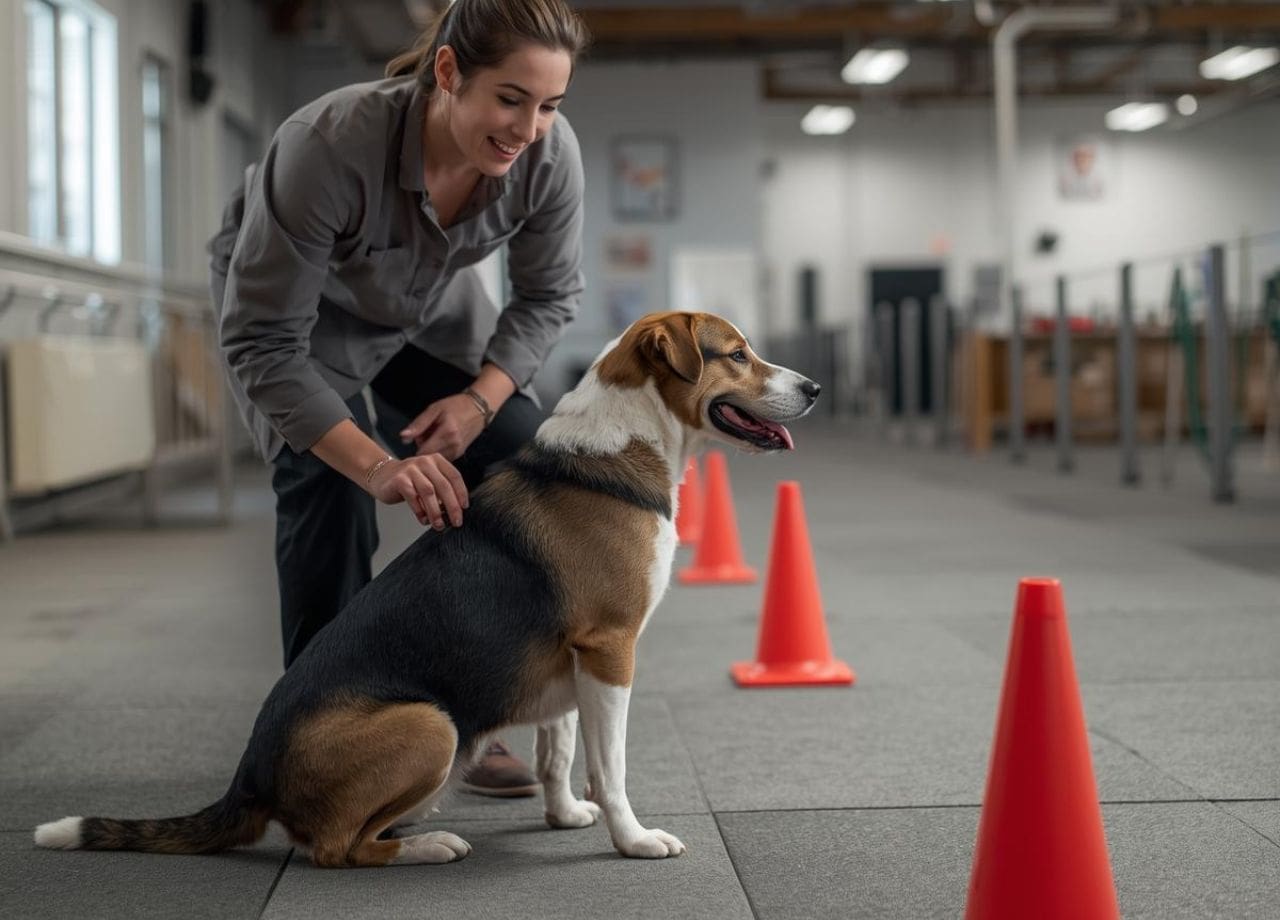
Private lessons are deeply personal. They take place with the dog and the owner learning together in real time. We step into the home environment or work directly with the family on our property so that training reflects daily life. The benefit here is immediate translation. The dog is not learning in one context and then expected to transfer that knowledge somewhere else. The learning happens where it matters.
Private lessons empower owners. Many behavior issues stem from misunderstandings about canine communication. A dog that is labeled stubborn may actually be confused. A dog that is called dominant may simply be overstimulated and lacking impulse control. In one on one sessions, we teach families how to read body language, how to time corrections and rewards, and how to establish structure without harshness.
Another strength of private lessons is flexibility. We can focus on specific goals. Loose leash walking in a busy neighborhood. Calm greetings when guests arrive. Reliable recall on hiking trails. Because sessions are scheduled over time, we adjust based on progress and challenges that arise between appointments.
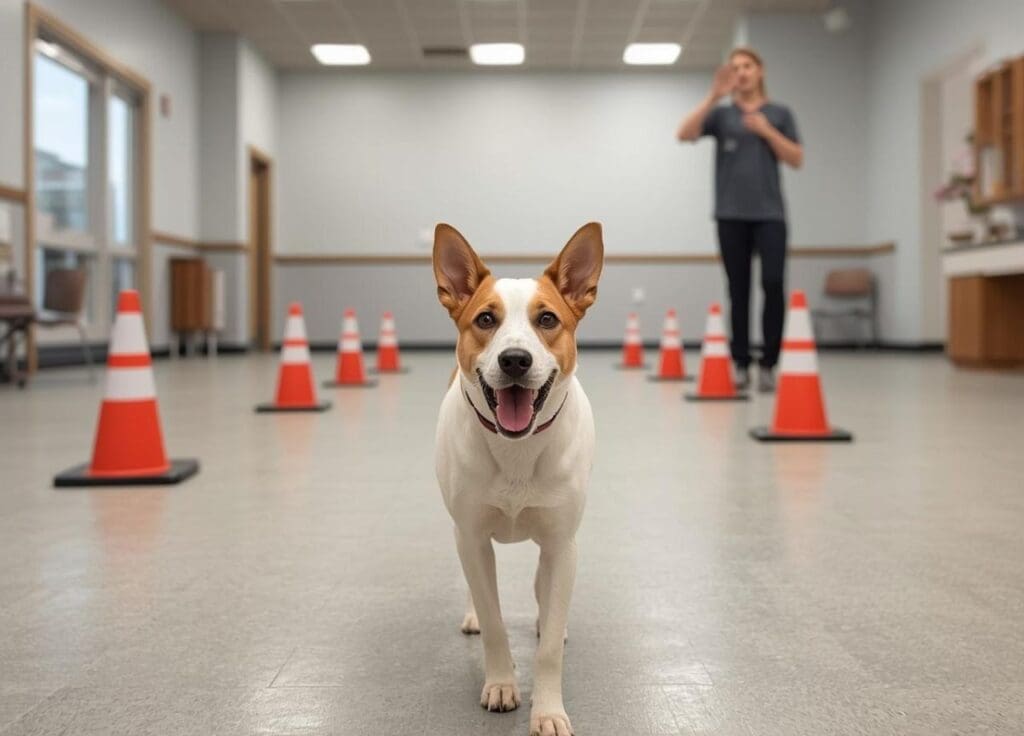
For owners who enjoy being hands on and actively involved in shaping their dog’s behavior, private lessons often feel rewarding. The growth is shared. The bond deepens because communication becomes clearer. Training shifts from a task to a relationship.
Situations Where Private Lessons Shine
Puppies are often excellent candidates for private lessons. Early socialization, house manners, and foundational obedience are most effective when owners participate from day one. Young dogs are still forming habits. With consistent guidance at home, progress can be steady and natural.
Mild to moderate behavior issues also respond well to this format. Occasional jumping, pulling on walks, inconsistent recall, and basic boundary testing can be corrected when owners commit to daily practice. In these cases, the issue is rarely severe. It is more about consistency and clarity.
Private lessons are also ideal for families who want to understand the why behind the method. We do not believe in mystery training. We explain our reasoning. We discuss learning theory in practical terms. We break down how dogs process information and why structure reduces anxiety. For many families, that education is as valuable as the obedience skills themselves.
Comparing Long Term Outcomes
The truth is that both board and train and private lessons can produce excellent long term results when chosen appropriately and supported consistently. The deciding factor is rarely the format alone. It is the commitment that follows.
Board and train often produces faster visible change at the beginning. Dogs return home with clearer boundaries and more polished behaviors. But if the household does not maintain those standards, regression can occur. Training is not a one time event. It is a lifestyle adjustment.
Private lessons may take longer to show dramatic improvement because owners are learning alongside their dogs. There is trial and error. There are days when consistency slips. But when families stay engaged, the outcome can be deeply sustainable because the learning happened together from the start.
We have seen dogs thrive in both paths. We have also seen dogs struggle when the chosen method did not match the household’s capacity. Honest evaluation is essential. A thoughtful conversation about goals, schedule, and temperament usually reveals the best direction.
Considering Your Dog’s Temperament and Your Household
Every dog is an individual. Some are resilient and adaptable. Others are sensitive and require gradual exposure to new environments. Some households run on structured routines. Others are wonderfully busy and unpredictable.
When we assess a dog, we look at energy level, confidence, social behavior, stress signals, and previous training history. We also talk extensively with the family. What does a typical day look like. How much time can realistically be devoted to practice. What situations create the most frustration.
Our role is not to sell a program. It is to guide families toward the approach that will serve them best. Sometimes that means recommending board and train for a strong reset. Sometimes it means starting with private lessons and reassessing after a few weeks. Occasionally it means blending approaches, such as a shorter immersive stay followed by structured follow up sessions.
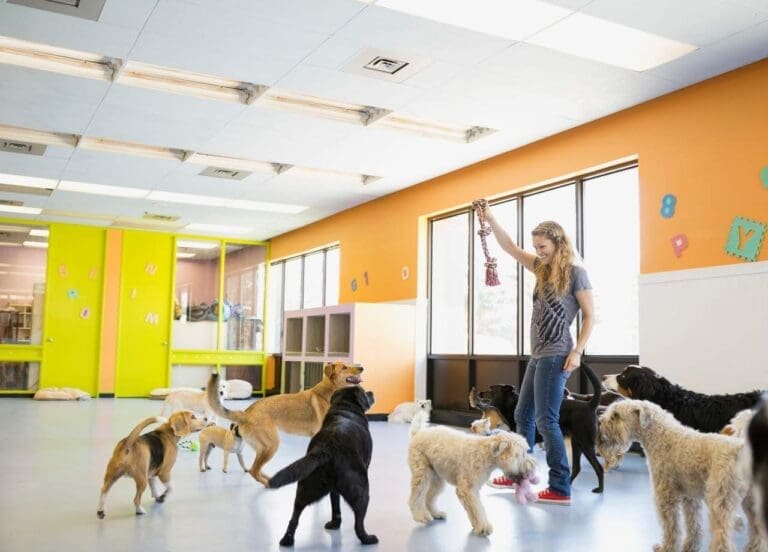
Because we also offer boarding and daycare, we often see dogs outside formal training sessions. That broader exposure gives us insight into how they generalize behavior in social settings. It helps us design training plans that fit the whole dog, not just the obedience checklist.
Training Is an Investment in Quality of Life
Whether a family chooses board and train or private lessons, the deeper goal is the same. A well trained dog experiences more freedom. They can join family outings, greet visitors confidently, and navigate the world with less stress. Owners feel calmer. Relationships improve. The household dynamic shifts from reactive to intentional.
We believe training should be fair, structured, and rooted in respect for the dog’s nature. It is not about dominance. It is about leadership and clarity. Dogs thrive when expectations are consistent and communication is precise.
If you are weighing board and train versus private lessons, take time to reflect on your dog’s temperament and your own capacity for daily follow through. Have an honest conversation with a professional who takes the time to understand your situation. The right program should feel supportive, not overwhelming.
At the end of the day, the best training path is the one that strengthens the bond between you and your dog. When communication improves, everything else follows.