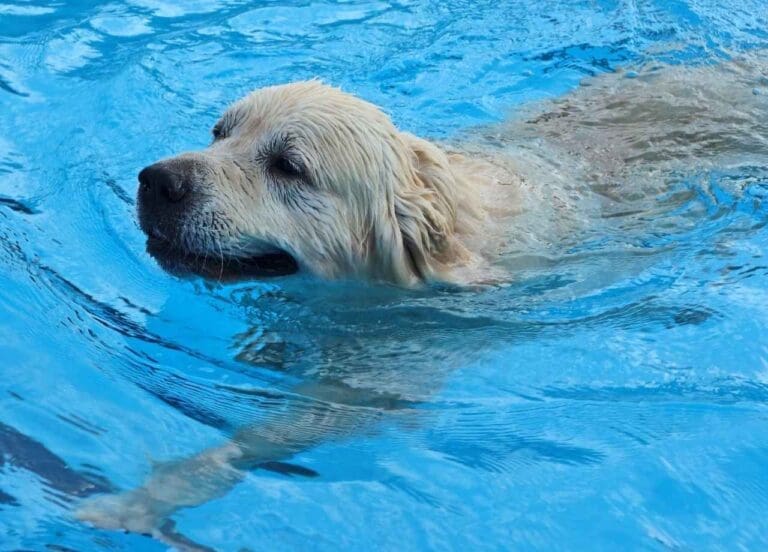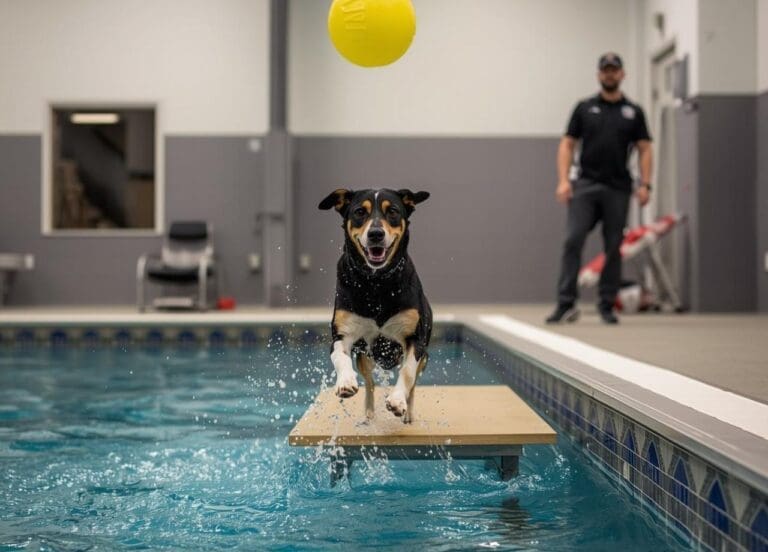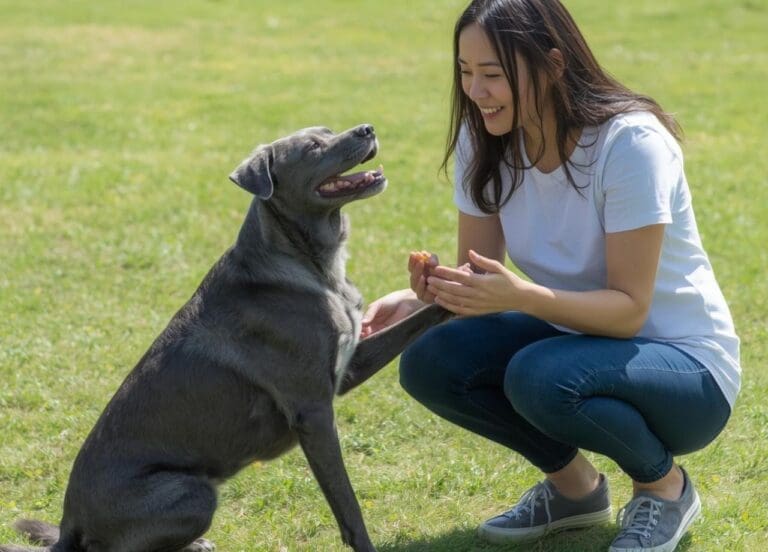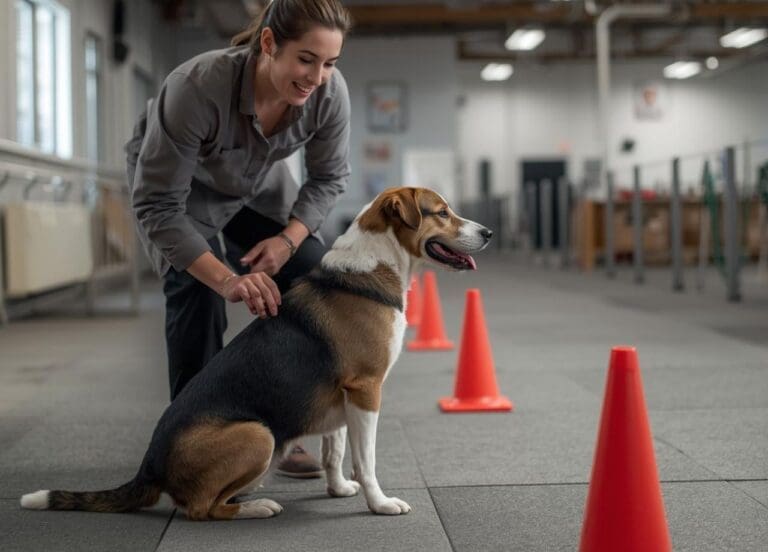


There is something unforgettable about watching a dog launch off a dock with complete confidence. The moment their paws leave the platform, ears flying back and eyes locked on the toy ahead, you can almost feel how much joy they are experiencing. At Animal Friends’ Pampered Paws, we see that same excitement every summer when dogs discover the water for the first time or build enough confidence to leap farther than their owners ever expected.
Dock diving is one of the fastest-growing dog sports in the country, and for good reason. It combines athleticism, trust, instinct, and pure fun into a sport that welcomes both seasoned competitors and everyday family pets. In Virginia, especially during the warmer months, it has become an incredible outlet for energetic dogs that need more than a quick walk around the neighborhood. Many dogs that spend time in our swimming and enrichment programs naturally show the same enthusiasm and drive that makes dock diving such a rewarding activity.
The best part is that dock diving is not reserved for elite sporting dogs. While some breeds tend to dominate competitions, plenty of mixed breeds and first-time swimmers thrive once they understand the game. The key is building confidence, introducing water properly, and letting the dog enjoy the experience rather than forcing performance.
What Makes a Dog Great at Dock Diving?
People often assume that dock diving is all about speed or raw athletic ability, but the truth is more nuanced than that. The dogs that consistently excel are usually the ones with strong toy drive, comfort around water, and enough body awareness to launch confidently from the dock.
A dog that loves retrieving naturally has a head start. Dock diving revolves around chasing a toy thrown into the water, so dogs that are obsessed with tennis balls, bumpers, or floating toys often take to the sport quickly. Confidence also matters more than size. Some large breeds hesitate at the edge of the dock, while smaller dogs launch fearlessly.
Conditioning plays an important role too. Swimming is excellent low-impact exercise, but repeated jumping still requires strong muscles and healthy joints. Proper warmups, controlled practice sessions, and rest days help dogs stay safe and enthusiastic about the sport long term.
At our facility, we often notice that dogs who regularly participate in structured play, swimming, and daycare activities tend to adapt more smoothly to dock environments because they are already accustomed to stimulation, movement, and learning through positive experiences.
Labrador Retrievers Continue to Dominate the Sport
Why Labs Are Built for Dock Diving
It is almost impossible to talk about dock diving without mentioning the Labrador Retriever. Labs were practically designed for water sports. Their strong swimming ability, muscular build, dense coat, and natural retrieving instincts make them standout competitors from the very beginning.
What truly separates Labs from many other breeds is their mindset. Most Labrador Retrievers genuinely love working with people. They become intensely focused on retrieving tasks, which translates beautifully into dock diving. Once they understand the game, they attack the dock with enthusiasm and consistency.
Another advantage is their adaptability. Some dogs need extensive encouragement before they jump into water, but many Labs willingly dive in after only a few introductions. They also tend to recover quickly between jumps and maintain their excitement throughout training sessions.
Training Considerations for Labs
Because Labs are so eager, owners sometimes overtrain them early on. Young dogs especially need time to develop physically before repetitive jumping becomes routine. Focus first on swimming confidence, toy drive, and controlled launches instead of chasing distance records immediately.
Many successful dock-diving Labs start by simply learning that water equals fun. Once that foundation exists, the athletic side develops naturally.
Belgian Malinois Bring Explosive Athleticism
High Drive Meets Precision
Belgian Malinois have become increasingly popular in canine sports across the board, and dock diving is no exception. Their explosive energy, remarkable focus, and physical coordination allow them to generate tremendous power off the dock.
Unlike some retriever breeds that approach the sport with loose, playful enthusiasm, Malinois often attack it with intensity and precision. They are incredibly responsive to training and can refine their launch mechanics quickly with proper handling.
That said, these dogs are not ideal for casual or inconsistent training routines. Their intelligence and energy levels demand structure. A bored Malinois will invent its own entertainment, which is rarely what the owner had in mind.
Why Mental Stimulation Matters
Dock diving works particularly well for Malinois because it combines physical exercise with a clear task and reward system. The sport gives them purpose. For active Virginia dog owners who already enjoy hiking, agility, or advanced obedience work, dock diving can become another excellent outlet.
Owners should prioritize controlled excitement. Malinois often become overstimulated if every session is treated like maximum-intensity competition. Balancing high-energy work with calm recovery helps preserve confidence and long-term enjoyment.
Chesapeake Bay Retrievers Thrive in Challenging Water Conditions
A Natural Water Dog With Serious Power
Chesapeake Bay Retrievers were developed for demanding water retrieval work, and it shows immediately when they enter the dock-diving world. These dogs are powerful swimmers with incredible endurance and determination.
Compared to Labs, Chessies often display a more independent personality, but their drive in the water is undeniable. They are especially impressive in outdoor environments where weather, distractions, or colder temperatures might unsettle less experienced dogs.
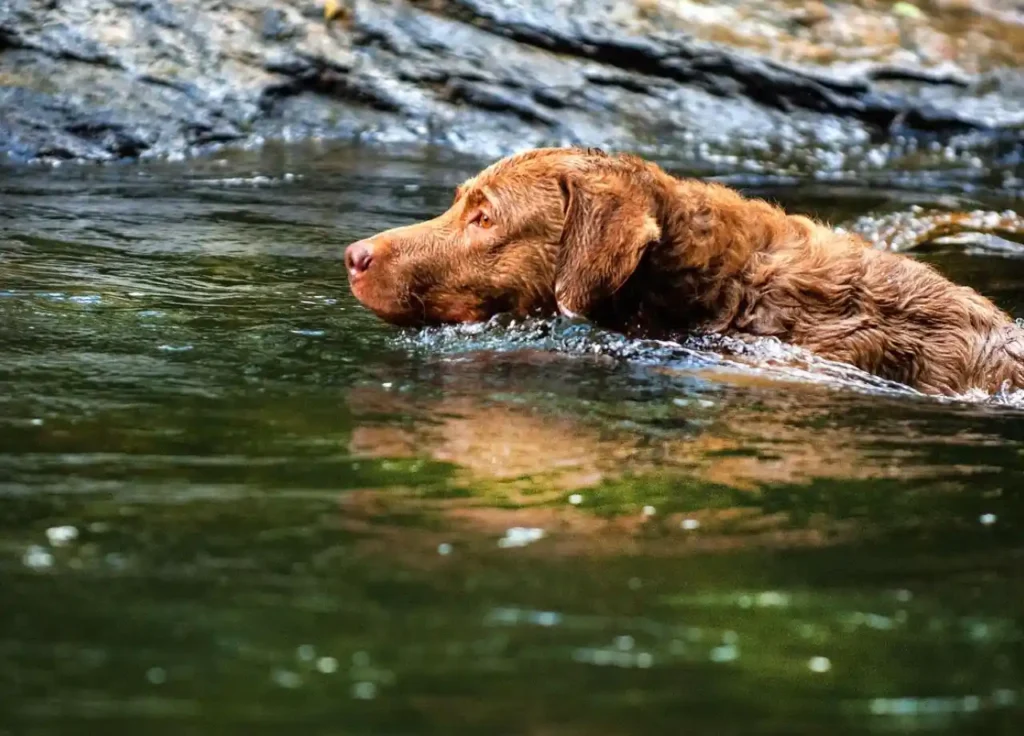
Their dense, water-resistant coats and muscular frames help them maintain strength and stability during repeated jumps. Once they build confidence with the dock itself, many Chesapeake Bay Retrievers become highly reliable competitors.
How to Safely Let Your Dog Swim in a Chlorine Pool
One thing we always emphasize with Chessies is relationship-based training. These dogs respond best when they trust the handler completely. Harsh corrections or rushed introductions can create hesitation around the dock environment.
Positive reinforcement, short sessions, and patience produce much better results. Many Chesapeake owners discover that once the dog understands the game, their consistency becomes a huge advantage in competition settings.
Border Collies Surprise People With Their Dock Skills
Precision and Speed Create Big Results
Border Collies are not traditionally associated with water sports in the same way retrievers are, but experienced dock-diving communities know just how talented these dogs can be.
What Border Collies may lack in raw size, they often compensate for with timing, coordination, and acceleration. Their ability to focus intensely on a target allows them to generate impressive distance despite their leaner build.
These dogs also learn quickly. If the handler develops strong toy motivation and introduces the water properly, many Border Collies become enthusiastic jumpers within a short period of time.
Avoiding Burnout in Highly Intelligent Dogs
The challenge with Border Collies is maintaining balance. Their intelligence can become both a strength and a weakness. Repetitive training without variety sometimes creates frustration or stress behaviors.
Successful handlers often mix dock diving with other enrichment activities such as agility, scent work, or structured play sessions. Mental stimulation is just as important as physical exercise for this breed.
At our facility, we often encourage owners of highly intelligent working breeds to rotate activities regularly so the dog stays mentally fresh and emotionally engaged.
Whippets and Other Sighthounds Can Be Hidden Gems
Speed Changes Everything
Many people are shocked the first time they see a Whippet launch off a dock. Their acceleration is extraordinary, and when combined with strong toy motivation, they can produce surprisingly long jumps.
Sighthounds are not always natural swimmers, so early water confidence matters tremendously. But once they become comfortable, their lean bodies and explosive running style make them exciting dock-diving participants.
Whippets in particular often excel because they combine speed with a manageable size and athletic flexibility.
Confidence Comes Before Competition
With sighthounds, patience is critical. These breeds are typically more sensitive than retrievers and may hesitate if they feel pressured. Positive introductions, shallow-water play, and gradual dock exposure create far better long-term outcomes than forcing a jump too early.
Many owners make the mistake of focusing immediately on distance. For Whippets and similar breeds, emotional confidence usually determines success more than physical capability.
How to Get Started With Dock Diving in Virginia
Virginia has become an excellent place for dog owners interested in water sports. Between organized competitions, training clubs, canine aquatic centers, and private facilities offering swim sessions, newcomers have more opportunities than ever before.
The first step is determining whether your dog genuinely enjoys water. Some dogs naturally gravitate toward swimming, while others need gradual encouragement. Never throw a dog into water to “teach” them. Positive exposure creates confidence. Forced exposure creates fear.
Start with shallow-entry swimming areas whenever possible. Allow the dog to explore at their own pace. Use floating toys and enthusiastic praise to build excitement around the water itself before introducing any jumping.
Once the dog is comfortable swimming, begin working near low platforms or docks. Initially, the goal is not distance. The goal is enthusiasm and safe movement. Short retrieves close to the edge help dogs understand the concept without overwhelming them.
Conditioning also matters more than many beginners realize. Core strength, rear-end awareness, and cardiovascular fitness all contribute to safer launches and landings. Regular swimming is one of the best ways to build that conditioning gradually.
For Virginia owners specifically, summer training conditions can become hot and humid quickly. Always prioritize hydration and avoid repetitive jumping during peak afternoon temperatures. Water sports are physically demanding even for athletic dogs.
Dock Diving Should Stay Fun
One of the reasons we love seeing dogs discover dock diving is because it taps into something natural and joyful. Dogs are not thinking about rankings or titles when they sprint toward the water. They are chasing excitement, trust, and connection with their people.
The most successful dock-diving dogs are usually the ones having the most fun. Confidence grows faster when training feels like play instead of pressure. Whether your dog becomes a competitive jumper or simply enjoys splashing into the pool on a summer afternoon, the experience itself strengthens the relationship between dog and owner.
At Animal Friends’ Pampered Paws, we firmly believe that activities like swimming and dock-style play offer dogs more than just exercise. They provide enrichment, confidence-building, mental stimulation, and an outlet for natural instincts that many dogs rarely get to express fully in everyday suburban life.
And sometimes, all it takes is one leap off the dock for a dog to discover their favorite thing in the world.