
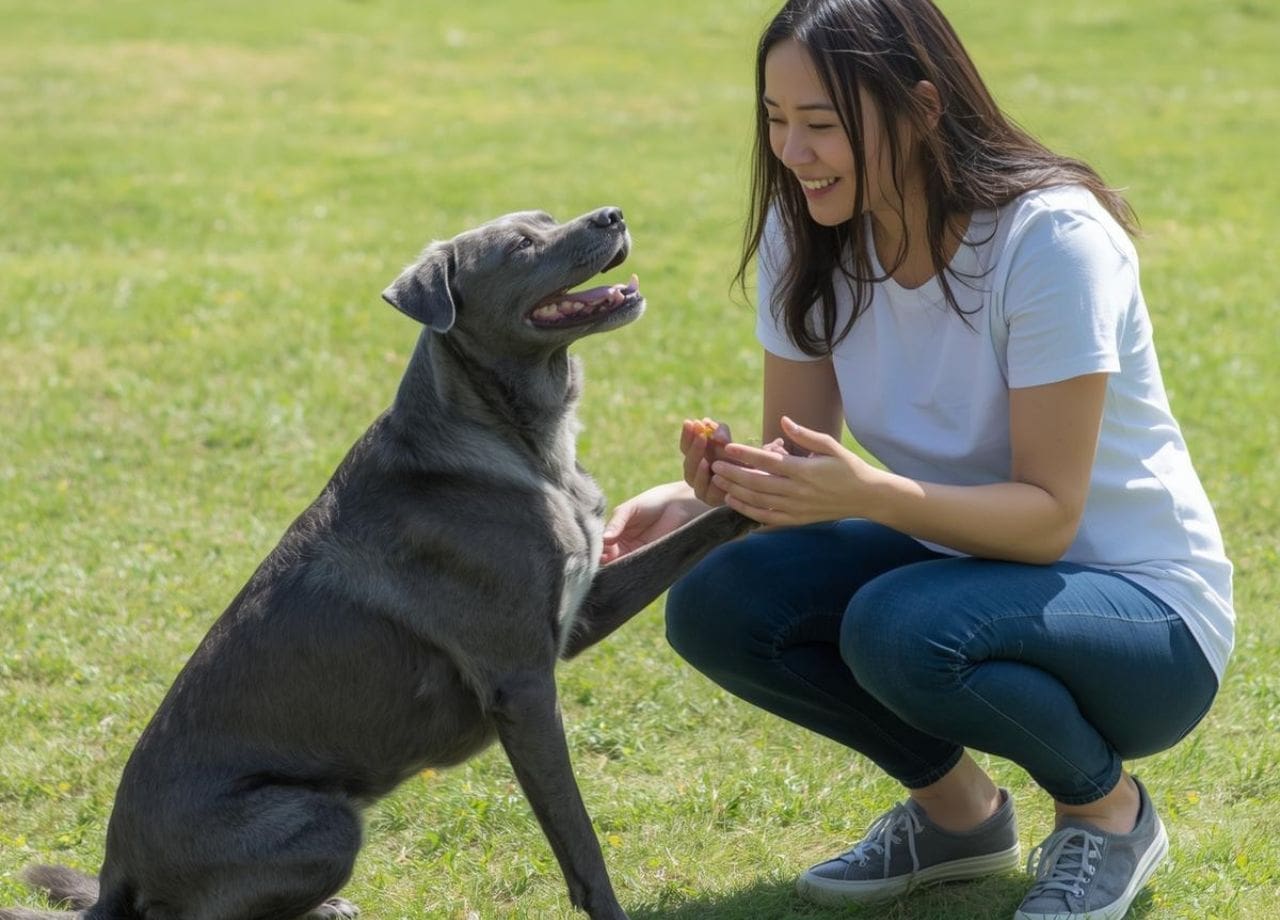
When people ask us, “How old is too old to train a dog?” we can hear the hesitation underneath the question. It usually comes from a place of love mixed with worry. They are afraid they waited too long, that they missed some invisible window, or that their dog’s age has somehow closed the door on learning. After more than two decades of working hands-on with dogs of every age, background, and temperament, we can say this clearly and confidently. There is no age limit on learning. There is only a need for the right approach, realistic expectations, and a genuine respect for the dog in front of you.
At Animal Friends’ Pampered Paws, we work with puppies just discovering the world and seniors who have lived a full life before stepping into a structured learning environment. Training is woven into everything we do, from daily routines to structured programs, and we see firsthand how dogs continue to learn, adapt, and thrive well into their later years. Age does not stop learning. Mismatch does. When training methods fail older dogs, it is usually because the approach does not honor where that dog is physically, mentally, or emotionally.
The Myth of the “Training Window”
One of the most persistent ideas in dog ownership is that if training does not happen early, it cannot happen at all. This belief is understandable because early socialization matters, but it is incomplete. Puppies have a sensitive developmental window where certain experiences are easier to absorb, but that does not mean learning stops when that window closes. Dogs are lifelong learners. Their brains remain capable of forming new associations and habits throughout their lives.
What does change with age is not the ability to learn, but the pace and context of learning. A six month old puppy absorbs information like a sponge because everything is new. A six year old dog brings a history with them. That history may include habits, routines, or even misunderstandings that need to be gently reshaped. That is not a limitation. It is simply a different starting point.
We often see adult dogs labeled as stubborn or set in their ways. In reality, they are consistent. They have learned what has worked for them so far. Good training does not fight that consistency. It redirects it.
Puppies, Adolescents, and Adult Dogs Learn Differently
Age matters in training, but not in the way most people think. Puppies learn quickly, but they also forget quickly. Their attention spans are short, their bodies are still developing, and their impulse control is minimal. Training a puppy is about laying foundations, not perfection.
Adolescent dogs, often between six months and two years, can be some of the most challenging students. They are physically capable, mentally curious, and emotionally inconsistent. Many owners feel discouraged during this phase and mistakenly believe their dog is untrainable. In truth, this is when consistency and structure matter most.
Adult dogs, especially those past two or three years old, often have better focus and emotional regulation. They may take a little longer to change established habits, but once they understand what is being asked, they are remarkably reliable. We regularly see adult dogs outperform younger ones in structured training environments because they are calmer, more attentive, and less impulsive.
Senior Dogs and the Power of Purpose
Senior dogs deserve special mention because they are often the ones people worry about the most. We have heard every version of the question. “Isn’t my dog too old for this?” “Won’t training be stressful for them?” “Shouldn’t they just rest now?”

What we see instead is that training often gives senior dogs a renewed sense of purpose. Mental engagement is just as important as physical comfort as dogs age. Learning new cues, practicing gentle routines, or even refining existing skills keeps their minds active and their confidence strong.
Training a senior dog does require adjustments. Sessions may be shorter. Physical limitations must be respected. Patience becomes even more important. But the emotional payoff can be profound. We have watched older dogs light up when they realize they are still capable, still understood, and still part of a shared conversation with their people.
When Age Is Not the Real Issue
In our experience, age is rarely the real barrier to training. More often, the challenge lies in expectations. People expect older dogs to learn the same way puppies do. They expect instant results. They expect one size fits all solutions.
Another common obstacle is inconsistent reinforcement. If a dog has spent years practicing a behavior, that behavior has been reinforced in some way, even unintentionally. Changing it requires clarity and consistency, not force or frustration.
Physical health can also play a role. Arthritis, vision changes, hearing loss, or cognitive decline can affect how a dog responds to training. These factors do not make training impossible, but they do require thoughtful adaptation. Training should support the dog’s well-being, not compete with it.
The Emotional Side of Training Older Dogs
There is an emotional component to training that often goes unspoken. Training is communication. When people decide not to train an older dog because they believe it is too late, what they are really doing is withdrawing that conversation.
Dogs do not stop wanting to understand us. They do not stop wanting clarity. In fact, older dogs often crave predictability and structure more than ever. Training provides that structure. It tells them what matters, what is expected, and how to succeed in their environment.
We have seen shy adult dogs gain confidence through training. We have seen anxious seniors relax once routines are clarified. These changes do not come from age reversing. They come from understanding deepening.
What Training Looks Like as Dogs Age
Training an older dog is less about drilling commands and more about building cooperation. It is about listening as much as teaching. Sessions tend to be more intentional and more nuanced.
Physical cues may be paired with verbal ones if hearing is fading. Rewards may shift from high energy play to food or praise depending on the dog’s preferences. Breaks become part of the process, not a sign of failure.
This kind of training is not flashy. It is steady. It respects the dog’s life experience and meets them where they are. When done well, it strengthens trust in ways that early puppy training sometimes cannot.
The Role of Environment and Consistency
One of the reasons older dogs often succeed in training within structured environments is consistency. Dogs thrive when expectations are clear and predictable. This is why professional settings that integrate training into daily routines can be so effective, especially for adult and senior dogs.
Consistency reduces confusion. It allows dogs to relax because they understand the rules of their world. Over time, this clarity leads to better behavior not because the dog is being controlled, but because they feel secure.
Training is not about age. It is about clarity, fairness, and follow-through.
So, How Old Is Too Old?
The honest answer is simple. A dog is too old to train only when we decide to stop teaching them. As long as a dog is alive, aware, and engaged with the world, learning remains possible.
What does change is our responsibility as caregivers. We must adjust our methods, slow our pace, and prioritize the dog’s comfort and dignity. Training should never be about proving something. It should be about supporting the dog we love.
When people ask us this question, what we hear is hope mixed with doubt. Our job is to replace that doubt with understanding. Training is not a race against time. It is a relationship that evolves.
At every age, dogs are capable of learning. At every age, they deserve the chance to be understood.