

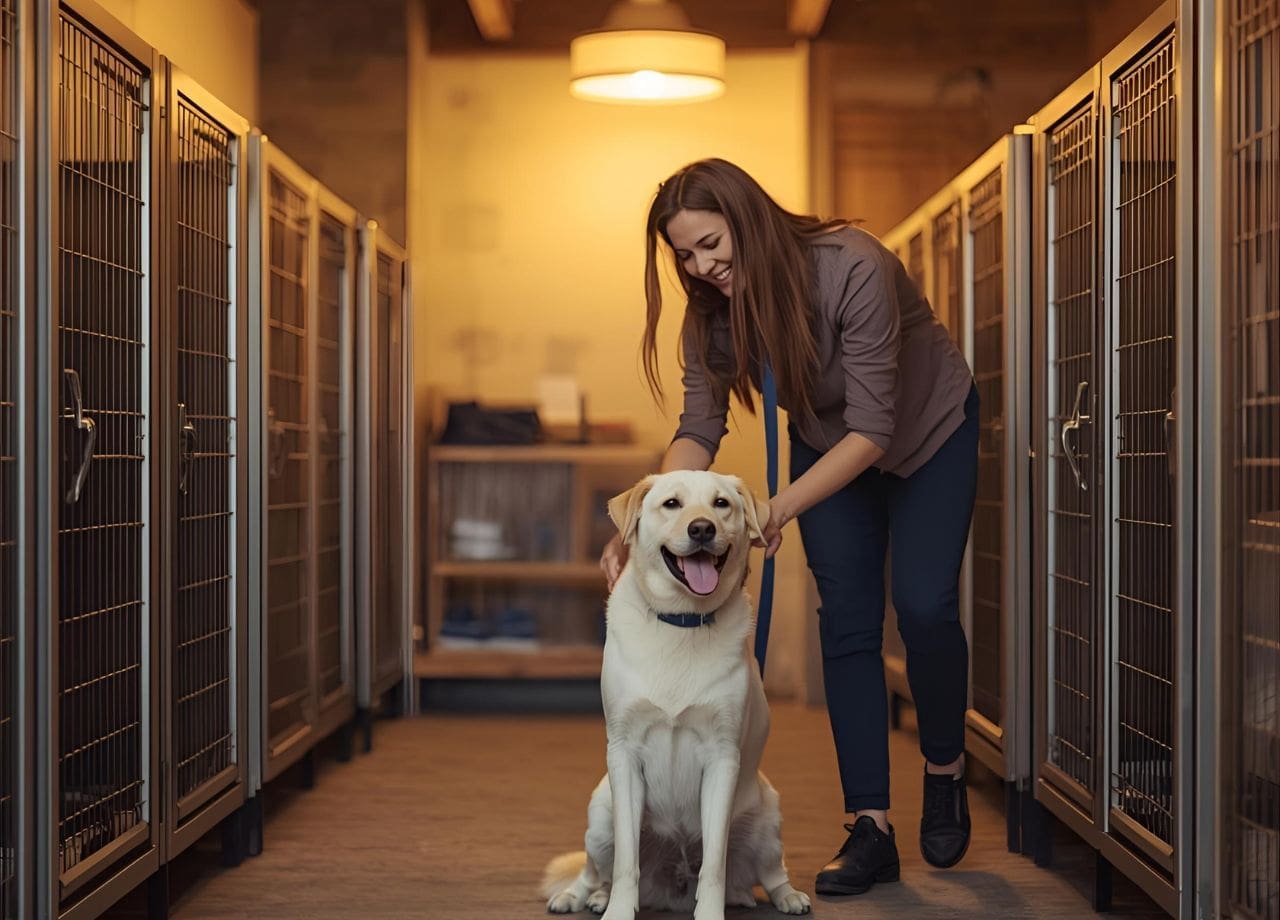
Preparing for a vacation should feel exciting, yet for many dog parents, the biggest question often becomes the most stressful: where will my dog be safe, comfortable, and genuinely cared for while I’m away? As a team that has spent more than two decades caring for dogs across Northern Virginia, we’ve seen firsthand how deeply people worry about leaving their pets. It’s more than logistics. It’s trust. It’s the peace of mind that comes from knowing your dog is not just supervised, but understood. This is exactly why we put so much intention into the boarding experience at Animal Friends’ Pampered Paws, where dogs can enjoy roomy indoor and outdoor play spaces, staff who know their personalities, and even the opportunity to play or swim during dog daycare. But this guide isn’t about promoting one option over another. It’s about helping you think through what matters most so you can make the decision that feels right for you and your dog.
We believe every dog deserves a stay that matches both their temperament and their routine. Some dogs thrive in lively social settings. Others prefer quiet predictability with familiar surroundings. Each family’s needs are different, and with so many boarding, sitting, and daycare options available in Virginia, it helps to understand what truly separates one type of care from another. When you approach this decision thoughtfully, you transform a source of stress into something empowering. You can travel knowing your dog is not just being “watched” but is experiencing attentive care designed for their well-being.
Understanding Your Dog’s Needs Before You Choose an Option
Every dog has a unique emotional landscape, and that should be the foundation of any vacation care plan. Before you evaluate facilities or pet sitters, take an honest look at your dog’s daily rhythm. Does your dog lean heavily on structured routines or adapt comfortably to new environments? Are they energized by play groups or do they become overwhelmed around new dogs? Do they enjoy meeting new people or show hesitation around strangers? These questions help you tune into what your dog will experience while you are away.
We’ve observed that dogs who love space to move, explore, and engage with caregivers often do exceptionally well in boarding environments that offer enrichment activities and supervised social time. Dogs who feel more cautious or easily overstimulated may benefit from calmer spaces with predictable daily schedules. Energy level matters too. A high drive dog that thrives on activity could struggle in a setting where the only stimulation is a short walk and a bit of indoor time. Meanwhile, a slow paced senior might find overly active environments to be tiring or stressful.
Thinking through these details early allows you to narrow your search to the most appropriate care situations before emotions or time limitations make the decision harder. When your dog’s comfort is your compass, the right option becomes clearer.
Professional Boarding Facilities: What Sets Them Apart
Professional dog boarding facilities play an important role for families who want structure, supervision, and consistent care. At their best, they provide a blend of safety protocols, trained staff, enrichment activities, and controlled socialization that is difficult to replicate in a home based setup. A quality facility should feel like a place built intentionally for dogs rather than a converted space that simply accommodates them.
One of the advantages, particularly for active or social dogs, is the combination of supervised play and mental stimulation. Dogs benefit from the opportunity to move freely, explore, and interact with staff who understand canine body language. At Animal Friends’ Pampered Paws, our team is carefully trained to recognize subtle cues of stress or overstimulation which ensures that play remains safe and enjoyable for everyone involved. We’ve seen countless dogs flourish in these environments, returning home happier, calmer, and more content because their energy was channeled constructively.
Another key differentiator is safety. Professional boarding facilities operate with protocols designed to protect dogs from illness, injury, or unmonitored interactions. Controlled playgroups, sanitation routines, secure fencing, rotation schedules, and staff trained in canine first aid all contribute to a worry free experience for the owner and a physically safe stay for the dog. While a facility cannot replicate home, it can deliver something equally valuable if not more beneficial for certain dogs structure, engagement, and attentive oversight.
In Home Pet Sitters: Benefits and Limitations
In home pet sitting has grown in popularity because it offers continuity and familiarity. For dogs who struggle with change, remaining in their own environment can help ease anxiety. A sitter who visits multiple times a day or stays overnight can maintain meal routines, provide companionship, and keep your home feeling lived in while you’re away.
However, families should consider the limitations of this model. A sitter cannot be with your dog around the clock, which means periods of solitude are unavoidable unless you secure full time live in care. Highly social or energetic dogs may find the downtime difficult, especially if they are used to daycare or active lifestyles. Additionally, not all pet sitters are trained in canine behavior or emergency management, so the quality of care can vary widely. Always verify credentials, references, and insurance before committing.
Another important consideration is the type of stimulation your dog needs. In home care provides familiarity but not necessarily enrichment. Some dogs do wonderfully with quiet companionship and predictable routines, while others become restless or bored without opportunities to run, play, or socialize. It helps to be honest about your dog’s personality to determine whether a sitter’s schedule can truly support their needs.
Staying With Friends or Family: A Comforting but Sometimes Tricky Option
Having a trusted friend or family member watch your dog is often comforting because your dog may already know them. It can feel like the best of both worlds familiarity, affection, and personal trust. Yet this option comes with important caveats that many pet parents overlook.
People who adore your dog may not fully understand the responsibility of dog care, especially if emergencies arise or if your dog has behavior quirks that require management. Routines can slip unintentionally, feeding schedules may fluctuate, and boundaries like crate training or leash rules might not be followed consistently. Dogs can also behave differently outside their normal home environment, even with people they know well.
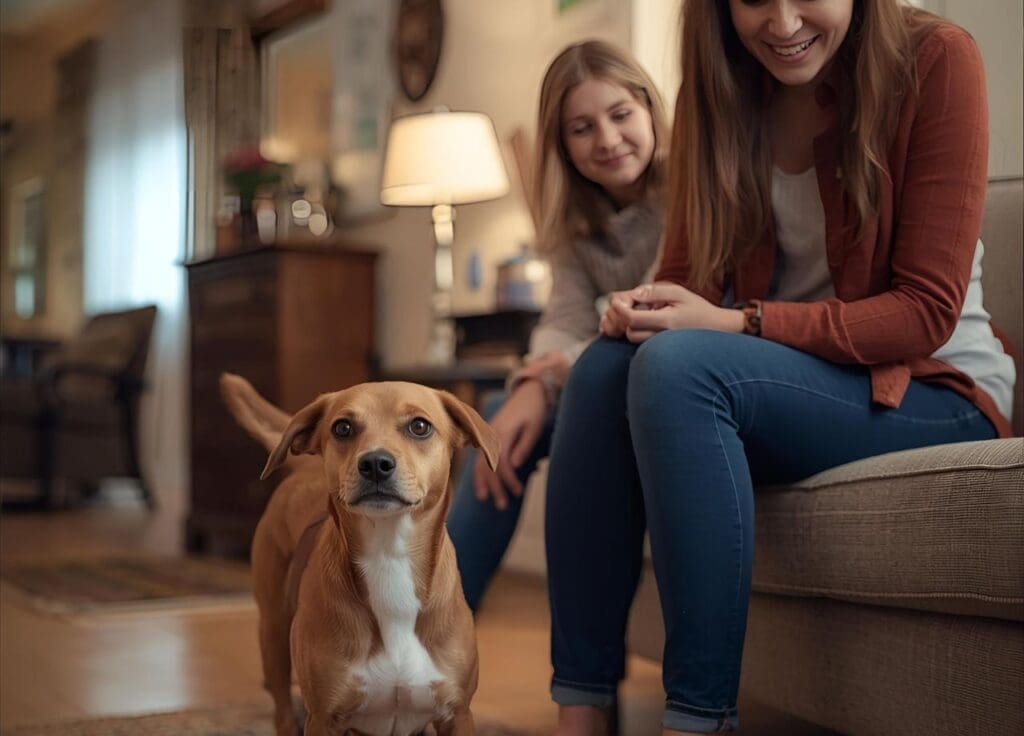
Additionally, relying on friends can create unspoken pressure or logistical burdens. Travel plans, work schedules, or unexpected events on their end could disrupt the care arrangement. This is why many families ultimately choose professional boarding even when loved ones offer to help. The dependability and infrastructure simply remove the unknowns.
Preparing Your Dog for a Positive Vacation Stay
Once you’ve chosen where your dog will stay, thoughtful preparation makes all the difference. Even the most adaptable dogs appreciate a smooth transition. Begin by familiarizing your dog with the environment or caregiver. Many facilities encourage trial daycare sessions so dogs can acclimate gradually. We’ve seen immense benefits from this practice because dogs learn the layout, meet staff members, and return home having already established positive associations before their longer stay.
Packing familiar items can also provide comfort. A well loved blanket, your dog’s regular food, or a favorite toy can help anchor your dog emotionally while they adjust to new surroundings. Maintain normal feeding times for a few days before drop off. Dogs interpret predictability as safety, so stable routines leading up to your departure help them feel secure.
If your dog is anxious or sensitive, communicate openly with the caregiver or boarding team. The more they understand about your dog’s habits, triggers, and preferences, the more confidently they can support your dog’s well being.
How to Know You’ve Made the Right Choice
Peace of mind is not just a feeling. It’s usually a sign that you’ve aligned your decision with your dog’s true needs. When you visit a boarding facility that feels clean, calm, and professionally managed, or when you meet a sitter whose communication inspires confidence, you will feel it. Your intuition as a pet parent matters.
Look for signs such as transparency, clear answers to your questions, staff who interact naturally with animals, and environments that prioritize safety and comfort. We encourage families to ask about daily routines, emergency procedures, enrichment activities, and behavior evaluations. Not because you should distrust caregivers, but because informed pet parents create better care partnerships.
Ultimately, the right place is the one where your dog can maintain emotional stability, physical health, and a sense of joy while you’re away. Vacation should not mean compromise for your pet. With the right planning, it becomes an opportunity for them to enjoy their own little adventure.
Final Thoughts
Leaving your dog during a vacation will always involve emotion because our pets are part of our hearts. But when you explore your options thoughtfully and consider your dog’s unique personality, you give yourself the gift of peace and your dog the gift of a safe and fulfilling stay. Whether your dog thrives in a well structured boarding environment, prefers the familiar rhythms of home with a sitter, or settles best with a trusted friend, what matters most is that their care reflects love, attentiveness, and respect.
If you ever want help determining whether boarding, daycare, or another arrangement would suit your dog, our experienced team at Animal Friends’ Pampered Paws is always happy to talk through your dog’s personality and needs. We believe informed decisions lead to happier travels and even happier pups waiting to welcome you home.