
Impulse control is one of those concepts in dog training that sounds simple on the surface, yet it quietly influences nearly every behavior we live with day to day. From the dog who barrels through a doorway without a glance back, to the one who cannot resist jumping when excitement takes over, impulse control sits at the center of it all. After more than twenty years of working hands on with dogs of all breeds, ages, and backgrounds, we have come to see impulse control not as a rigid obedience skill, but as a life skill that shapes how dogs experience the world.
At Animal Friends’ Pampered Paws, impulse control training shows up naturally in many of our daily interactions with dogs, especially in our structured training programs and group environments. We see firsthand how dogs who understand how to pause, think, and choose are calmer, safer, and far more confident. This is not about suppressing personality or enthusiasm. It is about teaching dogs how to succeed in a human world that is full of stimulation.
Impulse control is not flashy training. It does not rely on tricks or commands that impress guests at a dinner party. Instead, it builds the foundation that allows all other training to work more effectively. When dogs learn how to regulate themselves, everything from leash walking to social play becomes smoother and more enjoyable for everyone involved.
What Impulse Control Really Means for Dogs
Impulse control in dogs is the ability to pause before reacting. It is the mental space between stimulus and response. That pause may be only a second long, but it is powerful. It allows a dog to think rather than simply react.
Dogs are naturally driven by instinct. Movement triggers chase. Excitement triggers jumping. Food triggers grabbing. None of these behaviors are signs of a bad dog. They are signs of a dog acting on impulse. Training impulse control is about helping dogs learn that waiting often leads to better outcomes.
A dog with strong impulse control can sit calmly while a leash is clipped on, even though the anticipation of a walk is bubbling over. That same dog can notice another dog across the yard and choose to remain composed. Over time, these small choices build emotional resilience. Dogs become less reactive and more thoughtful, which translates into better behavior both at home and in social settings.
Why Impulse Control Matters More Than Obedience Alone
Traditional obedience training often focuses on commands like sit, stay, and come. While these skills are valuable, obedience without impulse control can be fragile. A dog may know how to sit perfectly in the living room, yet completely forget that skill when excitement or stress enters the picture.
Impulse control strengthens obedience by making it reliable. It teaches dogs that self control is part of every interaction, not just something they practice when asked. This is especially important in real life situations where distractions are unavoidable.
From our experience, dogs who struggle the most in group play, boarding environments, or busy households are rarely lacking intelligence. They are overwhelmed. Teaching impulse control gives them tools to handle stimulation without tipping into chaos or anxiety. It also reduces frustration, which is often the hidden driver behind unwanted behaviors.
The Emotional Side of Impulse Control Training
Impulse control is not just behavioral. It is emotional. Dogs who cannot regulate themselves often live in a constant state of arousal. Their nervous systems stay switched on, which can lead to stress related behaviors such as pacing, barking, or difficulty settling.
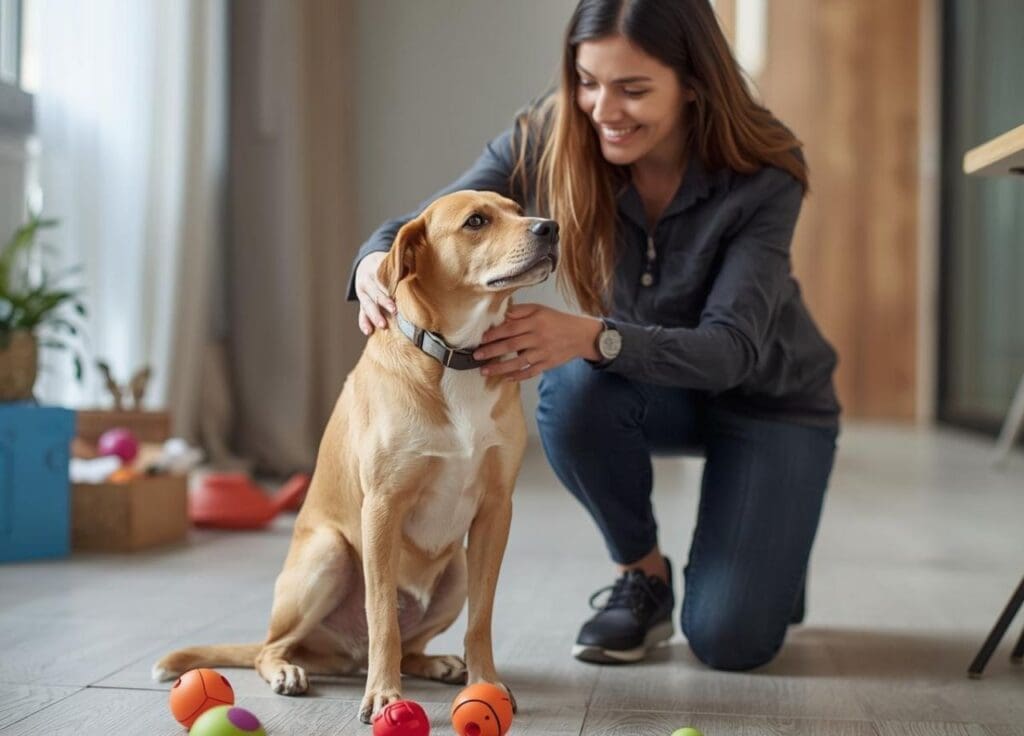
When we help dogs learn to pause and breathe through excitement, we are helping them feel safer in their own bodies. This emotional balance is especially important for dogs who attend daycare, boarding, or group training settings. A dog who can manage excitement is better equipped to enjoy social experiences rather than becoming overwhelmed by them.
We often see dogs relax visibly once impulse control clicks. Their eyes soften. Their movements slow. They start making better choices on their own. This is one of the most rewarding moments in training, because it shows the dog is learning to trust the process rather than fighting against it.
How Impulse Control Develops Over Time
Impulse control is not something a dog masters overnight. It develops gradually through repetition, consistency, and patience. Young dogs naturally have less impulse control, much like young children. Expecting instant self regulation sets both dogs and owners up for frustration.
Training impulse control begins with very small moments of success. Waiting briefly before eating. Pausing before exiting a door. Sitting calmly before greeting a person. Each of these moments reinforces the idea that calm behavior leads to good things.
As dogs mature and practice these skills, impulse control becomes more automatic. They start offering calm behavior without being asked. This is where training transitions from something you actively manage to something your dog carries with them into everyday life.
Common Situations Where Impulse Control Makes a Difference
Impulse control shows up in countless daily scenarios. Leash walking is a prime example. Dogs who pull are often acting on impulse rather than defiance. Teaching them to slow down and check in changes the entire walk dynamic.
Greeting people is another area where impulse control shines. Jumping is rarely about dominance or disrespect. It is excitement with no outlet. Helping dogs learn to sit and wait creates calmer, safer greetings for everyone involved.
Even play benefits from impulse control. Dogs who can pause during play are better at reading social cues and adjusting their behavior. This reduces the risk of conflicts and allows play to remain fun rather than escalating into overstimulation.
The Role of Environment in Impulse Control Training
Environment plays a critical role in how well impulse control develops. Dogs learn best when expectations are clear and consistent. This is one reason structured settings can be so valuable. In environments where routines are predictable and boundaries are gently enforced, dogs are more likely to succeed.
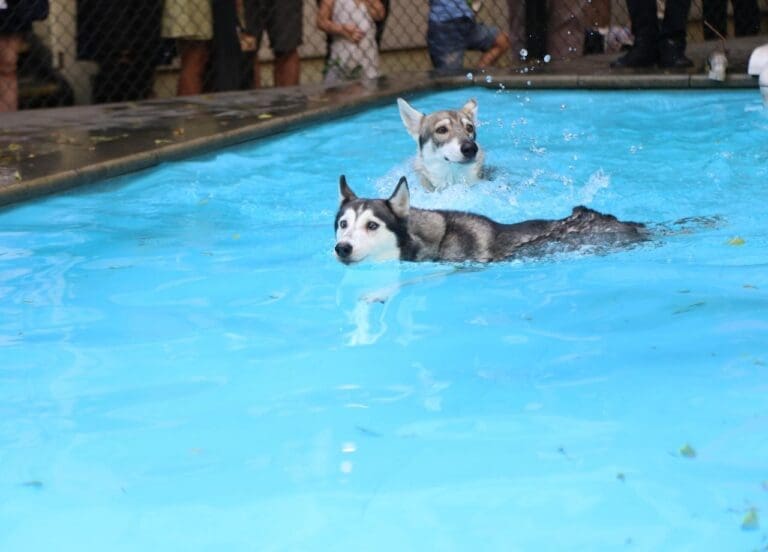
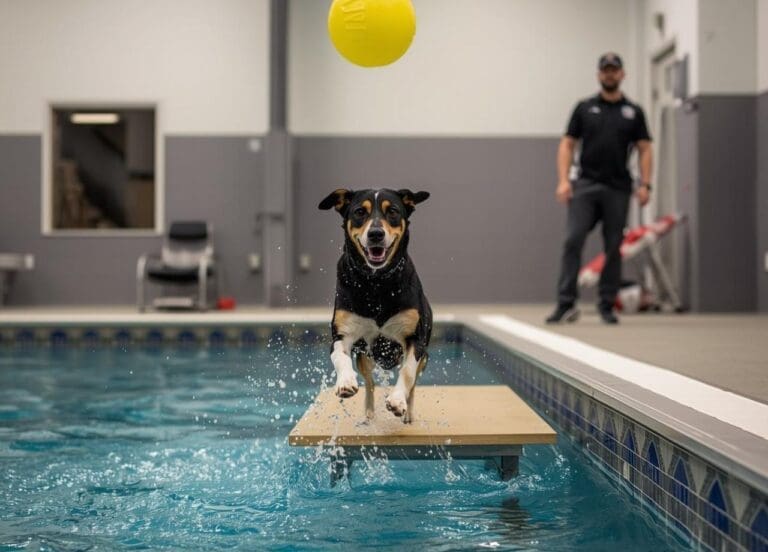
At our facility, we design spaces that encourage thoughtful movement and controlled interactions. Indoor and outdoor play areas allow dogs to expend energy while still practicing self regulation. Swimming is another excellent outlet, as it provides physical release while requiring focus and body awareness.
Impulse control does not mean limiting joy. It means channeling energy in ways that are healthy and sustainable. When dogs understand the rules of their environment, they relax into them.
Training Techniques That Support Impulse Control
Impulse control training works best when it is woven into daily life rather than treated as a separate exercise. Simple routines repeated consistently have a powerful impact over time.
Waiting before meals teaches dogs patience and reinforces the idea that calm behavior brings rewards. Structured leash routines reinforce focus and awareness. Calm entry and exit routines reduce chaos and help dogs transition smoothly between activities.
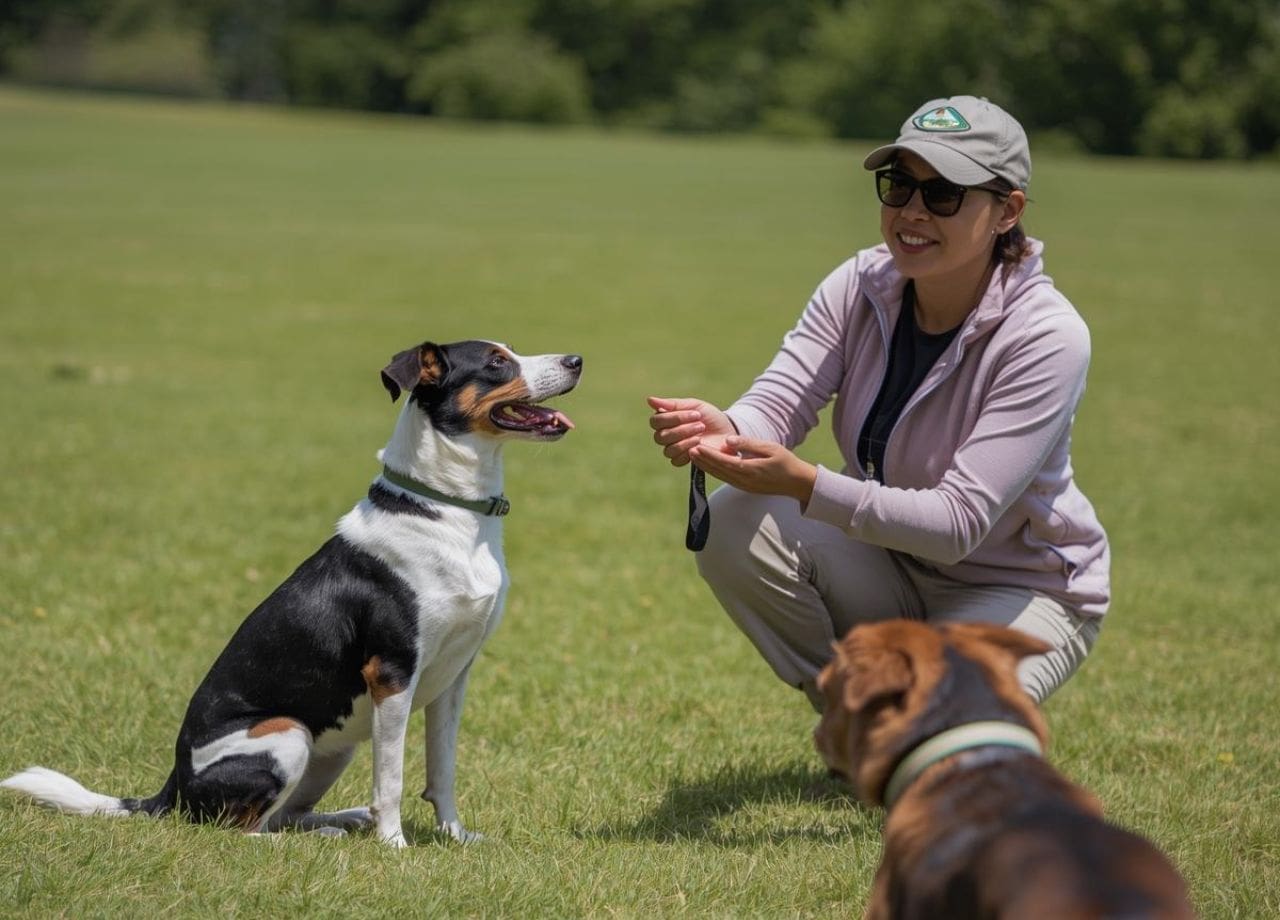
Positive reinforcement is essential here. Impulse control grows when dogs feel successful, not pressured. We look for opportunities to reward the pause, the glance back, the moment of restraint. These moments may seem small, but they build a strong foundation.
Impulse Control and Long Term Behavior Success
One of the greatest benefits of impulse control training is its long term impact. Dogs who learn how to regulate themselves age more gracefully in behavior. They adapt more easily to changes such as new family members, schedule shifts, or different environments.
Impulse control also supports safety. A dog who pauses at thresholds is less likely to dart into traffic. A dog who can manage excitement is less likely to knock over a child or escalate during play.
From a training perspective, impulse control is one of the most transferable skills a dog can learn. It supports everything else, from advanced obedience to reliable recall. It creates a dog who is not just trained, but thoughtful.
Our Perspective After Years of Working with Dogs
After decades of caring for and training dogs, we believe impulse control is one of the most compassionate skills we can teach. It respects a dog’s natural instincts while guiding them toward behaviors that keep them safe and successful.
We do not see impulse control as restriction. We see it as empowerment. Dogs who can manage themselves experience more freedom, more trust, and more meaningful interaction with the people around them.
Whether a dog is attending training sessions, enjoying daycare, or staying with us for boarding, impulse control quietly shapes their experience. It allows them to settle, to connect, and to truly enjoy their time.
Impulse control is not about creating perfect dogs. It is about helping dogs live comfortably in a world full of excitement, distractions, and opportunity. When dogs learn how to pause, they learn how to choose. And that choice makes all the difference.