
At Animal Friends’ Pampered Paws, we have seen firsthand how transformative swimming can be for dogs. It is not just a fun activity, it is a powerful form of exercise, a confidence builder, and for many dogs, a lifelong source of joy. But we also know that teaching a dog to swim is not something to rush or take lightly. It requires patience, awareness, and a deep respect for each dog’s personality and comfort level.
Many pet owners are surprised to learn that not all dogs instinctively know how to swim. While some breeds take to water immediately, others need careful introduction and encouragement. This is especially true for dogs who may feel uncertain or overwhelmed in new environments. In our own swimming sessions on our property, we approach each dog as an individual, tailoring the experience to ensure safety and a positive emotional association with water from the very beginning.
Understanding Your Dog Before You Begin
Before you even approach the water, it is important to understand your dog’s natural disposition. Some dogs are bold and curious, while others are cautious or even fearful. Neither is better or worse, but it will determine how you guide them through the process.
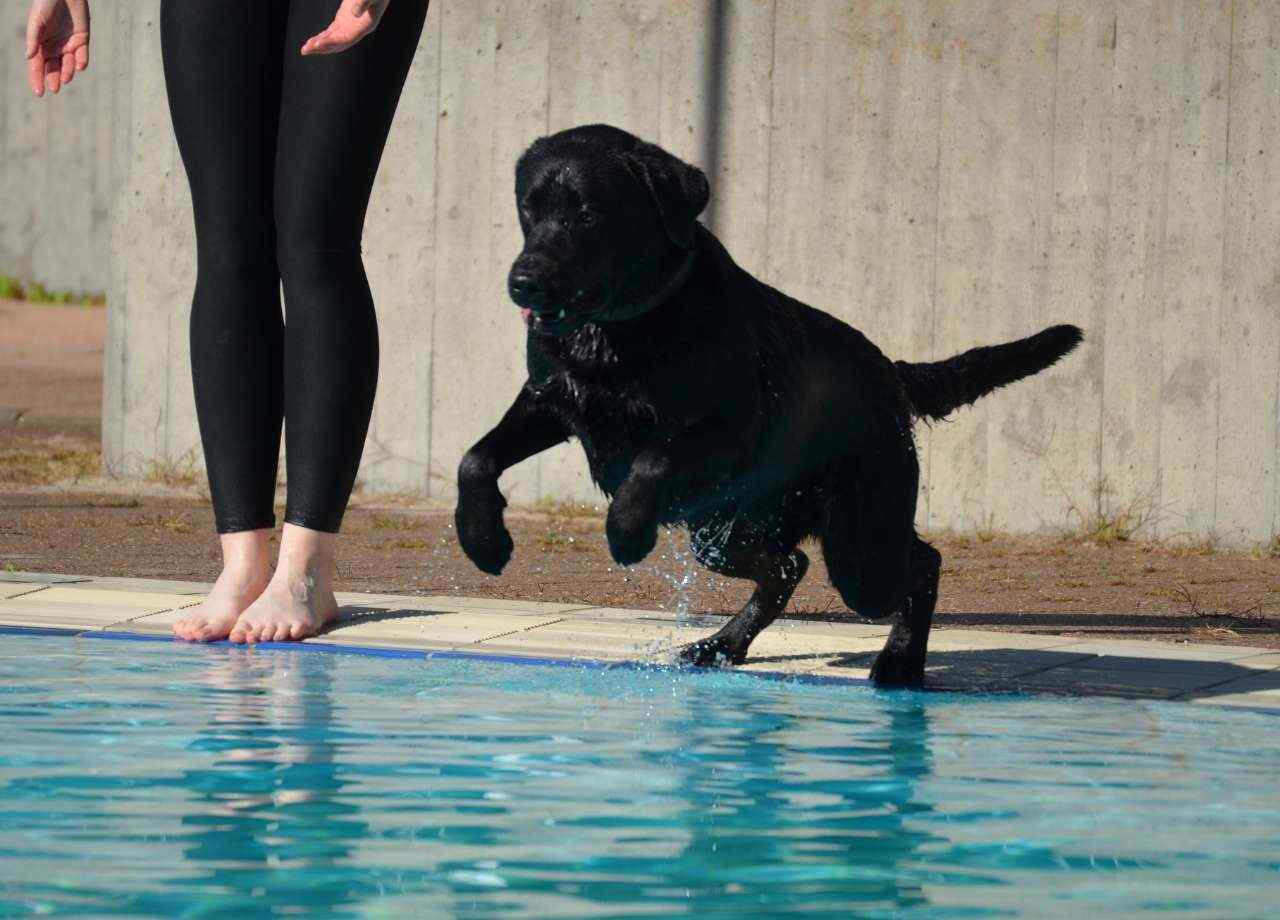
A dog’s breed can offer some clues, but it should never be the only factor you consider. Retrievers and spaniels are often comfortable in water, while breeds with shorter legs or heavier builds may struggle more. Still, personality matters more than genetics in many cases. We have worked with dogs who defy every expectation, both positively and negatively.
Pay attention to how your dog reacts to new environments, sounds, and textures. If they tend to hesitate or cling to you in unfamiliar situations, you will want to move more slowly. If they are confident and eager, you can still proceed with caution while allowing their curiosity to lead.
Choosing the Right Environment
The environment you choose plays a significant role in your dog’s first swimming experience. Calm, shallow water is always the best starting point. Avoid areas with strong currents, waves, or sudden drop-offs. A controlled setting, such as a pool designed for dogs, is ideal because it removes many unpredictable elements.
We have found that dogs learn best in environments where they feel secure. That means easy entry and exit points, clean water, and minimal distractions. A gradual slope into the water allows your dog to explore at their own pace rather than feeling forced into a situation they do not understand.
Temperature is another factor that is often overlooked. Water that is too cold can create an immediate negative association, while excessively warm water can be uncomfortable. Aim for a moderate temperature that feels neutral and inviting.
Introducing Your Dog to Water
The first interaction with water should never feel like a test. It should feel like an invitation. Let your dog approach the water at their own pace. Sit nearby, speak calmly, and allow them to observe. Some dogs will step in with little hesitation, while others may need time just to feel comfortable standing near the edge.
You can encourage curiosity by stepping into the shallow water yourself or by placing a favorite toy just at the edge. Avoid throwing toys into deeper water at this stage. The goal is not to get them swimming immediately, but to help them associate water with something positive and familiar.
Gentle praise goes a long way here. When your dog shows interest, even if it is just dipping a paw, acknowledge it. Reinforcement builds confidence, and confidence is what will carry them forward.
Supporting Their First Swim
When your dog is ready to move beyond wading, your role becomes one of quiet support. Stand in the water with them and guide them gently. If they begin to paddle, keep one hand under their chest or belly to provide stability. This reassurance can make all the difference in those first moments.
It is important not to hold them too tightly or restrict their movement. Dogs need to feel their natural swimming motion. Your support should feel like a safety net, not a restraint.
Watch their body language closely. If they begin to panic, immediately guide them back to shallow water where they can stand comfortably. Ending a session on a positive note, even if it is brief, is far more valuable than pushing too far and creating fear.
Building Confidence Over Time
Swimming is not something most dogs master in a single session. It is a gradual process that builds with repetition and trust. Short, positive sessions are far more effective than long, exhausting ones.
As your dog becomes more comfortable, you can slowly increase the distance they swim. Continue to stay close, offering reassurance without hovering too much. The goal is to help them feel independent while knowing you are nearby.
Consistency is key. Regular exposure helps solidify their confidence and improves their physical ability. Over time, you will notice smoother movements, stronger paddling, and a more relaxed demeanor in the water.
Using Toys and Positive Reinforcement
Toys can be a powerful tool when used correctly. Once your dog is comfortable swimming short distances, you can begin to use floating toys to encourage movement. Start close and gradually increase the distance as their confidence grows.
Choose toys that are easy to see and retrieve. Bright colors and buoyant materials work best. Avoid anything too small or difficult to grasp, as this can create frustration.
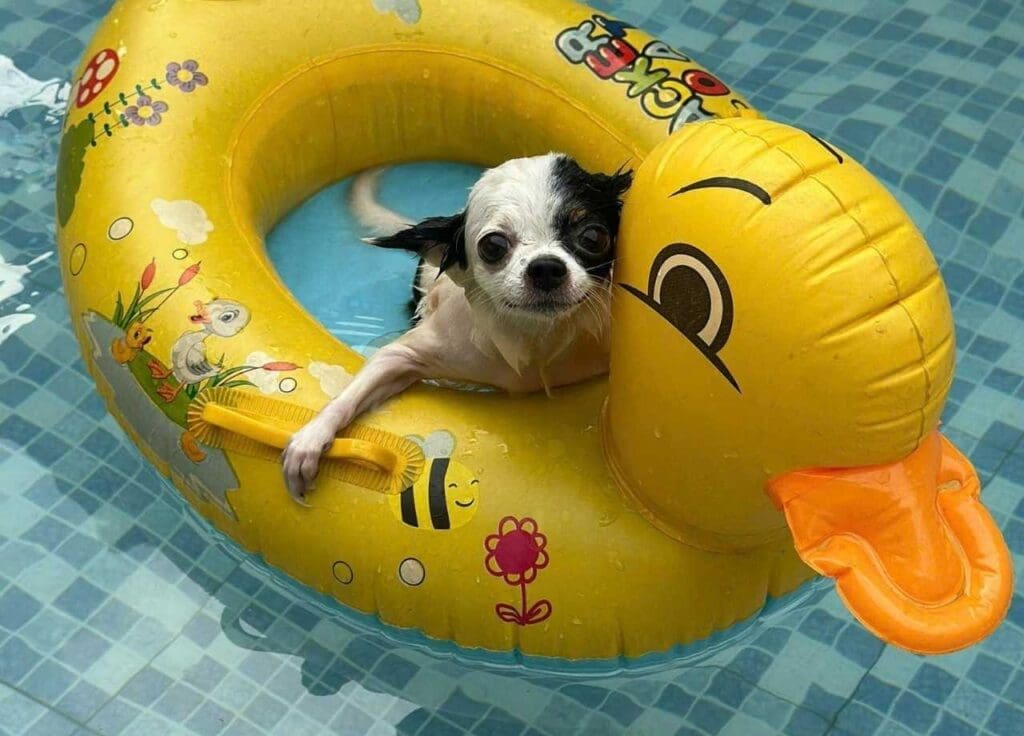
Positive reinforcement should always accompany progress. Praise, gentle petting, or even a small treat can reinforce the idea that swimming is a rewarding experience. The key is timing. Reward immediately after the desired behavior so your dog clearly connects the action with the outcome.
Knowing When to Take a Break
One of the most important skills in teaching a dog to swim is knowing when to stop. Fatigue can set in quickly, especially for beginners. A tired dog is more likely to panic or develop negative associations.
Watch for signs such as heavy panting, slower movements, or attempts to climb onto you. These are clear indicators that your dog needs a break. Ending the session at the right time helps preserve their confidence and ensures they look forward to the next experience.
Hydration is also important. Even though your dog is in water, they can still become dehydrated, especially on warm days. Always provide fresh drinking water nearby.
Safety Considerations Every Owner Should Follow
Dogs do not always know when to stop. Excitement can override fatigue, especially in water-loving breeds. Short, controlled swim sessions are far better than long, unstructured ones.
We recommend starting with 10 to 15 minutes and adjusting based on your dog’s comfort and experience. Over time, you will learn what duration works best for your dog.
Rinse Immediately After Swimming
Safety should always be at the forefront of any swimming activity. Even strong swimmers can encounter difficulties, especially in unfamiliar environments.
A properly fitted canine life jacket is a valuable tool, particularly during the early stages of learning. It provides buoyancy and gives you an easy way to guide your dog if needed. This is not a sign of weakness, but a smart precaution.
Never leave your dog unattended near water. Even if they have shown confidence in the past, conditions can change quickly. Supervision ensures you can respond immediately if something goes wrong.
It is also wise to rinse your dog after swimming, especially if they have been in natural bodies of water. This helps remove bacteria, algae, or debris that could irritate their skin.
When Professional Guidance Makes a Difference
While many owners successfully teach their dogs to swim on their own, there are situations where professional guidance can be incredibly helpful. Dogs with strong fear responses, physical limitations, or past negative experiences may need a more structured approach.
In our experience, a controlled setting with trained staff can accelerate progress while ensuring safety. Dogs often respond differently in environments designed specifically for them, especially when guided by people who understand canine behavior deeply.
We have seen hesitant dogs transform into confident swimmers simply because they were introduced to water in a way that respected their pace and comfort level. That kind of transformation is one of the most rewarding parts of what we do.
The Long-Term Benefits of Swimming
Swimming offers benefits that go far beyond recreation. It is a low-impact exercise that supports joint health, making it ideal for both young, energetic dogs and older dogs who need gentle activity.
It also provides mental stimulation. Navigating water, retrieving toys, and interacting in a new environment engages your dog’s mind in ways that land-based activities sometimes cannot.
Perhaps most importantly, swimming can strengthen the bond between you and your dog. The trust built during those early lessons carries into other areas of your relationship. When your dog looks to you for reassurance in the water and finds it, that connection deepens in a meaningful way.
Final Thoughts
Teaching a dog to swim is not about speed or achievement. It is about creating a safe, positive experience that builds confidence and trust. Every dog’s journey will look a little different, and that is exactly how it should be.
Approach the process with patience, stay attuned to your dog’s needs, and celebrate every small step forward. Whether your dog becomes an enthusiastic swimmer or simply enjoys wading at the edge, what matters most is that they feel safe and supported.
If you ever feel unsure or want to provide your dog with a more structured introduction to water, reaching out for guidance can make all the difference. At the end of the day, our goal as pet owners and caregivers is simple: to give our dogs experiences that enrich their lives while keeping them safe, happy, and confident.