
Watching dogs interact is one of the purest joys of pet ownership—but those friendly greetings don’t just happen by chance. Socialization is the skill set behind the behavior, and it starts early. At Animal Friends’ Pampered Paws, we’ve seen firsthand how positive, intentional socialization can shape a dog’s entire life. From group play in our open yards to training with experienced handlers, we support dogs in learning how to connect, communicate, and thrive.
Why Socialization Matters More Than You Think
Socialization isn’t just about playdates and tail wags. It’s about building a dog’s confidence so they can navigate a world full of new people, animals, sounds, and experiences. A well-socialized dog is less likely to overreact in stressful situations. They adapt more easily to new places, like vet clinics, boarding facilities, or even your local farmer’s market. They know how to read other dogs’ body language, and they understand boundaries—both their own and others’.
Poor socialization, especially during a dog’s critical early months, can set the stage for chronic anxiety or fear-based behaviors. These dogs may become reactive, bark excessively, or withdraw entirely. Worse, they may pose a risk to themselves or others, particularly in unpredictable environments. That’s why early, gentle, and positive exposure to a range of stimuli is essential.
The Right Way to Socialize Your Dog
Good socialization isn’t just about quantity—it’s about quality. Throwing your dog into a crowded park or overwhelming them with new experiences all at once can backfire. What you want instead is slow, measured introductions that prioritize your dog’s comfort and emotional state.
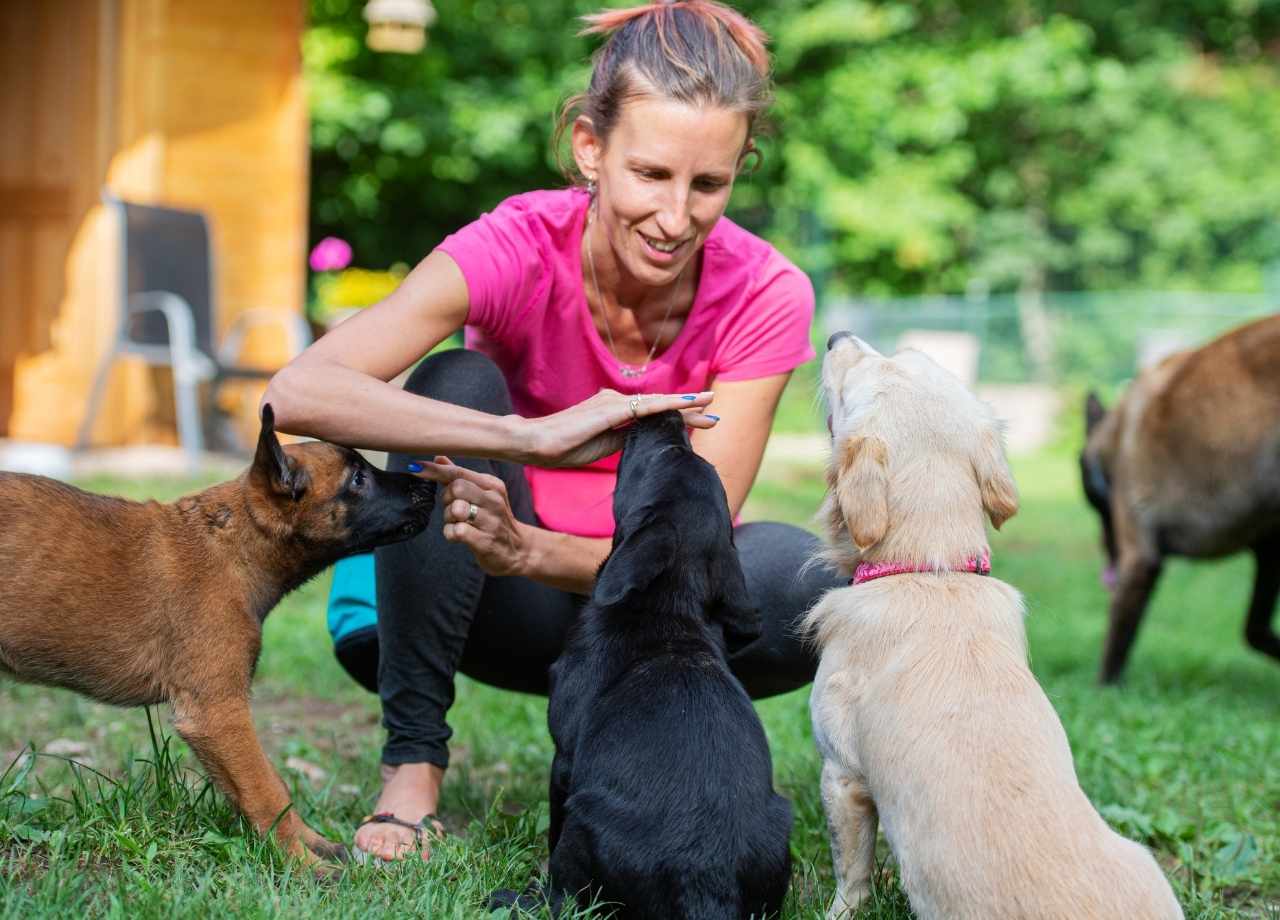
Start small. If you’ve got a puppy, begin with short visits to quiet places where the sights, sounds, and smells are new but not overpowering. Introduce them to calm, friendly dogs of different sizes and energy levels. Let them watch traffic from a distance, or sniff around a vet’s office lobby without being rushed. Always offer lots of praise and treats for calm behavior.
For adult dogs who missed early socialization, the approach needs to be even more intentional. Working with professional trainers can help create a structured plan tailored to your dog’s needs. Controlled playgroups, positive reinforcement training, and consistent routines can go a long way toward reshaping a dog’s reactions and building trust.
Reading Canine Body Language
Understanding your dog’s body language is critical to supporting positive social interactions. Dogs are constantly communicating, often more with their bodies than their barks. Signs of comfort might include loose tails, soft eyes, play bows, and wagging butts. Signs of stress, on the other hand, can be subtle: lip licking, yawning, whale eyes, stiff posture, and tucked tails.
Recognizing these signs in both your dog and others can help you intervene before things escalate. If your dog is showing discomfort during a social situation, it’s okay to take a step back. Pushing through can erode trust. Think of socialization not as a checklist, but as an ongoing conversation with your dog.
The Role of Controlled Environments
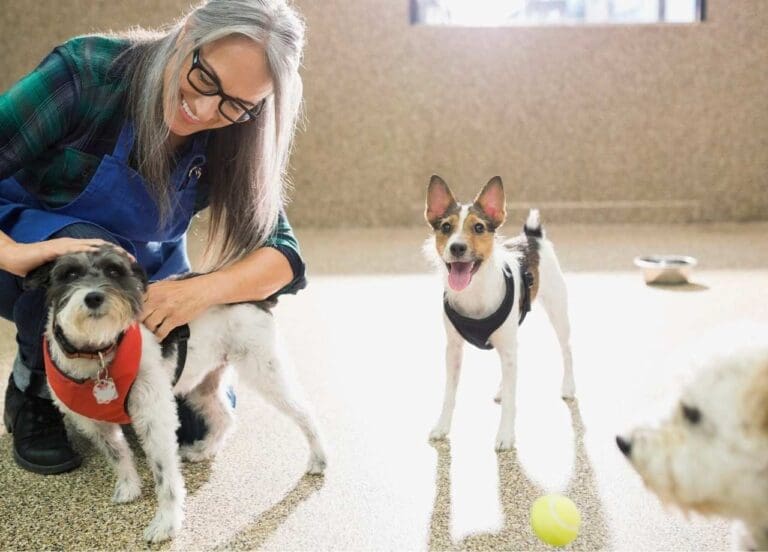
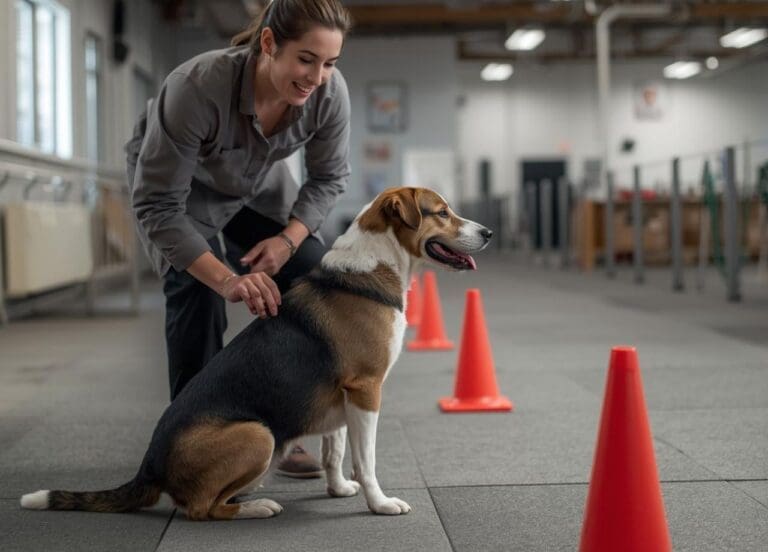
One of the most effective ways to socialize dogs is within a controlled, supervised setting. That’s where professional facilities come in. We offer environments where trained staff monitor group play, match personalities carefully, and guide dogs through appropriate interactions. This kind of exposure allows dogs to learn social cues, correct their behavior, and build confidence in a safe, supportive space.

In our experience, structured group play often brings out the best in dogs. We’ve seen shy rescues blossom after a few weeks of gentle encouragement. We’ve helped energetic pups learn the art of self-regulation. Even older dogs benefit from the mental and emotional stimulation that comes from spending time with others. Whether it’s chasing balls in play yards or learning to take turns during group training, every interaction counts.
Socialization Is a Lifelong Journey
Socialization isn’t just for puppies. While early exposure is crucial, adult dogs benefit immensely from ongoing positive interactions. Life changes—like moving to a new home, adding a new family member, or even experiencing a trauma—can affect a dog’s confidence. Re-socializing, or maintaining a dog’s social skills, is just as important as teaching them the first time.
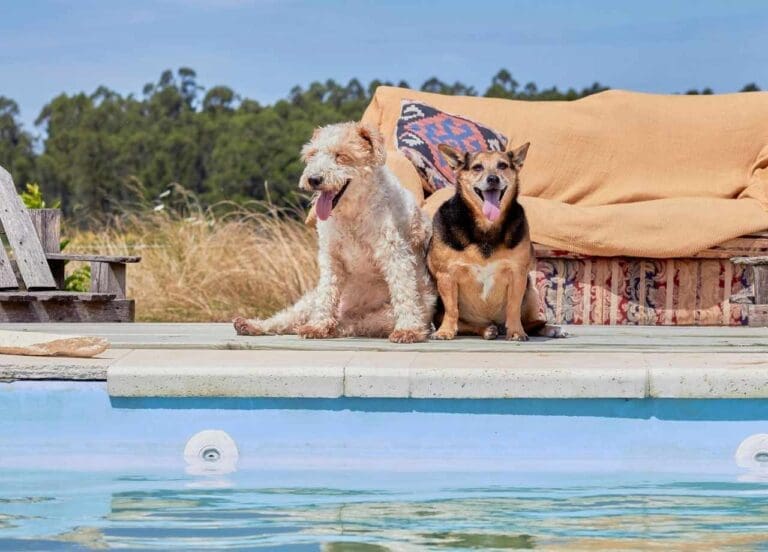
Enrichment activities like group swimming sessions, nature walks, or agility courses can keep your dog mentally engaged and emotionally balanced. We integrate these kinds of experiences into our service packages to ensure that dogs stay sharp, happy, and socially fluent. We often say that a tired dog is a good dog, but a well-socialized dog is a great one.
Your Role as a Dog Parent
Ultimately, the best socialization comes from a team effort between pet parents and their support network. That means staying observant, advocating for your dog’s comfort, and seeking out experiences that build trust rather than test it. It also means knowing when to ask for help. Whether you’re dealing with a reactive dog or just looking to give your pup more confidence in public settings, you’re not alone.
Talk to your vet, work with trainers, and consider structured daycare or playgroup environments to keep your dog growing. Every outing, every meet-and-greet, every new smell is an opportunity for your dog to learn and adapt.
Final Thoughts
Socialization is more than a phase; it’s a philosophy. It speaks to how we want our dogs to experience the world: with curiosity, confidence, and compassion. We’re passionate about creating those opportunities—not just because it makes for better dogs, but because it builds stronger bonds between dogs and the people who love them.
If you’re unsure where to start, or if you’re seeing behaviors that concern you, reach out. Sometimes, a little guidance is all it takes to turn tension into trust. Your dog is always learning. The question is, what do you want them to learn today?