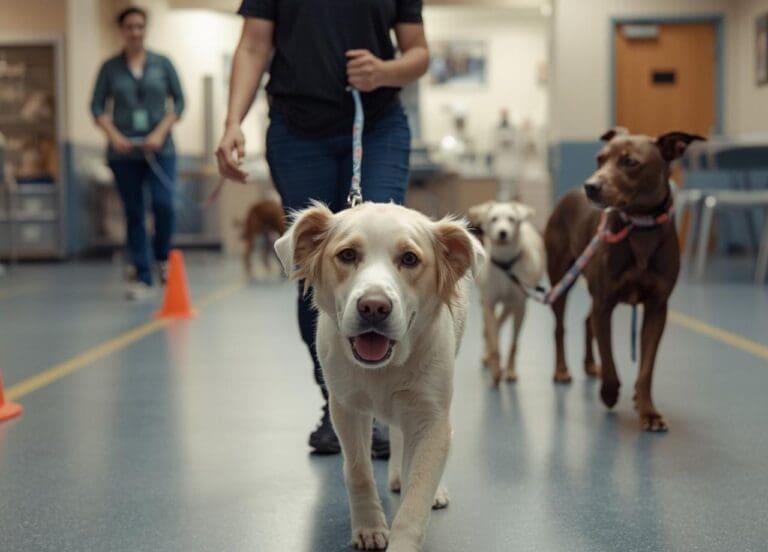

At Animal Friends’ Pampered Paws, we welcome dogs onto our 14 acre property every day for boarding, daycare, swimming, and training. Over the years, one of the most common questions we hear from pet parents is simple but incredibly important: What vaccines does my dog need before boarding? It is a fair question and one we take very seriously, because vaccination is an essential part of keeping every guest safe and healthy. We consider it a shared responsibility between us and each pet parent. When everyone arrives properly vaccinated, our indoor and outdoor play yards stay safer, our boarding suites stay healthier, and your dog has a better experience.
Many families in the Bealeton, Warrenton, Manassas, and Prince William County area bring their dogs here for active getaways, whether that is one of our Nature Dog or Water Dog packages or simply a comfortable overnight stay. Because our dogs socialize frequently during boarding, daycare, or swim sessions, proper vaccination protects not just your dog but also the entire group. It is one of the quiet but critical foundations of the safe and joyful environment we work hard to provide.
Core Vaccines Required for Dog Boarding
Every reputable boarding facility follows science backed guidelines for canine vaccination. While individual policies vary slightly, there are three core vaccines considered essential for boarding: Rabies, Distemper combination, and Bordetella. These three serve as the backbone of disease prevention in busy, social pet care settings. At our facility, we require all three before a dog joins group play or rests overnight in our lodging areas.
Rabies Vaccine
Rabies vaccination is required by law in Virginia, and because rabies is universally fatal, it is one of the strictest rules we maintain. Not only does this protect your dog, but it also protects our team, other guests, and our local wildlife populations. Rabies can pass through saliva and bite wounds, and although it is uncommon, prevention is the only safe approach. Boarding environments require close contact with both humans and other pets, and having all dogs vaccinated eliminates that risk. The rabies vaccine generally follows a one year or three year schedule depending on the version your veterinarian uses. As long as it is current on the date of arrival, your dog meets this requirement.
Distemper Combination Vaccine (DHPP or DA2PP)
Many people shorten this vaccine to the “distemper shot,” but it is actually a combination package protecting against canine distemper, adenovirus, parainfluenza, and parvovirus. These viruses can spread easily in environments where dogs interact or share surfaces, which is why facilities like ours will always request this vaccine. Distemper and parvo in particular are severe and often life threatening. Boarding dogs come from households across the region, from Woodbridge to Remington to Culpeper County, and mingling increases the number of potential exposures. Vaccination dramatically reduces those risks. Most veterinarians boost this vaccine every one to three years, so make sure yours is up to date before you schedule a stay.
Bordetella Vaccine
Bordetella bronchiseptica is a primary cause of what many pet owners call kennel cough. Although kennel cough is often mild, it spreads rapidly in social environments. Dogs greet each other nose to nose, sniff shared toys, and breathe the same air in play areas. A single contagious dog could infect several others. The Bordetella vaccine significantly reduces that likelihood. Some dogs receive the intranasal version, others receive it orally or by injection, and the booster schedule can range from six months to one year depending on veterinarian preference. Any of these versions are accepted as long as the vaccine is current.
Additional Vaccines That May Be Recommended for Boarding
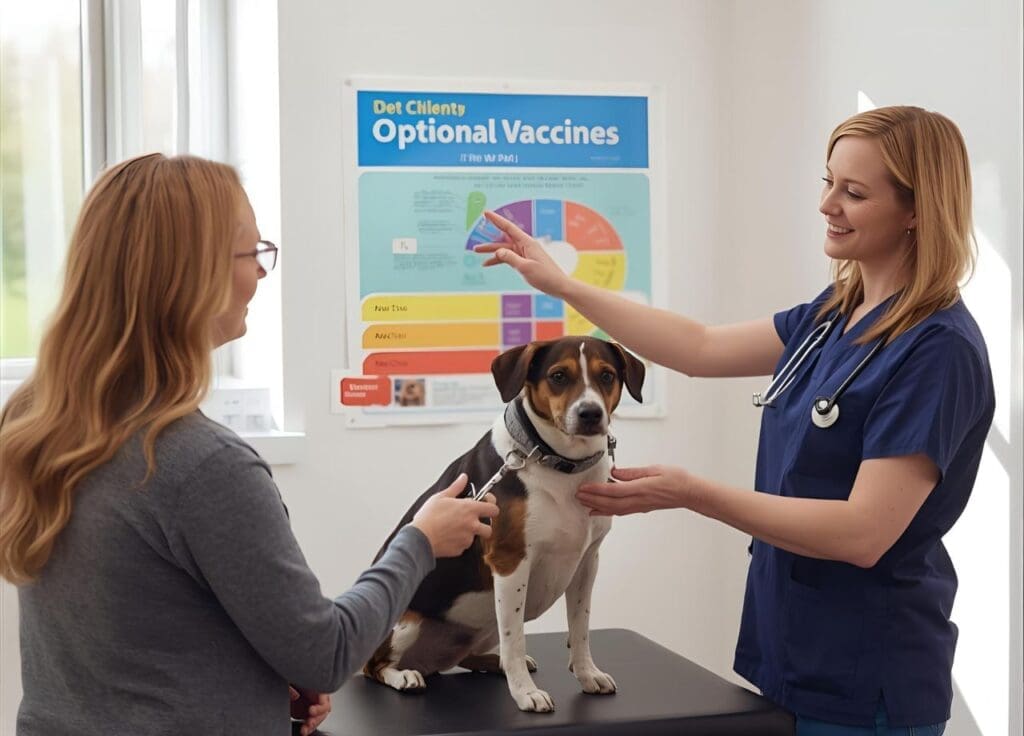
While the three vaccines above are standard requirements, veterinarians and facilities often recommend additional ones based on regional disease patterns or the type of activities your dog enjoys. We observe how dogs use our space daily, which includes wooded walking trails, grassy play fields, and a swimming pool. This landscape naturally influences what we pay attention to.
Canine Influenza Vaccine
Canine influenza outbreaks occur in waves across the country, and when they spike, the virus can move quickly through communities. The canine flu vaccine is not universally required, but it is continuously encouraged. Boarding, daycare, and grooming environments are all considered “higher risk” settings for respiratory viruses. If your dog spends time in group play or travels frequently, ask your veterinarian whether this vaccine would be beneficial. It usually requires an initial series followed by annual boosters. We have seen dogs stay healthier during regional flare ups when they are vaccinated, so we tend to view this one favorably.
Leptospirosis Vaccine
Leptospirosis is a bacterial disease spread through the urine of wildlife and can be transmitted through puddles, soil, or standing water. Because our property includes wide outdoor areas, we are mindful of environmental exposure. Lepto can affect both dogs and humans, so prevention carries added importance. Many veterinarians include it as part of their routine vaccination series. If yours does not, it is a good idea to ask whether your dog’s lifestyle warrants it. For dogs who love nature, hiking, or swimming, this vaccine offers meaningful protection.
Lyme Disease Vaccine
Ticks are common throughout Virginia, especially in wooded or grassy regions. Dogs visiting from Catlett, Bristow, and similar areas often encounter tick friendly terrain in daily life. Lyme disease can cause chronic joint issues, fever, and fatigue. Combined with good tick prevention products, the Lyme vaccine adds an extra layer of defense. While not required for boarding, it is one that many veterinarians recommend when dogs spend time outdoors.
Why Boarding Facilities Require Vaccines
From the outside, vaccine requirements can feel like a simple checklist, but within a boarding operation, these policies function as part of a larger health management system. We see firsthand how quickly germs can move when dogs play, splash, nap, and explore together. Fortunately, we also see how well vaccines work when everyone is protected.
Vaccinations reduce the likelihood of severe illness, shorten the length of any mild symptoms, and prevent major outbreaks that could disrupt families’ plans. Boarding is meant to be enjoyable. Dogs should arrive excited, stretch into a comfortable routine, and return home relaxed and happy. No one should be worrying about entirely preventable diseases.
Our facility design also plays a role. Because dogs rotate between indoor and outdoor play, interact in open air spaces, and mingle in groups based on size and temperament, a healthy immune system supported by current vaccines gives them the best chance to thrive. At the same time, unvaccinated dogs introduce unnecessary risk. Even a single contagious pet can impact many others. That is why our vaccination policies stay firm, consistent, and based in veterinary science.
When to Update Vaccines Before Boarding
As a general rule, schedule your dog’s vaccine updates at least one to two weeks before boarding. Some vaccines, such as Bordetella, may provide faster protection depending on the type delivered, but a thoughtful buffer allows your dog’s immune system to respond fully. It also gives you some flexibility in case your veterinarian recommends spacing out boosters or administering more than one vaccine at a visit.
If your dog has never received certain vaccines or has gone more than a few years without boosters, talk with your veterinarian early. Initial vaccine series sometimes require two doses given several weeks apart. Planning ahead ensures your dog meets all requirements by the day of check in.
What to Provide to Your Boarding Facility
When you arrive, bring written proof of vaccination from your veterinarian. Many clinics can email records directly upon request. We review dates for rabies, distemper combination, and Bordetella. If your dog has any medical limitations that affect vaccination schedules, discuss those with us before booking. Some dogs with specific health conditions have modified vaccine recommendations, and communication helps us determine safe accommodations.
We appreciate when owners keep their records organized and up to date. It allows check in to move smoothly and lets your dog transition into play or rest without delay. Since we serve families from several counties throughout Northern Virginia, everyone benefits when documentation is clear.
Final Thoughts
Your dog’s anxiety is not a flaw. It is a sign of how deeply they are connected to you. By approaching boarding with intention and compassion, you give them the tools to navigate the world with greater confidence. Whether it is their first stay or their fiftieth, your partnership with the caregivers makes all the difference. And for anxious dogs, that partnership is the gentle reassurance that their world remains safe, even when the person they love most is temporarily out of sight.