
Here in Virginia, we experience the full range of seasons—from frosty winter mornings to blazing summer afternoons, and everything in between. As caretakers of both our clients and our own beloved pets, we at Animal Friends’ Pampered Paws know firsthand how much these seasonal shifts can affect our four-legged companions. Dogs and cats have different needs depending on the time of year, and providing the right care is essential to keeping them healthy, happy, and safe. Over the years, we’ve seen what works, what doesn’t, and where extra attention can make all the difference.
Our team keeps these seasonal shifts in mind when we’re caring for pets at our facility. Whether a dog is boarding for a weekend or enjoying a full Nature Dog day of outdoor exploration and socializing, we adjust their routines and surroundings accordingly. Seasonal pet care isn’t just a checklist—it’s a mindset rooted in awareness, adaptability, and compassion.
Winter Wellness for Pets
Virginia winters may not be the harshest in the country, but they can still bring biting winds, freezing rain, and the occasional snowstorm. While some dogs relish the cold (we’re looking at you, Huskies), many pets need extra support during the colder months. Short-haired breeds, senior pets, and small dogs are especially vulnerable to the cold. Cats, whether indoor or outdoor, also need particular attention.
We recommend that pet parents limit outdoor time during particularly cold snaps. Even active dogs can develop frostbite on their paws or ears if exposed too long. Investing in pet-safe paw balms and warm, well-fitted coats for walks can help keep them protected. And after walks, always dry off your dog’s paws—road salt and ice-melting chemicals can be harsh on skin and toxic if licked.
Indoors, keep bedding away from drafty doors or windows. Consider elevating beds slightly off the cold floor or adding extra blankets for cozy nesting. For cats, heated beds or pads can be a comforting addition, especially for seniors with arthritis.
Winter is also a time when exercise routines can falter due to shorter days and inclement weather. At our facility, indoor play areas help pets stay active when it’s too cold or wet outside. At home, try interactive toys, food puzzles, or short but frequent play sessions to keep pets mentally and physically engaged.
Spring Allergies and Seasonal Transitions
Spring in Virginia can be glorious—but with it comes a bloom of allergens. Just like humans, many pets suffer from seasonal allergies, often triggered by pollen, grasses, and mold. If your dog or cat starts itching excessively, develops watery eyes, or shows signs of ear infections or skin irritation, it may be time to talk to your vet.
Routine grooming in the spring can help manage allergens. Brushing your pet more frequently not only reduces shedding but helps remove pollen from their coat. Regular baths using gentle, hypoallergenic shampoos can soothe itchy skin and keep allergens in check. Cats, especially those allowed outdoors, may need extra grooming support even if they groom themselves meticulously.
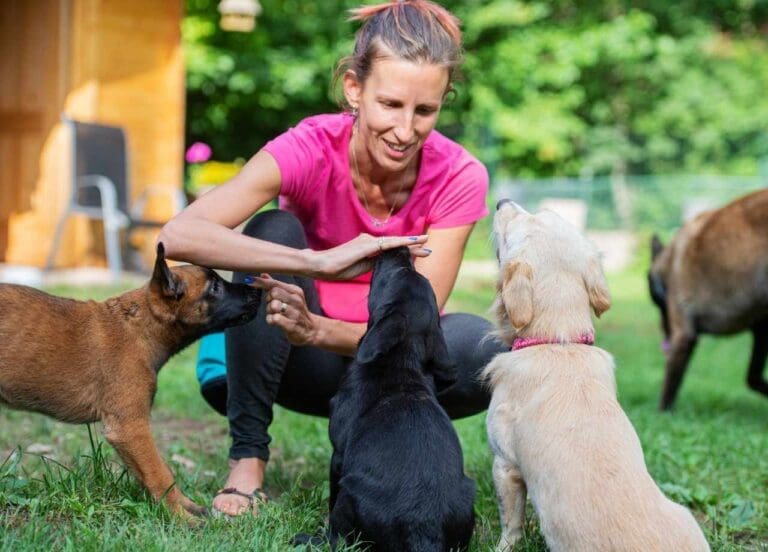
This is also a season for new beginnings—more outdoor time, more socializing, more adventures. Dogs that have been cooped up in the winter may need help adjusting to increased activity. If your pet isn’t used to longer walks or group play, take it slow. We ease dogs into more robust springtime play at our daycare and training sessions, watching closely for signs of fatigue or overstimulation.
Fleas, ticks, and mosquitoes begin reemerging in the spring. Ensuring your pet is protected with vet-approved preventatives is crucial, especially in rural or wooded parts of Virginia. Lyme disease and heartworm are real risks here and prevention is far easier (and cheaper) than treatment.
Summer Safety and Heat Precautions
Virginia summers can be intense—humid, hot, and sometimes downright oppressive. Pets can’t sweat the way we do; they regulate their body temperature primarily through panting and paw pads. That means heatstroke is a very real danger, especially for flat-faced breeds like Bulldogs or Persians, senior pets, and those with health conditions.
First and foremost: never leave a pet in a parked car, even for a few minutes. Even with windows cracked, the temperature inside a car can skyrocket in seconds. If you’re heading somewhere pets aren’t allowed, leave them at home or drop them off for a comfortable stay in a climate-controlled boarding facility.
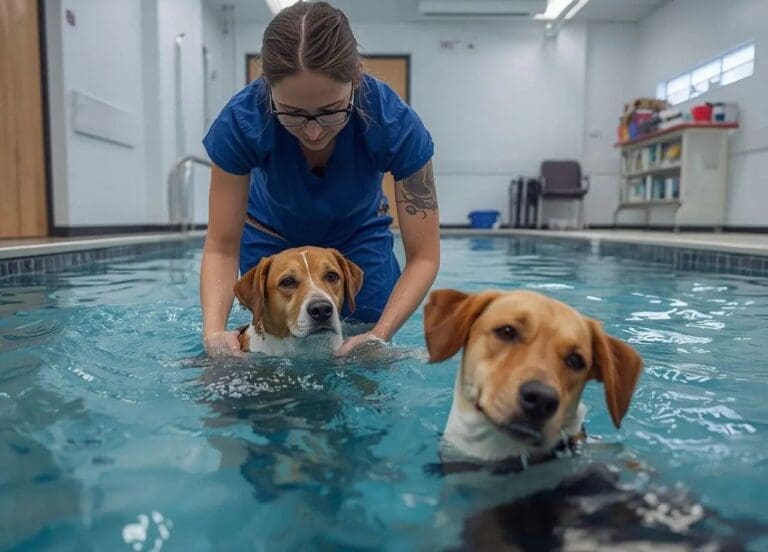
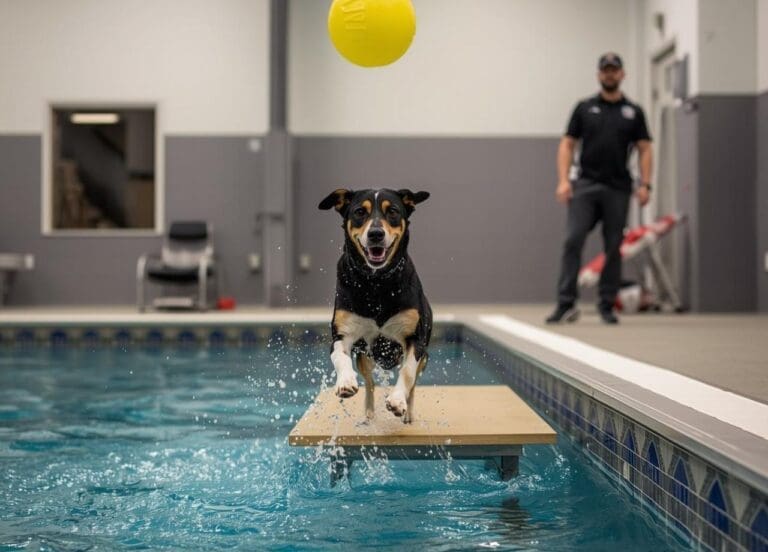
At our location, we lean into early-morning and late-evening outdoor activities and offer plenty of shade, water stations, and cooling rest periods. Our swimming sessions—part of our Water Dog package—are especially popular for keeping dogs active while staying cool. For at-home pet parents, early walks, kiddie pools, and indoor enrichment can help you beat the heat without sacrificing fun.
Watch for signs of overheating: excessive panting, drooling, lethargy, vomiting, or uncoordinated movements. If you suspect heatstroke, move your pet to a cool area immediately and contact your vet. Don’t try to cool them too quickly, as that can be dangerous too—cool, damp towels and small sips of water are a safer first step.
Fall: A Time to Reset
Autumn is one of our favorite seasons in Virginia. Cooler temperatures, crisp air, and fewer bugs make it perfect for long walks, hikes, and outdoor play. Many pets thrive during the fall—it’s an ideal time to ramp up training, establish new routines, or simply enjoy the changing scenery.
However, fall isn’t without its challenges. Seasonal shedding can be significant as pets prepare their coats for winter. Regular brushing helps control loose fur and keeps skin healthy. Some pets may also show behavioral changes as the days shorten—less daylight can impact energy levels or mood, especially in indoor cats.
This season is also a good time to reassess diet and exercise routines. Pets that gained a bit of winter weight (or got a little lazy over summer) may need help getting back into shape. At our location, we tailor our activity levels and meal routines accordingly during boarding or daycare stays to ensure pets stay at a healthy weight throughout the year.
And don’t forget fall festivities. Halloween and Thanksgiving can pose hazards—chocolate, turkey bones, and decorative items all require caution. Make sure guests know the house rules when it comes to your pets, and create a quiet retreat space if your pet gets overwhelmed by noise or crowds.
Year-Round Care Tips That Matter
Each season brings its own joys and hurdles, but some practices are vital all year long. Routine vet visits, consistent parasite prevention, proper nutrition, and mental enrichment form the foundation of pet well-being. We also advocate for being observant—no one knows your pet better than you. Changes in behavior, appetite, or movement are often the first signs of trouble.
Microchipping and ID tags are essential no matter the season, especially with increased outdoor time in spring and summer. We’ve had more than one guest reunite with a lost pet thanks to up-to-date contact information.
Grooming shouldn’t be seasonal—while timing and frequency may shift, regular nail trims, ear checks, and coat care are always important. For those unsure where to start, we’re happy to recommend grooming routines based on breed, coat type, and lifestyle.
At the heart of seasonal pet care is a simple truth: pets depend on us to keep them safe, comfortable, and content, no matter the weather. At Animal Friends’ Pampered Paws, we take that responsibility seriously, adapting every day to meet the needs of each dog and cat in our care. If you’re ever unsure what your pet needs as the seasons change, just ask—we’re always here to help guide the way.