
As Virginia pet parents, we all want the best for our dogs — not just a place to drop them off for the day, but an environment where they’re safe, happy, and thriving. That’s what dog daycare should be: a place where tails wag, friendships bloom, and a dog can spend their day engaged, exercised, and cared for by professionals who treat them like family.
At Animal Friends’ Pampered Paws, we see this every day. Some dogs can’t wait to jump into group play, others enjoy lounging in the shade or splashing in the pool — and each of them benefits from the structure and socialization that dog daycare provides. Yet for many pet owners, one of the first questions that comes up when researching daycare is: Why do costs vary so much?
Dog daycare pricing can seem confusing at first glance. In one town, you might see $25 per day; in another, $45 or more. The truth is, many different factors influence what you pay — and understanding those helps you recognize the difference between basic care and truly exceptional care.
The Real Cost of Quality Care
Let’s start with the foundation: when you pay for dog daycare, you’re not just paying for a few hours of playtime. You’re investing in professional supervision, a clean and safe environment, and staff who understand canine behavior, group dynamics, and emergency protocols.
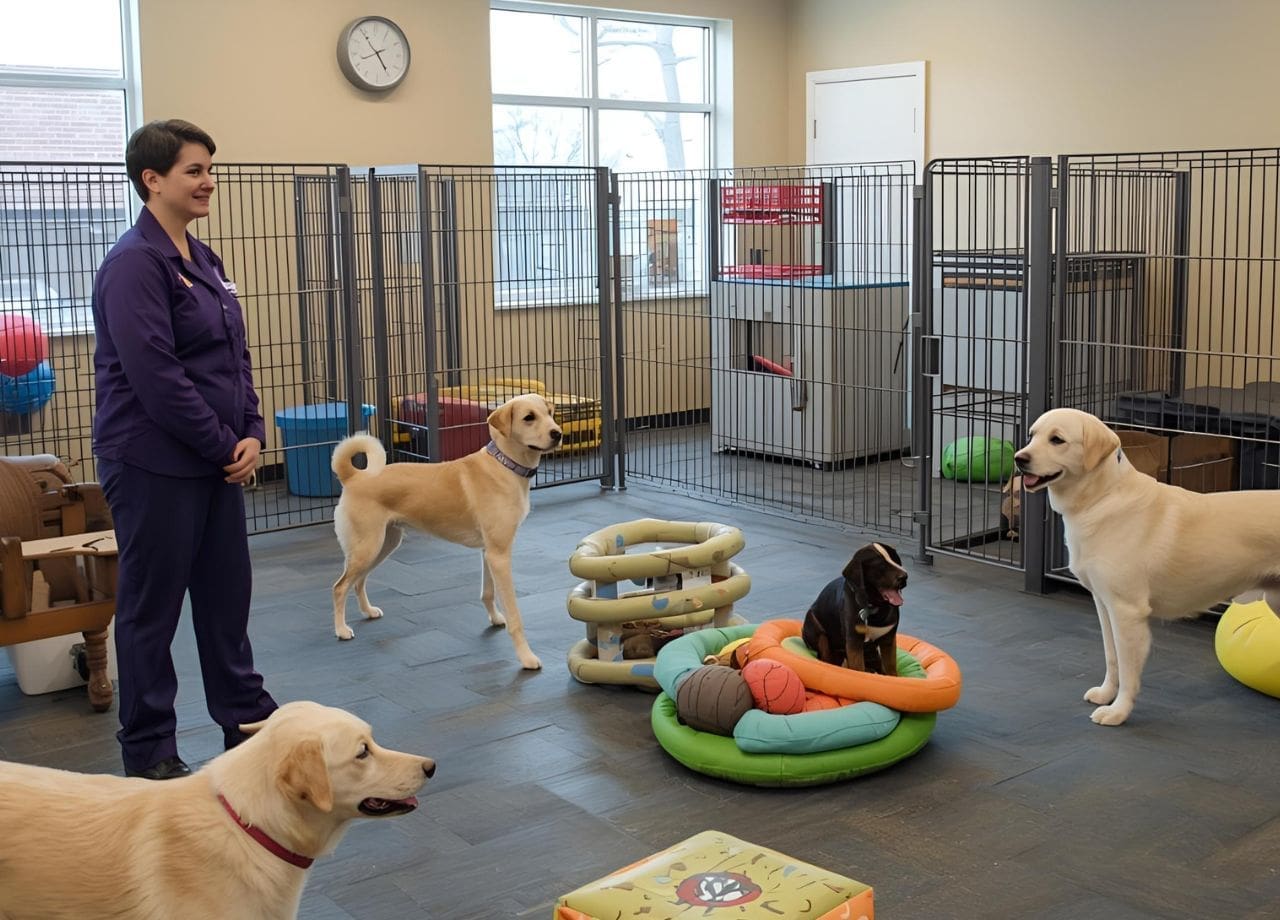
In a quality daycare, your dog’s day is structured around safety, stimulation, and comfort. That means playgroups are thoughtfully matched, facilities are maintained with high sanitation standards, and the team is trained to recognize early signs of stress or illness. Those elements require experience, staffing, and ongoing investment — and that’s one of the first places cost differences emerge.
Cheaper daycare options might cut corners in areas that aren’t immediately visible: fewer staff members supervising more dogs, less frequent cleaning, or limited space for breaks and decompression. On the other hand, facilities that invest in ample supervision, enrichment, and comfort tend to reflect those commitments in their pricing.
Location and Facility Size
Like housing prices, daycare costs can vary significantly based on location. A facility in a high-demand suburban area such as Manassas or Woodbridge will often have higher overhead costs — property, staffing, and maintenance — than one in a more rural area like Bealeton or Midland.
But there’s more to it than just geography. The amount of space each dog has to play, rest, and explore directly influences both the experience and the price. For example, our 14-acre property in Bealeton gives dogs room to run, swim, and enjoy the fresh country air. A smaller, indoor-only facility in a city setting might need to limit group size or activity variety, even if the daily rate looks similar.
When evaluating dog daycare options, consider not only the price tag but what your dog actually receives in return — open space, fresh air, and the freedom to be a dog can be priceless for their physical and mental well-being.
Staff Training and Ratios
This is one of the most important — and least discussed — factors in dog daycare pricing. Proper supervision keeps dogs safe and ensures play remains positive. The industry standard varies, but generally, a lower dog-to-staff ratio means more personalized attention and quicker response to any issues that arise.

Facilities that prioritize small group ratios and ongoing staff education tend to charge a bit more, but that’s because their teams are trained in canine body language, first aid, and group management. They know when to step in, when to let dogs work things out naturally, and how to ensure playtime stays fun rather than stressful.
At Animal Friends’ Pampered Paws, we view this as non-negotiable. Each member of our team is not only experienced but passionate about creating a safe and engaging environment. We see our role as guardians of your dog’s experience — and that kind of care requires time, patience, and the right people.
Play Structure and Enrichment
Not all dog daycares are created equal when it comes to what actually happens during the day. Some simply provide a large play area and minimal supervision, while others, like us, build the day around a mix of social play, rest, and enrichment activities designed to keep dogs mentally stimulated.
Structured enrichment — from swimming sessions to interactive games and puzzle toys — is often a key factor in higher pricing. It’s not just play for play’s sake; it’s designed to engage your dog’s mind and body in healthy ways. Facilities that offer themed play areas, splash zones, agility courses, or group training elements typically reflect those amenities in their rates.
That said, enrichment doesn’t have to be extravagant to be valuable. What matters most is the thoughtfulness behind the schedule: are dogs given a balance of activity and downtime? Are they learning positive behaviors through supervised socialization? Those elements directly affect both your dog’s happiness and the overall cost.
Safety, Cleanliness, and Comfort
Maintaining a clean, secure, and comfortable environment is another major contributor to daycare costs — and rightly so. Quality facilities use veterinary-grade cleaning supplies, follow strict sanitation protocols, and design their spaces to prevent the spread of illness and injury.
Air filtration, climate control, separate rest zones, and properly maintained play surfaces all contribute to your dog’s comfort. While these features might not always be visible during a quick tour, they make a real difference in long-term health and well-being.
Think of it this way: when a daycare invests in the unseen details — flooring that’s easy on joints, fenced play yards designed for safety, and cleaning practices that meet professional standards — they’re protecting your dog’s health. That level of care can slightly increase the daily rate, but it also brings peace of mind that’s worth far more.
Additional Services and Package Options
Many Virginia dog daycares offer more than just playtime. Extras such as training refreshers, grooming, swimming sessions, or transportation can add value and convenience — and naturally affect pricing.
At Animal Friends’ Pampered Paws, for example, our City Slicker, Nature Dog, and Water Dog packages allow families to choose experiences that best fit their dog’s lifestyle and energy level. Whether a pup thrives in outdoor play, loves a swim, or prefers social sessions with a smaller group, these tailored options provide flexibility and enrichment that go beyond standard daycare.
When comparing facilities, look for transparency in pricing and what’s included. Are meals, naps, or special activities extra? Is there a discount for multiple days per week? Some facilities also offer loyalty programs or military discounts, which can make long-term daycare more affordable.
The Value of Peace of Mind
Ultimately, the cost of dog daycare should be viewed through the lens of value, not just price. A cheaper option might save a few dollars per day, but if it comes at the expense of your dog’s safety, health, or happiness, it’s not really a savings at all.
What most of our Virginia clients tell us is that their decision comes down to trust. They want to know their dog is cared for by people who treat them like family — who understand their quirks, keep them safe, and send them home tired, happy, and fulfilled. That’s the kind of value that transcends cost.
As a business, we believe that dog daycare isn’t a luxury; it’s a meaningful part of a dog’s social and emotional development. It gives them the chance to be part of a pack, to learn, to move, and to thrive — and for pet parents, it provides peace of mind that their best friend is in capable, caring hands.
Final Thoughts
So, what affects dog daycare costs? Everything that matters: space, safety, staffing, enrichment, and experience. Prices can fluctuate, but behind every rate is a reflection of a facility’s priorities. When you choose a daycare that values quality over quantity, you’re not just buying a service — you’re choosing a philosophy of care that honors your dog’s individuality.
At the end of the day, our advice is simple: visit the facility, meet the staff, and observe the dogs. Look beyond the numbers and focus on how it feels — because your dog will feel it too.