

Every dog deserves care, comfort, and understanding—even those who struggle with aggression. At Animal Friends’ Pampered Paws, we’ve worked with dogs across all temperaments for more than two decades, and one truth remains constant: aggression isn’t a character flaw; it’s communication. Dogs act out when they’re scared, anxious, protective, or unsure of their surroundings. When it comes time for boarding, these emotions can heighten, especially if the environment isn’t set up with their needs in mind.
We understand that deciding to board an aggressive or reactive dog can feel daunting. Pet parents often worry whether their dog will be misunderstood, rejected, or even mistreated because of their behavior. That’s why preparation—on both sides of the leash—matters so much. Facilities like ours, where safety and individualized care are built into every service, including our specialized boarding programs, take a thoughtful, structured approach to ensure both the dog and the team are set up for success.
Understanding Aggression: Why It Happens and What It Means
Aggression in dogs is complex, and it doesn’t always look like snarling or biting. Sometimes it’s a low growl when another dog passes too close, a snap when touched unexpectedly, or a defensive stance around food or toys. These are stress responses, not signs of a “bad dog.”
The first step to preparing a dog for boarding is understanding where that behavior comes from. Fear-based aggression is often the most common, and it’s rooted in insecurity rather than dominance. A dog who has had negative experiences with other dogs, people, or unfamiliar environments may feel threatened more easily. Territorial aggression can appear when a dog feels the need to guard space, while frustration-based aggression might emerge from overstimulation or a lack of controlled exercise.
Recognizing these triggers helps a boarding facility like ours develop a management plan that prioritizes calm, predictable routines. Our goal is always to meet the dog where they are—emotionally and behaviorally—so they can feel secure and respected during their stay.
Choosing the Right Boarding Facility for a Dog with Behavioral Challenges
Not all boarding environments are suitable for dogs with aggression issues, and that’s okay. The right facility is one that values safety, structure, and transparency above all else. When evaluating where to board your dog, look for staff who are not only comfortable handling challenging behaviors but are trained to interpret canine body language accurately.
Ask about protocols for introducing dogs to new spaces and people. At Animal Friends’ Pampered Paws, for example, we never rush introductions. We use gradual exposure, positive reinforcement, and calm, consistent handling to build trust before expecting a dog to settle in. Some dogs may need to be housed separately from others, and that’s perfectly normal—it’s about creating an environment where your dog can thrive without unnecessary stressors.
Also, observe how the facility maintains safety. Double-gated entries, secure fencing, and flexible play schedules are essential. Even something as simple as the layout of indoor and outdoor runs can influence a dog’s comfort. Dogs prone to resource guarding or overexcitement should have clearly defined spaces that minimize visual triggers, especially during feeding or play transitions.
Preparing Your Dog for Boarding: Steps to Set Them Up for Success
Preparation starts long before check-in day. One of the most effective ways to reduce a reactive dog’s anxiety is through gradual exposure to new environments and people. Schedule short visits to the facility before the actual stay. Let your dog sniff around, meet staff members at their own pace, and learn the new smells and sounds. These pre-visits help form positive associations and reduce the unknowns that fuel anxiety.
It’s also vital to communicate openly with the boarding team. Share everything you know about your dog’s triggers and routines. Transparency is not only helpful—it’s necessary. Details like whether your dog is toy or food aggressive, how they react to confinement, and what their stress signals look like help staff adjust care accordingly.
For some dogs, pairing boarding with a structured activity like professional training sessions can be transformative. We’ve found that when dogs engage their minds through training or enrichment games during their stay, it redirects their energy in positive ways and reduces the likelihood of reactive behaviors.
At home, you can also reinforce calmness before the boarding date. Practice crate time, handling exercises, and reward calm responses to mild stressors. The goal isn’t to “fix” aggression overnight but to equip your dog with coping tools that make boarding less overwhelming.
What to Expect During Your Dog’s Stay
When a dog with a history of aggression arrives for boarding, our first responsibility is to observe and assess without judgment. Every dog is an individual, and how they behave at home can differ once they’re in a new setting. Some dogs surprise their owners by adapting quickly when routines are predictable and boundaries are clear. Others need more time to decompress.
In our experience, structured days make all the difference. Predictable feeding times, walks, and enrichment reduce uncertainty, and uncertainty is often the root of reactive behavior. Dogs who thrive on consistency feel more secure when their environment follows a rhythm.
Safety protocols are always non-negotiable. For dogs who are reactive toward others, we design private exercise sessions and one-on-one attention with trained handlers. The goal is not isolation—it’s security. Once a dog feels safe, we can often expand their comfort zone gradually, perhaps introducing controlled visual contact or parallel walks with calm dogs nearby.
Monitoring body language is an ongoing process. Staff members note subtle changes—like tension in the shoulders, lip licking, or avoidance behaviors—that signal stress before escalation occurs. By staying observant, we can intervene early and redirect focus through calm cues or enrichment.
Owners often ask if their dog will be muzzled or separated the entire time. The answer depends on each dog’s specific behavior. We use muzzles only when absolutely necessary and always in a positive, conditioning-based way. The goal is to create safety, not punishment.
How You Can Support the Boarding Process from Home
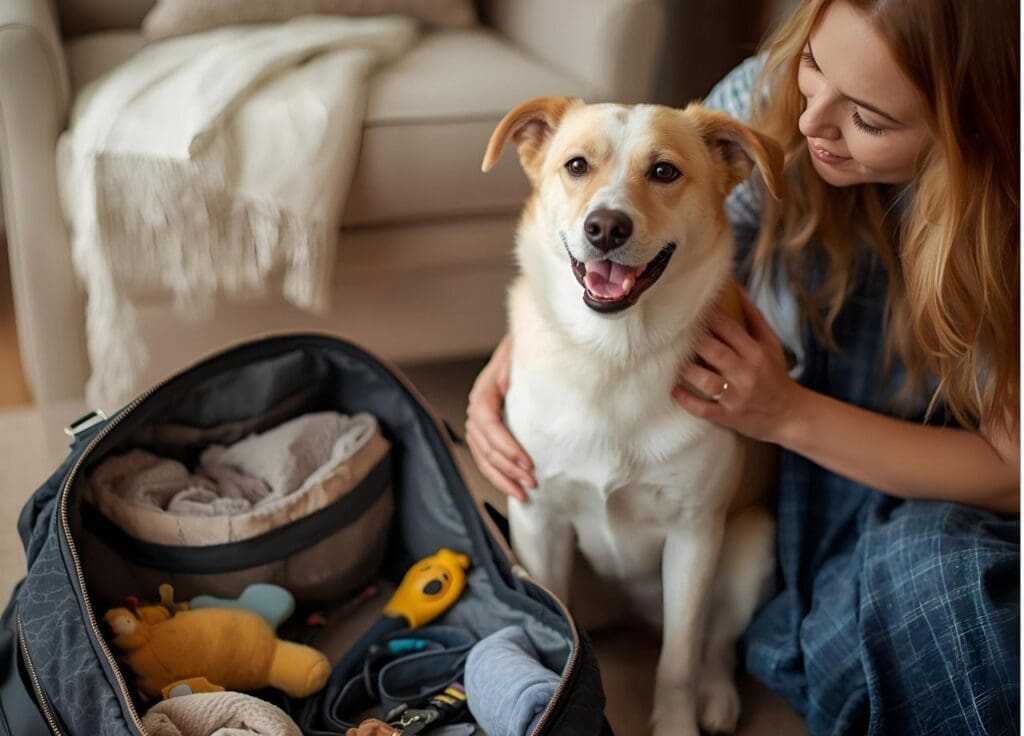
Your role as a pet parent doesn’t end once your dog checks in—it begins long before and continues after. Bringing familiar items like a favorite blanket, toy, or even a T-shirt that smells like home can provide comfort and a sense of continuity. Dogs rely heavily on scent, and those familiar smells can lower anxiety levels significantly.
Stay calm and confident during drop-off. Dogs are intuitive and can sense our emotions. If you linger nervously or express worry, your dog may mirror that energy. Instead, project calm assurance that this is a safe, positive experience. Quick, confident goodbyes often lead to smoother transitions.
After boarding, give your dog time to decompress when returning home. Even well-managed stays are stimulating. A quiet evening, gentle exercise, and predictable routines help them readjust. Avoid high-stimulation activities or crowded spaces immediately afterward until your dog shows signs of being fully relaxed.
Compassion Over Judgment: The Heart of Our Approach
One of the hardest realities for pet owners of aggressive dogs is feeling isolated or judged. Too often, these dogs are labeled “untrainable” or “dangerous,” when in truth, they simply need understanding and structure. At Animal Friends’ Pampered Paws, we believe every dog deserves compassionate care, even when that care looks a little different.
Our job isn’t just to house a dog—it’s to listen to what they’re trying to tell us through their behavior. That’s why we take the time to learn their boundaries, respect their individuality, and create an environment that’s not about control but cooperation.
Aggression, when managed correctly, doesn’t have to be a barrier to boarding. It can be an opportunity to strengthen trust, improve confidence, and help your dog experience comfort away from home. With preparation, honest communication, and the right team, even dogs with challenging behaviors can enjoy a safe, positive boarding experience.
Final Thoughts
Boarding an aggressive dog requires courage, patience, and partnership between you and the facility you choose. It’s not about expecting perfection—it’s about creating safety, understanding triggers, and setting realistic goals.
At Animal Friends’ Pampered Paws, we’ve seen remarkable transformations when a dog finally feels seen and supported instead of judged. Whether your dog is fearful, reactive, or simply misunderstood, boarding can be a healing experience when approached with empathy and skill.
If you’re preparing your dog for an upcoming stay, start early, communicate openly, and remember—you and your dog are not alone. With the right preparation and compassionate care, even the most reactive dogs can find comfort, balance, and trust in a safe boarding environment.