

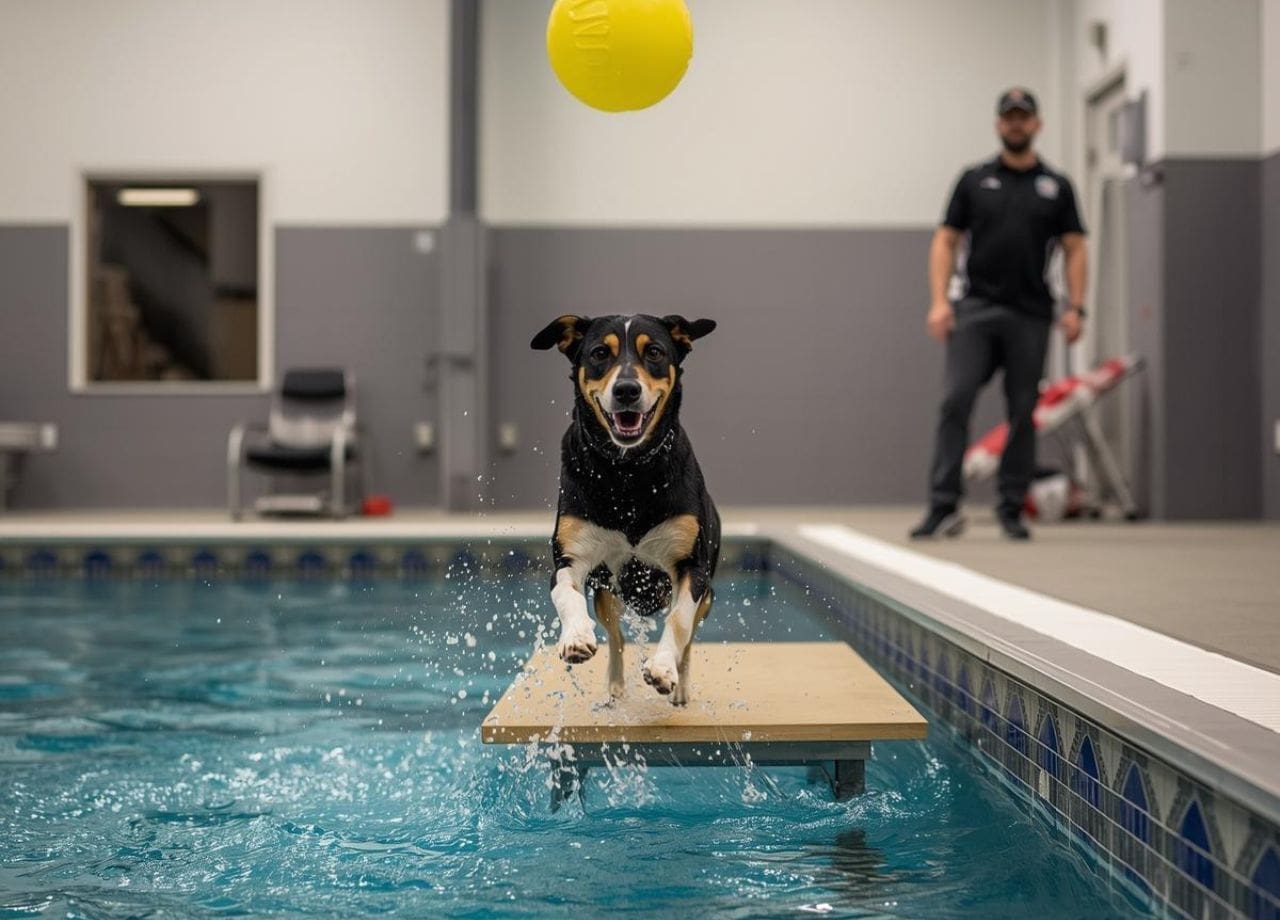
There is something unforgettable about the first time you see a dog launch off a dock with complete joy and zero hesitation. It is not cautious. It is not calculated. It is pure instinct and trust. Over the years at Animal Friends’ Pampered Paws, watching dogs build confidence in the water has been one of the most rewarding parts of what we do. Our swimming sessions give dogs a safe, structured environment to move their bodies and burn off energy in ways land simply cannot provide. And when dock diving toys enter the picture, that experience transforms from fun to extraordinary.
Dock diving is not just about distance or competition. For many dogs, it is about confidence building, mental stimulation, and channeling drive into something productive. The right toy plays a bigger role in that process than most people realize. A poorly chosen toy can frustrate a dog or even discourage them from jumping. The right one can unlock athleticism and focus that surprises even seasoned dog owners.
We have worked with high drive retrievers, hesitant first time swimmers, aging dogs rediscovering mobility, and everything in between. Through all of it, one truth remains consistent. The toy matters.
Understanding What Makes a Great Dock Diving Toy
Not every fetch toy belongs at the dock. A toy that performs beautifully in a backyard may completely fail in open water. Dock diving toys must meet very specific criteria to be effective and safe.
First, buoyancy is non negotiable. A toy should float high enough in the water that a dog can easily see and grab it without frustration. Toys that partially sink force dogs to dive deeper than intended, which can be discouraging and physically taxing. For dogs still building confidence in the pool, a highly visible floating toy can make the difference between a hesitant hop and a committed leap.
Second, visibility matters. Bright colors such as neon orange, lime green, or vibrant yellow stand out against blue water and natural backdrops. Dogs rely heavily on contrast. When a toy disappears visually against reflections or shadows, it interrupts the flow of the jump. In dock diving, momentum and clarity of target are everything.
Durability is the third pillar. The force of a powerful retriever hitting the water and clamping down on a toy is significant. Toys must withstand repeated impact and strong jaws without breaking apart. We have seen toys split mid session, which can distract a dog and create unnecessary safety concerns.
Lastly, the toy must be comfortable to grip. A dog in motion needs something that fits naturally in their mouth. Hard edges or awkward shapes can cause dogs to readjust mid swim, slowing their return and diminishing enthusiasm.
The Most Effective Types of Dock Diving Toys
Over the years, certain categories of toys consistently perform well. While brand preference can vary, the structure and function tend to follow predictable patterns.
Floating Retrieval Bumpers
Floating bumpers are one of the most reliable choices for dock diving. They are typically cylindrical, easy to grip, and designed to float upright. That upright float makes them highly visible in the water and easy for a dog to snatch in one confident bite.
Bumpers are particularly excellent for dogs already familiar with structured retrieve work. Sporting breeds such as Labradors, Goldens, and Chesapeake Bay Retrievers tend to lock onto bumpers instinctively. Their balanced weight allows for impressive throwing distance without sacrificing control. From a training perspective, bumpers create consistency, and consistency builds performance.
Foam and Soft Floating Discs
While traditional flying discs have a place in dry land fetch, not all are suited for water. Foam based floating discs designed specifically for aquatic use are a different story. They skim across the water’s surface and remain visible even in choppy conditions.
These discs are fantastic for dogs that love tracking movement. The horizontal glide across the water encourages forward drive and often results in longer jumps. We have seen dogs extend their stride mid air simply because the visual path of the toy gave them clarity and purpose.
It is important to avoid hard plastic discs at the dock. They can be harsh on teeth and may not float reliably. Water specific foam discs offer flexibility and buoyancy that make them far more appropriate.
Rope Toys Designed for Water
Not all rope toys belong in the pool. Many absorb water and become heavy, which changes their throw trajectory and makes retrieval less appealing. However, rope toys made from floating synthetic fibers can work beautifully in dock diving environments.
These toys are especially useful for dogs motivated by tug. The rope texture gives them a satisfying grip and can serve as a reward immediately upon return. When working with high drive dogs, transitioning from jump to tug session reinforces the behavior in a powerful way.
We caution owners to inspect rope toys frequently. Fraying fibers can present a choking hazard if not monitored.
Rubber Fetch Toys Built for Impact
Certain rubber toys engineered for high impact sports also perform well in dock diving. The key is selecting models that float reliably and are not overly dense. Lightweight, hollow rubber constructions tend to work best.
Dogs that prefer a firmer mouth feel often gravitate toward rubber toys. These can be especially effective for strong chewers who destroy softer materials quickly. When selecting rubber options, always prioritize those specifically labeled for water use to ensure they remain buoyant and visible.
Matching the Toy to the Dog
One of the biggest mistakes we see is owners choosing a toy based on personal preference rather than their dog’s drive style. Dock diving is not a one size fits all sport. The toy should complement the dog’s natural instincts.
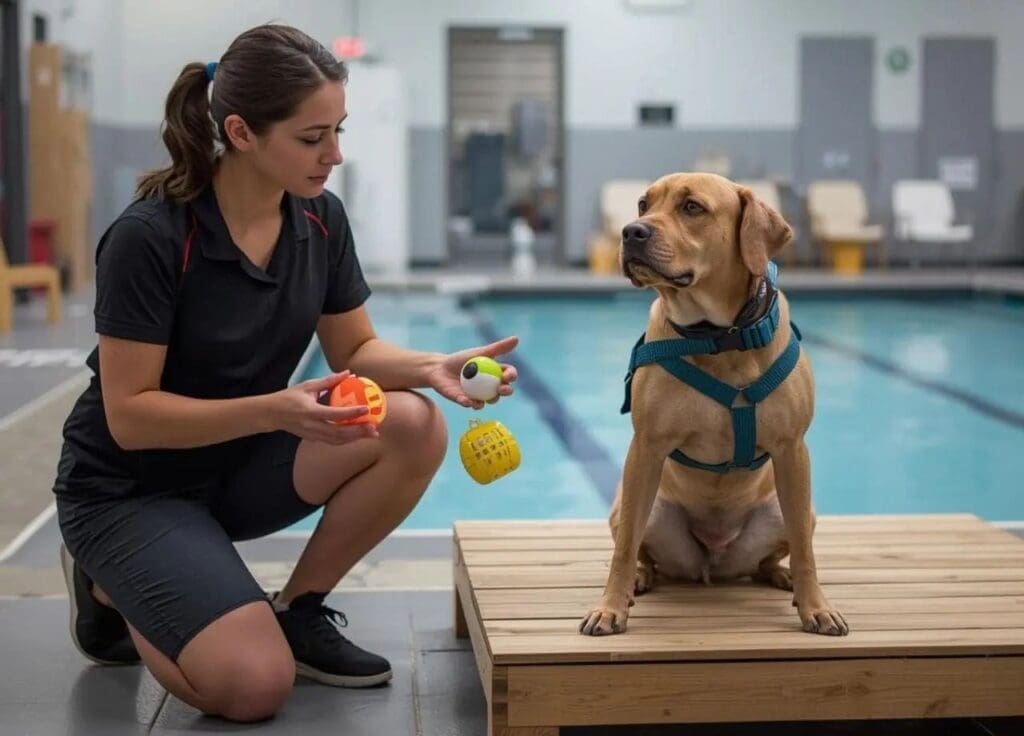
High prey drive dogs often respond best to toys that move dynamically through the air and water. A gliding disc or elongated bumper gives them a clear target to chase. Dogs with strong retrieve foundations may excel with traditional bumpers that replicate field work.
More cautious dogs benefit from highly visible, soft floating toys that land gently and remain stationary. When introducing a new dog to the water at our facility, we frequently begin with a brightly colored floating bumper. It creates predictability and reduces hesitation.
Age and physical condition also play a role. Senior dogs or those recovering from minor injuries may prefer lighter toys that require less explosive launch. Dock diving can be a low impact way to build muscle when supervised properly, but the toy should never encourage overexertion.
Safety Considerations That Matter More Than Distance
Dock diving competitions often focus on how far a dog can jump. In our experience, safety and joy matter more than inches. The right toy contributes to that philosophy.
Avoid toys small enough to be swallowed. Excited dogs can clamp down without full awareness, especially when adrenaline is high. Toys should be large enough to prevent accidental ingestion yet comfortable to carry.
Inspect toys before every session. Cracks, splits, or loose components should be addressed immediately. Water can mask damage that would be obvious on dry land.
Rotate toys periodically to maintain enthusiasm. Dogs, like people, can grow bored with repetition. Introducing a new texture or color occasionally can reignite excitement and focus.
Hydration and rest are also essential. Dock diving is physically demanding. Even strong swimmers benefit from structured breaks between jumps. At our pool, we monitor body language closely. A dog that begins shortening their stride or hesitating at the dock is telling you something. Listening to that signal protects both performance and long term health.
Training with Dock Diving Toys
A toy is only as effective as the training approach behind it. Dock diving should build confidence, not pressure. We encourage owners to start on land. Practice focused retrieves, reinforce solid holds, and ensure your dog understands the reward structure.
Gradually transition to shallow water retrieves before progressing to full dock launches. Allow the dog to succeed early and often. Enthusiasm compounds quickly when a dog feels successful.
Reward timing matters. Praise should be immediate and genuine. For dogs motivated by tug, engaging with the toy upon return can be a powerful reinforcement tool. For food motivated dogs, pairing the toy retrieval with a high value treat strengthens the association.
If a dog refuses to jump, never force the issue. Confidence cannot be rushed. Some of the most impressive jumpers we have seen began as hesitant swimmers. Patience and the right toy often unlock potential in surprising ways.
Why We Believe Water Changes Dogs for the Better
After two decades working with dogs across Midland, Warrenton, Remington, Manassas, Bristow, Catlett, Woodbridge, Culpeper County, and Prince William County, we have developed a deep respect for what structured aquatic exercise can do. Water supports joints, builds muscle evenly, and channels energy in a way few other activities can.
Dock diving toys are not just accessories. They are tools that shape experience. They build drive, refine focus, and deepen the bond between dog and handler. When used thoughtfully, they turn a simple jump into a shared moment of trust.
We have seen timid dogs grow bold, restless dogs find direction, and senior dogs rediscover playful spark. That transformation rarely begins with a command. It begins with excitement. And often, that excitement is tied directly to the toy flying through the air.
If you are considering introducing your dog to dock diving, start with quality equipment and realistic expectations. Choose a toy designed for water. Watch your dog’s response. Adjust as needed. Most importantly, let the process remain joyful.
Water has a way of revealing the heart of a dog. When they run toward the dock without hesitation, eyes locked on that bright floating target, you see it clearly. It is trust, confidence, and pure happiness in motion. And in our experience, the right dock diving toy helps bring that moment to life.