

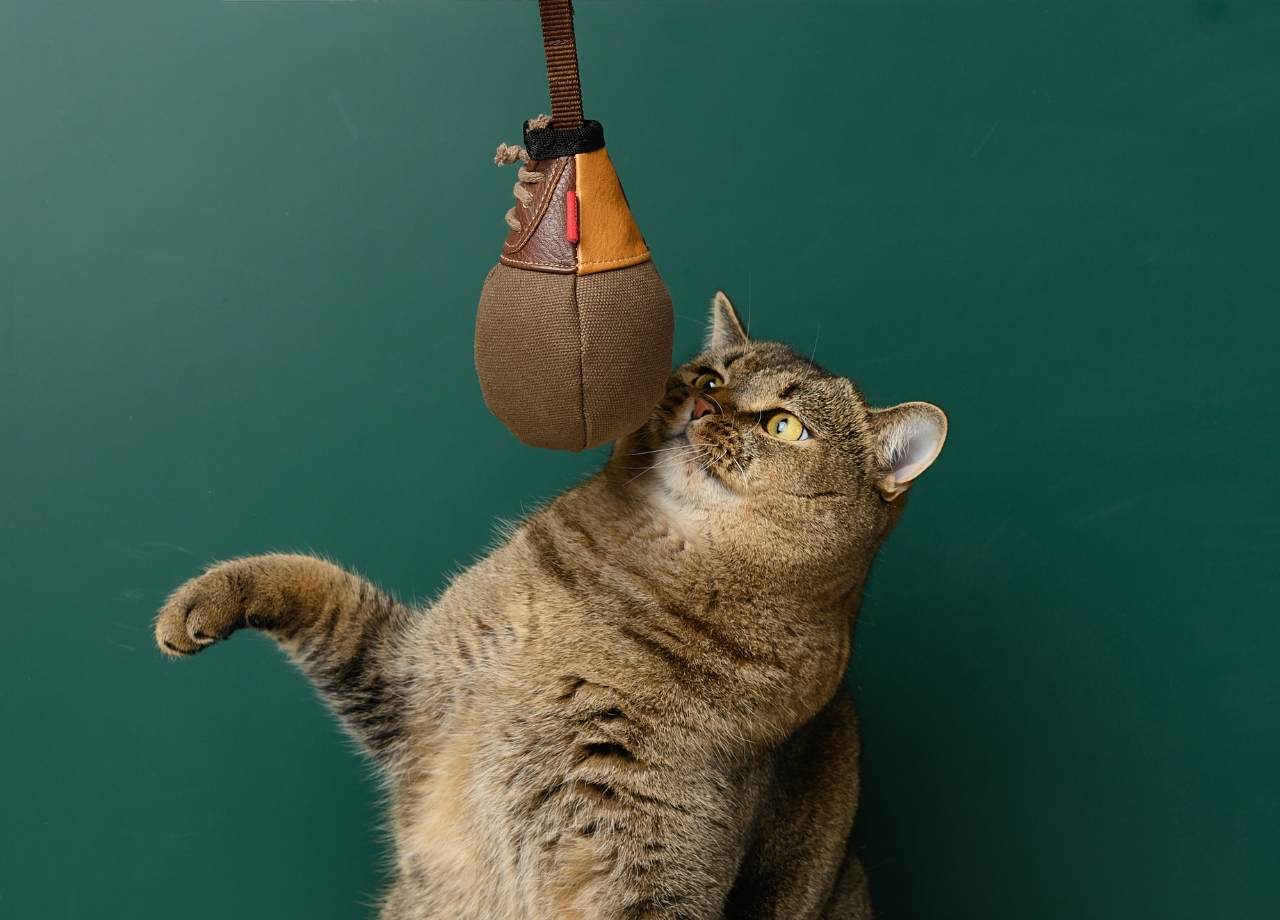
Cats are often misunderstood as low-maintenance pets who are content to nap all day and quietly observe the world from a sunny windowsill. While rest is certainly a cherished part of a cat’s routine, the truth is that cats are intelligent, curious animals with deep instincts that need outlets. When those instincts are ignored, boredom can set in quickly, and bored cats often become stressed, destructive, or withdrawn.
At Animal Friends’ Pampered Paws, we spend our days caring for animals who thrive on engagement and positive stimulation. While much of our daily work revolves around dogs through boarding, daycare, and training, our team has always believed that every animal deserves an environment that challenges their mind and honors their natural behaviors. Enrichment is not just a luxury for pets. It is a core component of their well-being.
For cat owners, enrichment means intentionally creating opportunities for your cat to hunt, explore, climb, problem solve, and interact with their environment. When done well, enrichment activities can dramatically improve a cat’s physical health, emotional balance, and overall quality of life.
Understanding Why Cats Need Enrichment
Domestic cats may live indoors, but their instincts remain those of a hunter. In the wild, a cat would spend a large portion of the day tracking prey, stalking, climbing, and navigating territory. Even after thousands of years of domestication, that biological blueprint remains firmly in place.
When cats are confined to an environment that offers little stimulation, those instincts have nowhere to go. This often leads to behaviors that owners find frustrating. Scratching furniture, attacking ankles, nighttime zoomies, and excessive vocalizing are often signs of a cat whose mental energy has no productive outlet.
Enrichment activities allow cats to perform pieces of the hunting sequence they are naturally driven to complete. These include searching, stalking, chasing, capturing, and sometimes even problem solving. When a cat experiences these behaviors regularly, they tend to be calmer, more confident, and more satisfied in their environment.
Enrichment also helps prevent obesity and joint issues. Indoor cats typically burn far fewer calories than their outdoor counterparts. Engaging activities encourage movement, jumping, stretching, and exploration, all of which support long-term physical health.
Creating a Home That Encourages Exploration
One of the most effective ways to enrich your cat’s life is by designing your home with their natural tendencies in mind. Cats are both predators and prey animals, which means they instinctively seek elevated vantage points where they can observe their surroundings safely.
Vertical spaces are incredibly important for cats. Cat trees, window perches, wall-mounted climbing shelves, and tall scratching posts all allow cats to survey their territory from above. When a cat can move both horizontally and vertically through their environment, the space becomes far more interesting and stimulating.
Window views are another valuable enrichment opportunity. A simple perch near a window overlooking trees, birds, or neighborhood activity can keep a cat entertained for long periods. Some owners even install bird feeders outside their windows to create a safe and engaging viewing experience.
Safe hiding spots also matter. Cats appreciate areas where they can retreat and relax without disturbance. Covered beds, cardboard boxes, and tunnel toys give cats a sense of security while still allowing them to observe the world around them.
Interactive Play That Mimics the Hunt
While environmental enrichment is important, interactive play between owner and cat remains one of the most powerful tools for engagement.
Cats respond strongly to toys that replicate the movements of prey animals. Wand toys with feathers, ribbons, or fabric attachments are particularly effective because they allow owners to mimic the unpredictable movements of birds or small animals.
The key to successful play is movement variety. Instead of simply waving the toy in front of your cat, try dragging it across the floor, hiding it behind furniture, or making it dart quickly around corners. These unpredictable movements activate your cat’s hunting instincts and keep them mentally engaged.
Short play sessions performed daily are far more beneficial than occasional long sessions. Ten to fifteen minutes of focused interactive play once or twice a day can dramatically improve a cat’s mood and behavior.
Ending play sessions with a small meal or treat can also replicate the natural hunt-eat-rest cycle that cats follow in the wild. This sequence often helps cats relax afterward rather than continuing to seek stimulation in less desirable ways.
Puzzle Feeders and Food-Based Enrichment
Feeding time presents another excellent opportunity for enrichment. Instead of offering all meals in a traditional bowl, puzzle feeders can transform eating into an engaging challenge.
Puzzle feeders require cats to manipulate objects, move pieces, or extract kibble from compartments before they can eat. These simple devices stimulate problem solving and slow down fast eaters, which can improve digestion.
There are many commercial puzzle feeders available, but enrichment does not have to be complicated or expensive. A cardboard egg carton with small pieces of kibble placed inside each section can create an engaging food puzzle. Paper bags with treats hidden inside can also encourage exploration.
Food scavenger hunts are another popular option. Hiding small portions of kibble around a room encourages cats to search and explore, activating their natural foraging instincts.
Sensory Enrichment and Environmental Variety
Cats experience the world through powerful senses, and sensory enrichment can add a new layer of interest to their environment.
Catnip is one of the most well-known enrichment tools, but it is not the only one. Silvervine and valerian root are also known to stimulate playful responses in many cats. Rotating these scents periodically keeps the experience fresh and exciting.
Textures can also be stimulating. Scratching posts made from sisal, cardboard, wood, or carpet each offer different tactile experiences. Providing multiple scratching surfaces helps cats maintain healthy claws while also fulfilling their instinct to mark territory.
Sound can also play a role in enrichment. Some cats enjoy listening to nature sounds or watching videos designed specifically for feline audiences that feature birds, fish, and small animals. While these should not replace real playtime, they can add variety to a cat’s day.
Rotating Toys to Prevent Boredom
One mistake many owners make is leaving every toy available all the time. While it may seem generous, constant access can actually reduce a toy’s appeal.
Cats respond strongly to novelty. When toys remain out for weeks without change, they quickly lose their excitement factor. Rotating toys every few days keeps the environment dynamic and surprising.
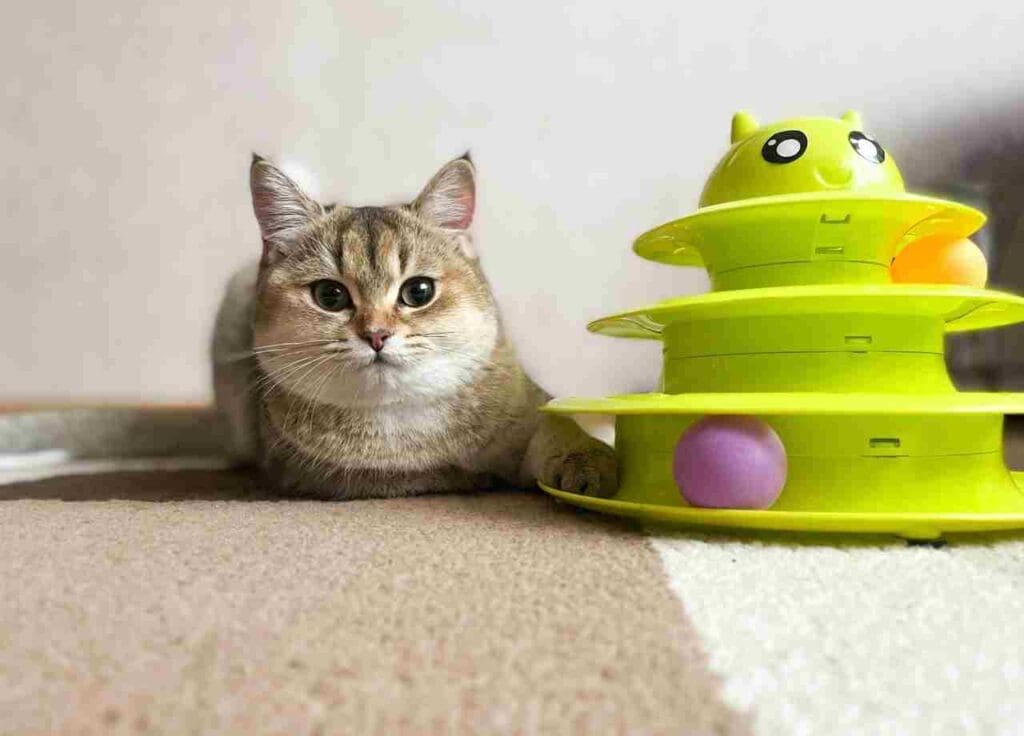
You might keep several small bins of toys and switch them regularly. A toy that disappears for a week or two can feel brand new when it returns.
This simple strategy keeps play sessions fresh without requiring constant purchases or complicated setups.
Enrichment for Multi-Cat Homes
Homes with multiple cats introduce additional enrichment considerations. Cats are social to varying degrees, but they still maintain strong territorial instincts.
Providing multiple resource stations is essential. This means separate food bowls, water stations, litter boxes, and resting areas. Competition for resources can create tension and reduce opportunities for relaxed exploration.
Multiple climbing structures and perches allow cats to establish comfortable personal spaces while still sharing the same environment. Interactive play should also include each cat individually whenever possible to ensure that more confident cats do not dominate the activity.
Careful enrichment planning can transform a multi-cat home into a peaceful and stimulating environment where each cat feels secure.
Recognizing When a Cat Needs More Stimulation
Cats often communicate boredom in subtle ways. Owners may notice increased nighttime activity, destructive scratching, sudden aggression during play, or persistent attempts to escape outdoors.
Weight gain can also signal a lack of physical engagement. Cats that spend most of their time sleeping without stimulation are more likely to become sedentary.
Introducing enrichment activities gradually can have a noticeable impact on these behaviors. Many owners report that once their cats have regular opportunities to hunt, climb, and problem solve, their overall temperament improves significantly.
Enrichment Strengthens the Bond Between Cats and Their Owners
One of the most overlooked benefits of enrichment is the relationship it builds between cats and their people. Interactive play, exploration, and shared routines create trust and communication.
Cats that feel mentally stimulated and physically satisfied tend to be more affectionate and confident. They are also more likely to seek positive interaction rather than attention-seeking behaviors that stem from frustration.
As pet care professionals who work with animals every day, we see firsthand how powerful thoughtful engagement can be. Animals that receive consistent mental stimulation tend to be calmer, more adaptable, and more emotionally balanced.
A Happier Life for Indoor Cats
Indoor cats can live long, healthy lives, but their environment must support their instincts. Enrichment activities are not simply entertainment. They are a way of honoring the natural behaviors that define what it means to be a cat.
By providing opportunities to hunt, explore, climb, and solve problems, owners create an environment where cats can thrive rather than simply exist.
The good news is that enrichment does not require complicated equipment or elaborate setups. Often, the most meaningful engagement comes from simple moments of play, curiosity, and discovery shared between a cat and the people who care for them.
When cats are mentally and physically fulfilled, their personalities shine in remarkable ways. They become more playful, more confident, and more connected to the world around them. And for those of us who truly love animals, there is nothing more rewarding than seeing that spark of curiosity come to life.