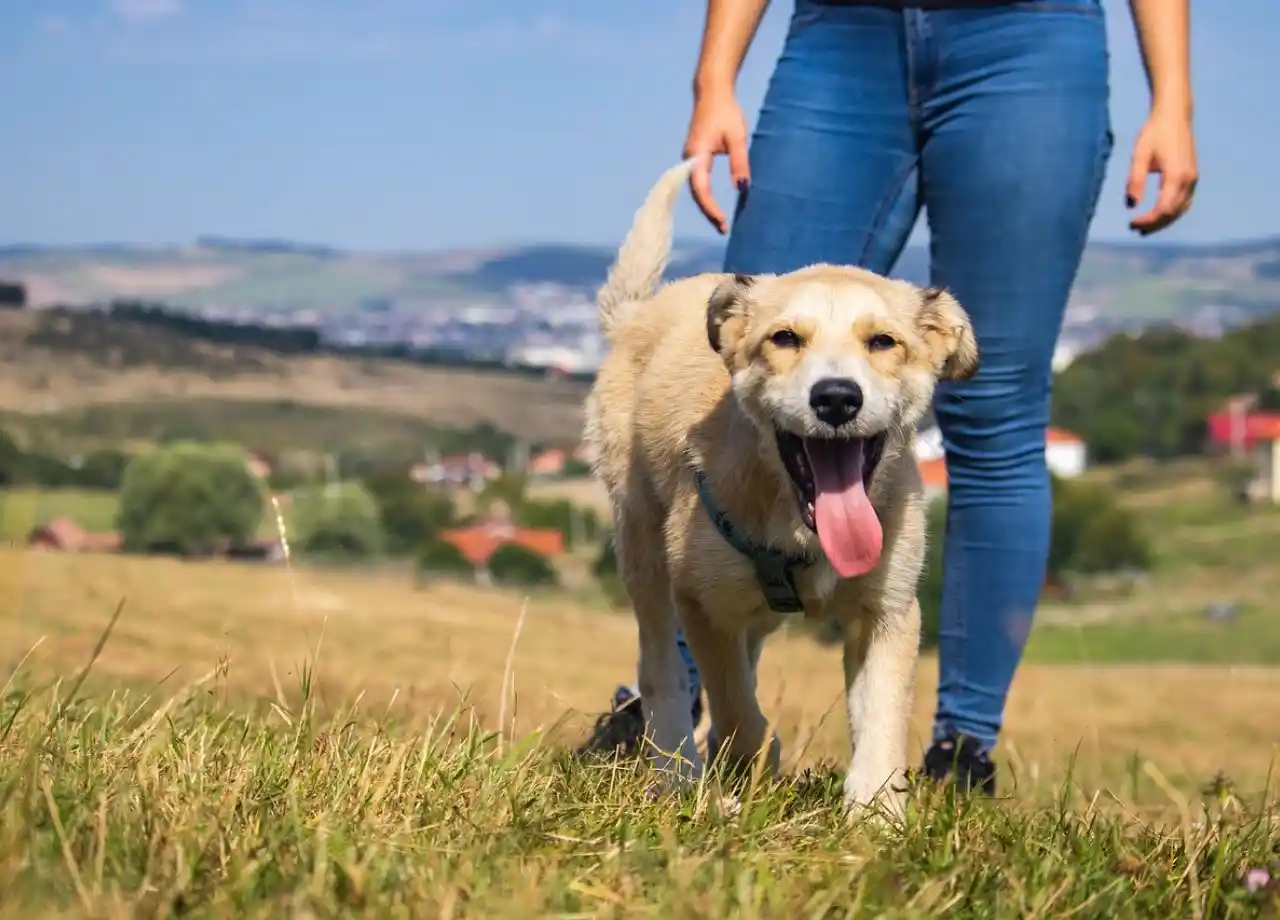
Northern Virginia is one of the best places in the country to explore the outdoors with dogs. Between the wooded trails near Warrenton, the open spaces around Culpeper County, and the countless creeks and hiking paths stretching through Prince William County and beyond, there is no shortage of adventure for active pets and their people. We see it every day at Animal Friends’ Pampered Paws. Dogs thrive when they can run, sniff, swim, and experience the world outside the backyard fence.
But with all that freedom comes a reality every Northern Virginia pet owner needs to take seriously. Tick populations are thriving here. Standing water and muddy trails increase exposure to leptospirosis. Mild winters are extending parasite seasons longer than many longtime dog owners realize. The risks are not hypothetical anymore. They are part of routine pet care in our region.
We spend a great deal of time outdoors with dogs on our own property, including supervised outdoor play and swimming activities, so trail and field safety is something our team pays close attention to year-round. We believe dogs deserve active, enriching lives, but we also believe prevention and awareness matter just as much as exercise and fun.
Why Northern Virginia Has Become a Hotspot for Tick-Borne Illness
Northern Virginia’s climate has created ideal conditions for ticks. Dense woods, humid summers, expanding deer populations, and increasingly mild winters have all contributed to a noticeable rise in tick activity across Fauquier County, Prince William County, and surrounding areas. Many pet owners still think of ticks as a summer issue, but in reality, we now see exposure risks from early spring well into late fall, and sometimes even during warmer winter stretches.
The black-legged tick, often called the deer tick, is the primary carrier of Lyme disease in this region. What makes these ticks particularly difficult is how small they are. Nymph-stage ticks can be no larger than a poppy seed, which means they are easy to miss during casual grooming or quick post-walk checks.
Dogs do not need to hike deep into the mountains to encounter ticks. We regularly remind pet owners that exposure often happens in everyday places: neighborhood trails, grassy park edges, wooded backyards, and even around ponds or creek beds. Ticks tend to wait in tall grass and brush, attaching themselves when animals pass by. A simple morning walk can become a point of exposure if precautions are not in place.
The challenge is that many dogs infected with Lyme disease may not show symptoms immediately. Some remain asymptomatic for months. Others begin displaying vague signs that can easily be mistaken for soreness or fatigue after activity.
Understanding Lyme Disease in Dogs
Lyme disease is caused by a bacterium transmitted through tick bites. Once infected, a dog may develop symptoms that range from subtle to severe depending on the individual immune response and how quickly treatment begins.
One of the most common early signs is shifting leg lameness. A dog may limp one day, seem better the next, then suddenly favor another leg later in the week. We also encourage owners to pay attention to changes in energy levels. Dogs that suddenly seem reluctant to hike, play, jump into the car, or participate in normal activities may be telling you something important.
Fever, swollen joints, decreased appetite, and lethargy can all accompany Lyme disease. In more serious cases, Lyme-related kidney complications can develop, particularly if the condition goes undiagnosed for an extended period. Kidney involvement can become life-threatening and requires immediate veterinary attention.
One of the misconceptions we hear fairly often is that removing a tick immediately guarantees safety. Prompt removal absolutely helps reduce risk, but it is not a perfect safeguard. Timing matters, but so does consistency with preventive care and monitoring.
Vaccination conversations are becoming increasingly common in our area because veterinarians are seeing more exposure cases than they did a decade ago. Every dog’s lifestyle is different, so there is no universal answer, but highly active outdoor dogs often benefit from a layered prevention approach that includes veterinary-approved preventives, regular grooming, routine tick checks, and discussions about Lyme vaccination with their veterinarian.
The Growing Concern Around Leptospirosis
While ticks receive most of the attention, leptospirosis is another disease Northern Virginia dog owners should not overlook. Leptospirosis, often shortened to “lepto,” is a bacterial disease spread through contaminated water, soil, or wildlife urine. Raccoons, rodents, deer, and other wildlife can carry the bacteria without appearing sick.
For dogs that love trails, puddles, creeks, ponds, and muddy areas, exposure risk increases significantly.
This disease tends to surge after periods of heavy rain or flooding, which is one reason veterinarians across Virginia have become more vocal about prevention in recent years. Standing water creates ideal conditions for bacteria to survive. Dogs do not necessarily need to swim in contaminated water to become infected. Drinking from puddles or walking through muddy runoff can sometimes be enough.
Unlike Lyme disease, leptospirosis can spread to humans, making it a genuine public health concern in addition to a veterinary one. That zoonotic component is one reason veterinary professionals take suspected lepto cases very seriously.

Symptoms often begin suddenly. Vomiting, diarrhea, fever, muscle tenderness, dehydration, and severe lethargy are common early signs. Some dogs also develop jaundice or signs of kidney and liver distress as the disease progresses. Early veterinary intervention is critical because severe cases can escalate quickly.
Fortunately, vaccination has become an effective preventive tool for many dogs, especially those with active outdoor lifestyles. Years ago, some owners hesitated because older vaccines had a reputation for side effects, but modern leptospirosis vaccines are generally much safer and better tolerated than earlier versions. Most veterinarians in Northern Virginia now strongly recommend discussing lepto vaccination for dogs that spend time outdoors.
Trail Safety Starts Before You Leave Home
Many people think trail safety begins once they reach the hiking path, but the most important decisions happen beforehand. Preventive care is the foundation of safe outdoor adventures.
Consistent flea and tick prevention should not be seasonal in Northern Virginia anymore. The idea that parasites disappear after the first frost simply does not reflect current conditions. Warmer winters have changed the timeline dramatically. Missing even one month of prevention can create an opening for exposure.
Before heading outdoors, we encourage owners to think practically about where they are going. Trails with overgrown vegetation, high grass, dense brush, and standing water naturally increase exposure risks. Staying near the center of trails and avoiding thick undergrowth can reduce tick encounters substantially.
Hydration planning also matters more than many people realize. Dogs should always have access to clean drinking water during hikes. Allowing pets to drink from stagnant puddles, muddy pools, or slow-moving creek edges significantly increases leptospirosis risk.
Physical conditioning is another overlooked piece of trail safety. Dogs that are suddenly pushed into strenuous activity after long periods of inactivity may become exhausted more quickly, making them less resilient overall. Healthy outdoor activity should build gradually, especially during hot Virginia summers.
What to Do Immediately After Outdoor Adventures
Pool events should always prioritize emotional and physical safety over high-energy entertainment. A good canine pool environment is not about chaos. It is about controlled fun.
That starts with water safety itself. Not all dogs are naturally buoyant, and breed structure plays a role in swimming ability. Bulldogs, pugs, and other brachycephalic breeds may fatigue more quickly in water due to body shape and respiratory limitations. Older dogs may also require shorter swim sessions and more rest breaks.
Sanitation is equally important. Properly maintained canine pools require consistent monitoring and cleaning protocols to protect dogs from irritation or illness.
Temperature management matters too, particularly during Virginia summers. Dogs can overheat surprisingly fast during high-intensity group play. Experienced handlers monitor for signs of exhaustion, overheating, or stress throughout the event.
This is one reason many owners appreciate professionally managed facilities over informal backyard gatherings. Supervised environments create safer, more predictable experiences for both dogs and humans.The first few minutes after a hike are some of the most important for disease prevention. We strongly recommend building a consistent post-trail routine.
Start with a thorough tick check. Focus on hidden areas where ticks commonly attach: around the ears, under collars, between the toes, under the tail, and around the groin and armpits. Dogs with thick coats may require slow, hands-on inspection rather than a quick visual glance.
Brushing and grooming after outdoor activity can help uncover ticks before they fully attach. This is one reason routine grooming plays a larger role in pet wellness than many owners initially realize. Regular coat maintenance makes it easier to identify skin changes, irritation, parasites, or abnormalities before they become bigger concerns.
Bathing can also help remove dirt, debris, and unattached parasites after muddy or wooded outings. At our facility, cleanliness and coat care are closely tied to overall wellness because healthy skin and coats make monitoring dogs much easier over time.
If you find a tick attached, remove it carefully with fine-tipped tweezers or a veterinary-approved tick remover. Avoid crushing the tick or using home remedies like petroleum jelly or heat. The goal is steady, controlled removal as close to the skin as possible.
After removal, continue monitoring your dog for any unusual symptoms over the following weeks. Fatigue, appetite changes, limping, or gastrointestinal upset should always be taken seriously after known exposure.
Outdoor Dogs Can Still Be Safe Dogs
We never want fear to keep dogs from enjoying healthy outdoor experiences. Exercise, enrichment, socialization, swimming, and exploration are incredibly valuable for canine mental and physical health. The answer is not avoiding the outdoors altogether. The answer is being informed, proactive, and consistent.
Dogs are happiest when they get to engage with the world around them. We see it in the confidence they build during outdoor play, in the excitement they show before group activities, and in the calm satisfaction that follows a full day of healthy stimulation. Northern Virginia offers wonderful opportunities for active dogs, but responsible owners recognize that adventure and prevention go hand in hand.
The good news is that most tick-borne illnesses and leptospirosis risks can be significantly reduced through routine veterinary care, vaccination discussions, monthly preventives, proper grooming, and smart trail habits. Awareness is powerful. Small daily habits often make the biggest difference.
For pet owners throughout Bealeton, Warrenton, Midland, Remington, and the surrounding Northern Virginia communities, staying ahead of these risks is simply part of modern dog ownership. The outdoors should remain a source of joy for both pets and people. With the right precautions, it absolutely can be.
Dogs build confidence through successful experiences. Positive social outings help many dogs become more adaptable, resilient, and emotionally balanced in other settings too. We often see dogs become more comfortable during boarding stays, daycare visits, and training sessions after building familiarity through recreational events first.
For owners, there is reassurance in seeing their dog happy, safe, and socially engaged under professional supervision. That peace of mind becomes especially valuable for families considering future daycare or overnight boarding services.