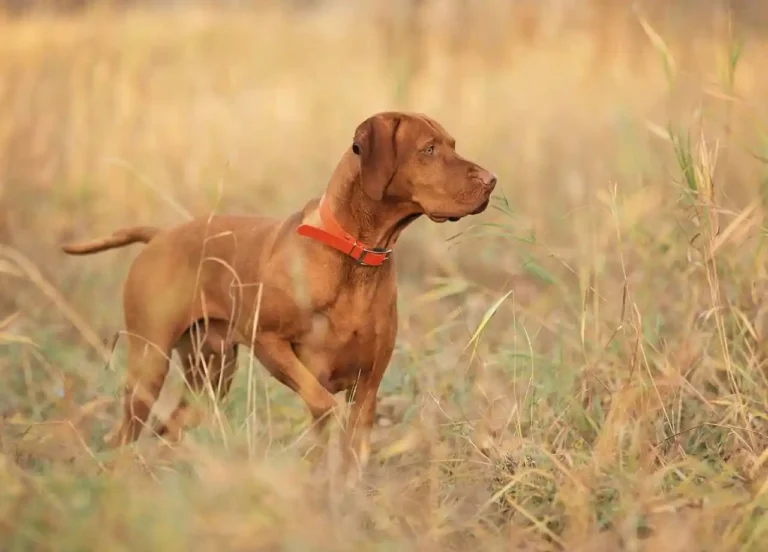
For many dogs, a good day is not simply a day when they have been physically tired out. It is a day when they have been allowed to think, investigate, make choices, and use the instincts that come naturally to them. That distinction matters. A dog can come home tired after running and still have had very little opportunity to solve a problem or engage deeply with the environment.
That is one reason we appreciate activities such as Barn Hunt. At Animal Friends’ Pampered Paws, we spend a great deal of time thinking about what makes an experience genuinely enriching for a dog, whether that experience happens during training, daycare, swimming, boarding, or structured activities with an owner. Barn Hunt classes stand out because they ask dogs to use one of their greatest natural abilities, their sense of smell, while also developing confidence, communication, and problem-solving skills.
Barn Hunt may look like a simple scent-searching activity from the outside, but there is considerably more happening between the dog, handler, and environment. For dogs that enjoy using their noses, it can provide an unusually satisfying combination of mental work and physical activity.
What Is Barn Hunt?
Barn Hunt is a dog sport built around searching for rats that are safely secured in aerated tubes and hidden among arrangements of straw or hay bales. The dog works through the course to locate the correct tube while the handler learns to recognize and communicate the dog’s indication.
The activity draws on behaviors that have existed in working dogs for generations. Many breeds were historically expected to locate vermin in barns, farms, homes, and other working environments. Barn Hunt turns elements of that natural hunting behavior into an organized activity in which the dog can search in a controlled setting.
Importantly, success does not depend entirely on breed. A dog does not need to be a terrier or come from a traditional ratting background to find scent work interesting. Dogs of many breeds and mixes can enjoy using their noses, investigating an environment, and learning how the game works.
That accessibility is part of what makes Barn Hunt interesting. Instead of asking every dog to perform in exactly the same way, it creates room for individual working styles.
Barn Hunt Gives Dogs a Job That Makes Sense to Them
People tend to think of exercise in terms of movement. We picture walks, running, swimming, chasing toys, or playing with other dogs. Those activities can be valuable, but a dog’s brain needs productive work as well.
Searching provides that work. A dog entering a Barn Hunt environment has information to sort through everywhere. There are unfamiliar smells, straw or hay, human scents, environmental distractions, and target odors. The dog has to determine which information matters and then follow it toward a result.
That process requires concentration. The dog is not simply waiting for a person to point out the answer. The nose becomes an information-gathering tool, and the dog has to interpret what it finds.
We believe that kind of purposeful activity is particularly valuable because it allows dogs to do something that feels natural rather than arbitrary. They are solving a problem with abilities they already possess.
Mental Enrichment Can Be Just as Important as Physical Exercise
A physically active dog is not automatically a mentally fulfilled dog. Some dogs can run, play, or retrieve for long periods and still remain eager for something else to do. What they may be missing is not additional mileage. They may be missing a challenge.
Barn Hunt creates a challenge that changes as the dog develops. A beginner may simply be learning that locating a particular scent produces a rewarding outcome. With experience, the dog must work through increasingly complicated searches and distractions.
This type of mental engagement can be deeply satisfying because scent work requires sustained attention. Rather than reacting to every interesting thing in the environment, the dog begins learning how to focus on a specific task.
For owners, this is also a useful reminder that enrichment does not have to mean constant excitement. Sometimes the best activity is one that encourages a dog to slow down, investigate, think, and make a decision.
Barn Hunt Can Help Dogs Develop Confidence
Confidence in dogs is often built through successful experiences rather than pressure. A dog encounters something unfamiliar, investigates it, makes a choice, and discovers that the choice leads somewhere positive. Repeated experiences of that kind can change how a dog approaches challenges.
Barn Hunt naturally creates opportunities for those small successes. The environment itself may initially be unusual. There may be bales to move around, spaces to investigate, tunnels to navigate, or new surfaces and smells to process. Dogs learn that they can enter the environment and work things out.

For a naturally cautious dog, progress may initially look modest. Choosing to investigate a new area or confidently following scent can be meaningful. The objective should not be to rush the dog toward a particular performance but to allow confidence to grow through appropriate challenges.
We place a high value on that principle in dog training generally. Confidence developed through thoughtful experiences tends to be much more useful than simply pushing a dog through something because we want a faster result.
It Teaches Owners to Read Their Dogs More Carefully
One of the less obvious benefits of Barn Hunt classes happens at the human end of the leash.
Dogs communicate constantly through posture, movement, breathing, speed, head position, changes in direction, and countless smaller behaviors. The difficulty is that people do not always notice those changes. Barn Hunt gives handlers a reason to watch closely.
A dog’s behavior when it first detects an interesting odor may be very different from its behavior when it reaches the source. One dog may suddenly become more deliberate. Another may become visibly excited. Another may circle, pause, return to the same area, or show a subtle change in body language.
Learning those patterns helps owners understand what their dogs are telling them.
This can strengthen the working relationship because the handler gradually becomes less focused on directing every movement and more capable of listening to the dog. In scent-based activities, that is especially important. The dog’s nose has access to information the person simply does not have.
Barn Hunt Encourages Productive Independence
Traditional obedience exercises often emphasize responsiveness to the handler. Sit means sit. Come means return. Stay means remain in position. Those skills have enormous practical value, but dogs also benefit from situations in which they are allowed to take responsibility for part of a task.
Barn Hunt offers that opportunity.
The handler is involved, but cannot smell the course the way the dog can. At some point, the person has to trust the dog to work. That changes the nature of the interaction.
For dogs that constantly look to their owners for instructions, scent work can encourage more independent problem-solving. For owners who instinctively want to help too much, it can teach patience. The partnership becomes less about giving a continuous stream of directions and more about understanding when to guide and when to let the dog work.
That balance between independence and teamwork is one of the qualities we find especially valuable in structured dog activities.
The Physical Challenge Is More Varied Than It Looks
Barn Hunt is primarily associated with scent work, but dogs are not standing still while they search. Depending on the course and level of participation, they may move around bales, change direction repeatedly, navigate tighter spaces, climb, or travel through tunnels.
Those movements ask for body awareness as well as nose work.
A dog has to consider where its feet are, how to approach an obstacle, and how to move through an environment that is different from a flat sidewalk or open yard. This variety can make the activity more interesting than repetitive exercise.
Physical suitability still matters. Age, mobility, conditioning, and individual comfort should always be considered when choosing activities for a dog. The goal should be appropriate enrichment, not forcing every dog into the same physical expectations.
Dogs Do Not Have to Be Traditional Working Breeds to Benefit
It is easy to assume that a sport involving rats and barn-like environments belongs exclusively to terriers. Their history certainly makes the connection obvious, but modern companion dogs come with a tremendous range of personalities and motivations.
A mixed-breed dog may turn out to be an enthusiastic scent worker. A dog that seems relatively uninterested in fetch may become intensely engaged when given something to find. A dog that is not particularly interested in group play may enjoy having a focused individual task.
This is why we prefer to look at the dog in front of us rather than relying too heavily on breed stereotypes. Breed characteristics can help explain tendencies, but they do not tell us everything about an individual animal.
Trying a new activity can reveal abilities and interests an owner had never previously seen. That discovery is part of the fun.
Barn Hunt Can Add Variety to a Dog’s Routine
Dogs benefit from routine, but routine and monotony are not the same thing. Predictability can help dogs feel secure, while carefully chosen new experiences give them opportunities to learn and adapt.
Barn Hunt can introduce a very different type of challenge from a neighborhood walk, play session, or ordinary training practice. Instead of repeating familiar behaviors, the dog enters an environment where investigation matters.
Variety is particularly useful for dogs that seem to have endless energy. Constantly trying to exhaust an energetic dog through more intense physical exercise can simply create a fitter dog that is capable of doing even more exercise. Adding mental work changes the equation.
Scent activities give the brain something substantial to do. That can make them a useful part of a broader enrichment routine alongside walks, play, training, social opportunities, and appropriate physical exercise.
The Best Progress Happens at the Dog’s Pace
We do not believe every dog activity needs to become a competition. Some owners may enjoy progressing through Barn Hunt levels or participating in events, while others may simply want an interesting activity they can share with their dogs.
Both approaches are valid.
The more important question is whether the dog is engaged, comfortable, and learning. A dog that needs extra time to investigate the environment should be given that opportunity. A dog that quickly understands the search may need progressively more challenging problems to remain engaged.
Good instruction recognizes these differences instead of expecting identical progress from every dog. Training should build understanding rather than simply produce a result.
Owners should also pay attention to what their dogs tell them. Enthusiastic searching, willingness to re-engage, and growing confidence can all indicate that the activity is meaningful to the dog. If a dog appears uncomfortable or overwhelmed, slowing down and adjusting the experience is more productive than pushing forward.
Barn Hunt Is Really About Letting Dogs Be Dogs
The greatest appeal of Barn Hunt may be its simplicity at heart. Dogs have extraordinary noses. They are curious about their environments. Many enjoy searching, investigating, climbing, exploring, and solving problems.
Barn Hunt gives those instincts somewhere productive to go.
From our perspective at Animal Friends’ Pampered Paws, good enrichment respects the individual dog. After more than 20 years of caring for pets, we have seen just how different dogs can be in what motivates them, what builds their confidence, and what makes them genuinely happy. Some love social play. Some are happiest in the water. Others come alive when they are given a problem to solve.
Barn Hunt classes can offer dogs and their people another way to discover what makes them tick. Whether the goal is mental enrichment, confidence, teamwork, physical variety, or simply sharing a new experience together, the real benefit comes from giving the dog meaningful work and paying attention to what happens next.