
For many puppy parents, the first boarding stay can feel like a major milestone. It often brings a mix of excitement, nervousness, and plenty of questions. Will my puppy be comfortable? How will they adjust to a new environment? Will they miss home?
At Animal Friends’ Pampered Paws, we’ve spent more than two decades caring for dogs of all ages, and we’ve learned that a puppy’s first boarding experience can shape how they feel about future stays. The good news is that puppies are incredibly adaptable when they are introduced to new experiences thoughtfully and positively. With proper preparation, boarding can become an enjoyable adventure rather than a stressful event.
Whether you’re planning a weekend getaway, traveling for work, or simply preparing for future needs, taking a few steps before your puppy’s first stay can make a remarkable difference. Many families find that combining early socialization opportunities, dog daycare visits, and short introductions to a boarding environment helps young dogs build confidence long before their overnight stay arrives.
Understanding Boarding Through Your Puppy’s Eyes
Puppies experience the world differently than adult dogs. Everything is new, and every experience contributes to how they view future situations. A boarding facility introduces new sights, sounds, smells, people, and canine companions all at once.
While this may sound overwhelming, puppies are also naturally curious. The key is helping them associate these new experiences with positive outcomes. A puppy that has been exposed to different environments, friendly people, and structured social situations is often much better prepared for boarding than one who has rarely left home.
We often remind pet parents that boarding isn’t simply about providing a place for a dog to stay. A quality boarding experience offers structure, enrichment, supervision, and social interaction. When puppies enter an environment designed around their safety and comfort, they can quickly settle into a healthy routine.
The preparation process should begin well before the day of check-in. Giving your puppy time to build familiarity with new experiences allows them to approach boarding with confidence rather than uncertainty.
Start Socialization Early and Intentionally
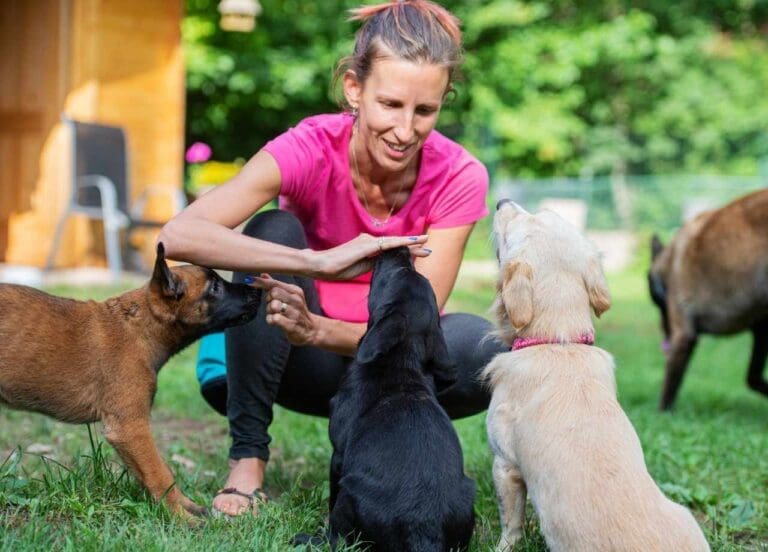
One of the most valuable gifts you can give your puppy is positive socialization. Socialization isn’t just about meeting other dogs. It includes exposure to different people, environments, sounds, surfaces, and daily experiences.
Puppies who regularly encounter new situations often develop stronger confidence and resilience. This confidence becomes especially helpful during boarding stays because the environment is naturally different from home.
Introduce your puppy to a variety of safe experiences throughout their early development. Walk in different neighborhoods. Visit pet-friendly locations. Allow them to meet friendly, vaccinated dogs and trustworthy people. Expose them to everyday sounds such as vacuum cleaners, traffic, and outdoor activities.
It’s important that these experiences remain positive. If your puppy appears overwhelmed, create distance and allow them to process at their own pace. Confidence develops through successful experiences, not forced exposure.
A well-socialized puppy is often more capable of adapting to boarding routines, meeting caregivers, and enjoying supervised interactions with other dogs.
Schedule a Trial Visit Before the Overnight Stay
One of the most effective ways to prepare a puppy for boarding is through gradual introductions. Expecting a young dog to go from never being away from home to spending several nights in a new environment can be challenging.
Instead, consider a shorter introductory experience first.
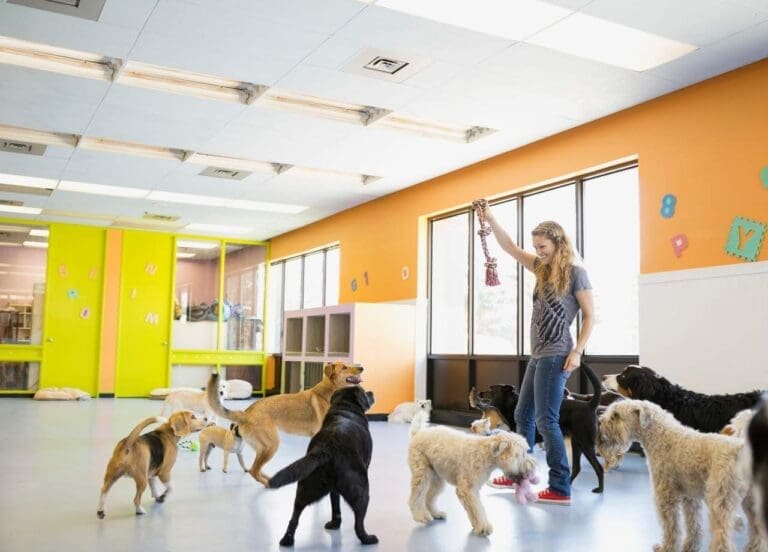
Many puppies benefit from a daycare visit or a brief daytime stay before their first overnight boarding reservation. This allows them to become familiar with the environment, routines, staff members, and play areas without the added adjustment of spending the night away from home.
During these visits, puppies learn valuable lessons. They discover that their family leaves and returns. They learn that caregivers provide attention and care. They experience supervised play and rest periods within a structured schedule.
These positive experiences create familiarity, and familiarity often reduces anxiety when the longer boarding stay arrives.
Help Your Puppy Become Comfortable Being Apart From You
Separation anxiety is one of the most common concerns among puppy owners preparing for boarding.
Many puppies spend most of their early weeks and months closely connected to their families. While this bond is important, puppies also need opportunities to develop independence.
Begin by practicing short departures at home. Leave your puppy with a safe enrichment toy or treat and step away for brief periods. Gradually increase the duration over time.
Avoid making departures and arrivals overly emotional events. Calm exits and relaxed greetings help teach your puppy that separation is a normal part of life.
Building confidence during short absences helps prepare puppies for future boarding stays. Instead of viewing your departure as something alarming, they learn that people leave and come back.
This lesson becomes incredibly valuable when they spend time in a boarding environment.
Ensure Vaccinations and Health Requirements Are Up to Date
Responsible boarding facilities place a strong emphasis on health and safety. This is particularly important for puppies whose immune systems are still developing.
Before your puppy’s boarding stay, make sure all required vaccinations and preventative care are current according to your veterinarian’s recommendations and the facility’s policies.

This preparation does more than satisfy requirements. It helps protect your puppy and every other guest sharing the facility.
If your puppy has allergies, dietary restrictions, medications, or special health considerations, communicate those details well in advance. The more information caregivers have, the better they can support your puppy’s individual needs.
A boarding team should understand not only your puppy’s medical requirements but also their personality, habits, preferences, and routines.
Practice Crate Time and Rest Periods
Even highly social puppies need rest. In fact, adequate rest is essential for healthy development.
Many first-time puppy owners focus heavily on play and exercise while overlooking the importance of teaching calm relaxation. Boarding environments typically include designated rest periods that allow dogs to recharge between activities.
If your puppy is already comfortable spending quiet time in a crate or resting area, they will often transition more smoothly into a boarding routine.
Practice short periods of calm confinement at home. Provide comfortable bedding, safe chew items, and positive reinforcement. The goal is not simply crate acceptance but the ability to relax independently.
Puppies who understand how to settle and rest are often better equipped to handle the excitement of a boarding environment.
Pack Familiar Items, But Keep It Simple
Many pet parents wonder what they should send with their puppy during boarding.
The answer often depends on the facility’s policies, but familiar items can provide comfort during a puppy’s first stay. A favorite blanket or an item carrying the scent of home may help create a sense of familiarity.
At the same time, it’s important not to overpack.
Puppies generally adapt best when they can focus on establishing a new routine rather than managing a large collection of belongings. Bringing familiar food is usually more important than bringing numerous toys or accessories.
Maintaining consistency in diet helps prevent digestive upset and allows caregivers to focus on helping your puppy adjust comfortably to their surroundings.
Maintain a Positive Attitude on Boarding Day
Dogs are remarkably skilled at reading human emotions.
If you’re anxious, worried, or emotional during drop-off, your puppy may interpret those feelings as signals that something is wrong. While it’s perfectly normal to feel nervous about your puppy’s first boarding experience, try to approach the day with confidence and optimism.
Keep your goodbye brief and upbeat. Long emotional farewells can sometimes increase uncertainty and make transitions more difficult.
A confident departure communicates an important message to your puppy: this is a safe place, and everything is okay.
Experienced boarding professionals understand that first-time stays can be emotional for pet parents as well. Trust the process and remember that your puppy is likely to become engaged in new activities and experiences shortly after arrival.
Understand That Some Adjustment Is Normal
Even well-prepared puppies may need time to settle into a new routine.
The first day often involves exploration, excitement, and learning. Some puppies jump right into activities, while others prefer to observe before fully engaging. Both responses are completely normal.
Similarly, when your puppy returns home, you may notice temporary changes in behavior. Some puppies sleep more than usual after a stay because they have enjoyed an active schedule filled with enrichment, play, and social interaction.
Others may seem especially excited to be home with their family.
These short-term adjustments are typically part of the transition process and usually resolve quickly as your puppy returns to their normal routine.
Building Positive Boarding Experiences for Life
A puppy’s first boarding stay is about much more than a single trip. It is an opportunity to build confidence, resilience, and positive associations that can benefit them throughout their life.
When preparation begins early, boarding becomes less about separation and more about learning, socialization, and growth. Puppies who experience thoughtful introductions, structured routines, and compassionate care often develop into adult dogs who are comfortable in a variety of environments.
At Animal Friends’ Pampered Paws, we believe every puppy deserves a first boarding experience that prioritizes safety, comfort, and individualized attention. The goal is never simply to get through the stay. The goal is to help young dogs feel secure, supported, and successful while away from home.
With preparation, patience, and the right environment, your puppy’s first boarding stay can become the foundation for many positive experiences in the years ahead. For pet parents, that’s one less thing to worry about and one more reason to feel confident when travel plans arise.