
When people hear the term “kennel cough,” many assume it is a minor inconvenience that causes a dog to cough for a few days and then move on. While some cases are indeed mild, our experience working with dogs over the years has taught us that kennel cough deserves more attention than it often receives. It is one of the most common contagious respiratory illnesses seen in dogs, particularly those who spend time around other dogs in boarding facilities, daycare programs, training classes, dog parks, grooming salons, and community events.
At Animal Friends’ Pampered Paws, the health and safety of every pet in our care is a responsibility we take seriously. Because we welcome dogs from many households into shared environments for boarding, daycare, swimming, and training activities, we understand firsthand how important prevention measures are. Vaccination requirements, health screenings, and responsible pet ownership all play a role in reducing the spread of contagious illnesses such as kennel cough.
The good news is that most cases can be prevented or significantly reduced through proper vaccination, good hygiene practices, and informed decision-making. Understanding what kennel cough is, how it spreads, and why vaccination requirements exist can help pet owners make the best choices for their dogs and for the larger canine community.
What Is Kennel Cough?
Kennel cough is the common name for a contagious respiratory infection known as canine infectious respiratory disease complex (CIRDC). Rather than being caused by a single virus or bacteria, kennel cough often develops from a combination of infectious agents working together to affect a dog’s respiratory system.
One of the most recognized causes is Bordetella bronchiseptica, a bacterium that can infect the upper respiratory tract and make dogs more vulnerable to additional infections. Viruses such as canine parainfluenza virus and canine adenovirus may also contribute to the illness. Because multiple pathogens can be involved, kennel cough is often described as a respiratory syndrome rather than a single disease.
The condition primarily affects the trachea and upper airways. When these tissues become irritated and inflamed, dogs develop the characteristic dry, hacking cough that many owners immediately recognize. Some describe the sound as though their dog is trying to clear something from their throat or has something stuck in their airway.
While healthy adult dogs often recover without complications, puppies, senior dogs, and dogs with weakened immune systems may experience more serious symptoms and require veterinary treatment.
Why Kennel Cough Spreads So Easily
One reason kennel cough remains so common is that it spreads exceptionally well in environments where dogs interact with one another. Respiratory droplets released through coughing, barking, sneezing, or even close contact can carry infectious organisms from one dog to another.
Dogs do not need prolonged exposure for transmission to occur. A brief encounter at a dog park, veterinary clinic, daycare facility, training class, or boarding kennel may be enough to expose a susceptible dog. Shared surfaces such as water bowls, toys, gates, and equipment can also contribute to the spread when proper sanitation measures are not maintained.
Another challenge is that some dogs may be contagious before showing obvious symptoms. A seemingly healthy dog could unknowingly spread infection to others during the early stages of illness. This is one of the primary reasons reputable pet care facilities establish vaccination requirements and health protocols designed to minimize risk throughout the entire population.
Just as schools and workplaces take steps to reduce the spread of illness among people, responsible dog care facilities must create layers of protection for the dogs entrusted to them.
Recognizing the Symptoms of Kennel Cough
The most recognizable symptom of kennel cough is a persistent, dry cough. Owners often describe it as a honking sound or a forceful hacking cough that seems to originate deep in the throat.
Many dogs remain energetic and continue eating and drinking normally despite the cough. In mild cases, the dog may appear completely healthy aside from occasional coughing episodes.
However, symptoms can vary depending on the underlying pathogens involved and the dog’s overall health. Additional signs may include nasal discharge, sneezing, watery eyes, mild fever, lethargy, or decreased appetite.
A worsening condition may indicate that the infection has progressed beyond a simple upper respiratory illness. Dogs that become unusually tired, refuse food, develop a fever, or experience difficulty breathing should be evaluated by a veterinarian promptly.
One important point to remember is that not every cough is kennel cough. Heart disease, collapsing trachea, allergies, foreign objects, and other respiratory conditions can produce similar symptoms. Professional veterinary evaluation is the best way to determine the underlying cause.
How Veterinarians Diagnose Kennel Cough
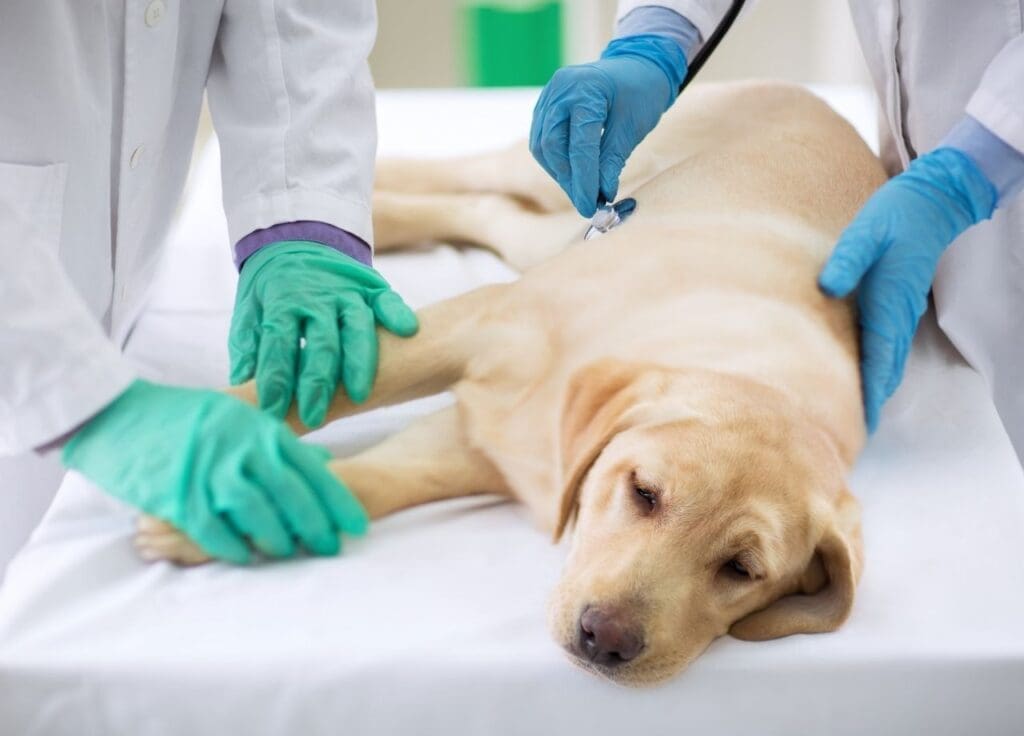
Diagnosis often begins with a physical examination and a discussion of the dog’s recent activities. Veterinarians typically ask whether the dog has recently been boarded, attended daycare, visited a groomer, participated in training classes, or spent time around unfamiliar dogs.
In many straightforward cases, the characteristic cough and recent exposure history provide enough information for a veterinarian to make a clinical diagnosis. More extensive testing may be recommended if symptoms are severe, persistent, or accompanied by signs of pneumonia.
Diagnostic procedures can include chest radiographs, respiratory pathogen testing, bloodwork, or additional examinations depending on the dog’s condition. These tests help identify underlying causes and guide treatment decisions when complications arise.
The goal is not simply to confirm kennel cough but also to rule out more serious conditions that may require different medical management.
Treatment and Recovery
Most healthy dogs recover from uncomplicated kennel cough within one to three weeks. Treatment recommendations depend on the severity of symptoms and the specific pathogens involved.
Veterinarians may prescribe cough suppressants in certain situations to improve comfort and reduce airway irritation. If bacterial involvement is suspected or confirmed, antibiotics may be recommended. Rest and reduced physical activity are often important components of recovery because excessive exercise can aggravate coughing episodes.
Hydration also plays a valuable role during the healing process. Fresh water and a comfortable environment help support recovery while minimizing stress on the respiratory system.
Pet owners are often surprised to learn that isolation is one of the most important aspects of treatment. Dogs recovering from kennel cough should avoid close contact with other dogs until they are no longer considered contagious. This helps protect the broader canine community and prevents additional outbreaks.
Even after symptoms improve, some dogs may continue to experience occasional coughing for a short period while airway tissues fully heal.
Understanding the Bordetella Vaccine
When discussing kennel cough prevention, the Bordetella vaccine is usually at the center of the conversation. Although no vaccine can eliminate all risk, Bordetella vaccination remains one of the most effective tools available for reducing infection rates and limiting disease severity.
The vaccine targets Bordetella bronchiseptica, one of the primary bacterial contributors to kennel cough. Depending on veterinary recommendations, the vaccine may be administered intranasally, orally, or by injection.
Each method stimulates the immune system differently, and veterinarians select the most appropriate option based on individual circumstances. Dogs that frequently socialize with other dogs often benefit from maintaining consistent protection through regular vaccination schedules.
A common misconception is that vaccination guarantees a dog will never develop kennel cough. In reality, because multiple pathogens can cause respiratory illness, vaccinated dogs may still experience infection. However, vaccination often reduces the likelihood of severe disease and can shorten the duration and intensity of symptoms.
This principle is similar to many vaccines used in both human and veterinary medicine. The goal is not merely prevention but also meaningful reduction of risk and severity.
Why Boarding Facilities Require Vaccinations
Many pet owners wonder why boarding facilities, daycare centers, training programs, and grooming businesses require proof of vaccination before accepting dogs.
The answer is rooted in population health rather than individual risk alone. Whenever dogs from different households gather together, opportunities for disease transmission increase. Vaccination requirements create a protective barrier that helps reduce the spread of contagious illnesses throughout the group.
From our perspective, vaccination policies are not simply administrative requirements. They are part of a larger commitment to protecting every dog entrusted to our care. Responsible facilities understand that one preventable outbreak can affect numerous pets and create significant stress for both owners and staff.
Vaccination requirements also help establish a culture of proactive health management. When facilities, veterinarians, and pet owners work together, the entire canine community benefits from lower disease risk and healthier social environments.
Additional Prevention Strategies Beyond Vaccination
Vaccination is important, but it is only one part of a comprehensive prevention strategy. Effective disease control relies on multiple layers of protection working together.
Proper sanitation remains essential. Regular cleaning and disinfection of surfaces, kennels, play areas, water stations, and equipment help reduce environmental contamination. Staff members should follow strict hygiene practices and monitor dogs for signs of illness.
Pet owners also play a significant role. Dogs showing symptoms of respiratory illness should stay home and avoid social activities until cleared by a veterinarian. This simple decision can prevent exposure for many other dogs.
Maintaining overall health supports a stronger immune system as well. Good nutrition, regular veterinary care, appropriate exercise, stress reduction, and parasite prevention all contribute to a dog’s ability to resist infection and recover more effectively when illness occurs.
Awareness matters too. Understanding the signs of kennel cough and seeking veterinary guidance early can reduce complications and limit transmission.
When Pet Owners Should Contact Their Veterinarian
Not every cough requires emergency care, but every persistent cough deserves attention. Pet owners should contact their veterinarian if coughing lasts more than a few days, worsens over time, or is accompanied by fever, lethargy, breathing difficulties, or loss of appetite.
Puppies, senior dogs, and pets with underlying medical conditions should be evaluated promptly because they face a higher risk of complications. Early intervention often leads to better outcomes and helps prevent minor respiratory issues from progressing into more serious illnesses.
Veterinarians can provide individualized recommendations based on the dog’s age, health status, lifestyle, and vaccination history. These professional assessments are particularly valuable for dogs that frequently participate in social activities such as boarding, daycare, training, or community events.
A Shared Responsibility for Canine Health
Kennel cough remains one of the most common respiratory illnesses affecting dogs, but it is also one of the most manageable when pet owners, veterinarians, and pet care professionals work together. Understanding how the disease spreads, recognizing symptoms early, and following recommended vaccination protocols all contribute to a safer environment for dogs everywhere.
As professionals who care for dogs every day, we view prevention as far more effective than treatment. Vaccination requirements are not barriers to participation. They are safeguards designed to protect individual pets and the broader canine community. Every healthy interaction between dogs depends on a foundation of responsible health practices.
By staying informed, maintaining regular veterinary care, and respecting vaccination guidelines, pet owners can help ensure their dogs enjoy the social experiences they love while minimizing the risk of contagious illness. That shared commitment benefits not only individual pets but every dog they encounter along the way.