
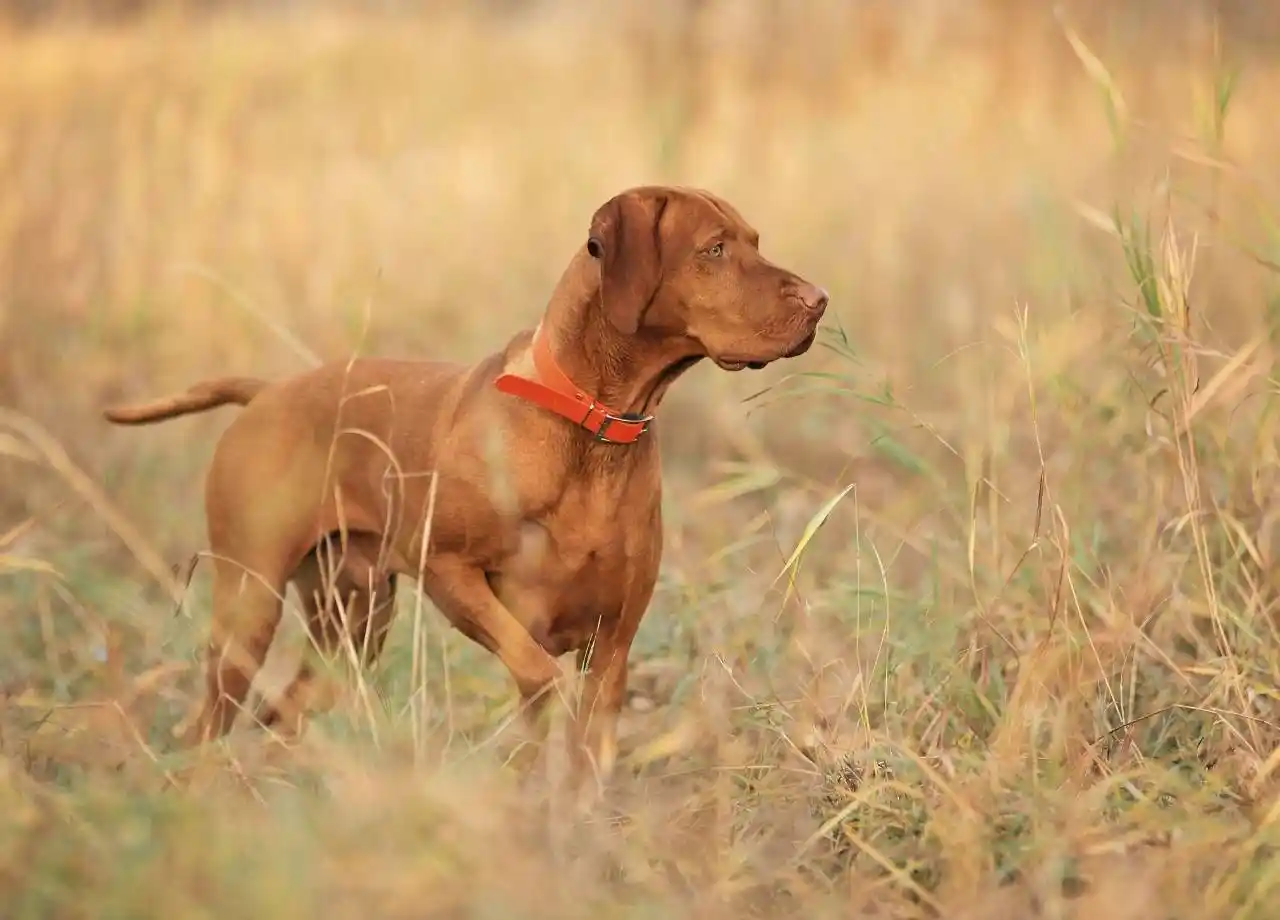
If you have ever watched a dog enthusiastically follow a scent trail, investigate every corner of a yard, or proudly show off their natural hunting instincts, you have already seen the foundation of Barn Hunt in action. This fast-growing dog sport celebrates one of the most deeply rooted canine abilities: scent detection and vermin hunting instincts. At Animal Friends’ Pampered Paws, we love activities that challenge dogs mentally and physically, which is one reason we appreciate sports like Barn Hunt. Just as our dog training and enrichment programs encourage confidence and engagement, Barn Hunt gives dogs a healthy outlet to use skills that come naturally to them.
Many dog owners are surprised to learn that Barn Hunt is not limited to specific breeds. While terriers often receive the spotlight because of their historical role as vermin hunters, dogs of all breeds, sizes, and backgrounds can participate. We have seen firsthand how dogs thrive when given opportunities to solve problems, work independently, and engage their senses. Barn Hunt provides exactly that type of challenge.
Whether you are looking for a new hobby with your dog, considering entering your first competition, or simply curious about what happens inside a Barn Hunt ring, this guide will help you understand the sport from the ground up.
What Is Barn Hunt?
Barn Hunt is a dog sport that simulates traditional barnyard hunting scenarios. Dogs navigate a course made of straw or hay bales while searching for safely contained rats hidden within specially designed aerated tubes. The goal is not to harm the rats. In fact, the rats are carefully protected throughout the process and are accustomed to the environment.
The sport was created to showcase a dog’s natural hunting instincts while providing a safe and controlled competitive setting. Unlike obedience competitions where precision and handler direction are heavily emphasized, Barn Hunt allows dogs to think independently and solve scent-based puzzles. The handler’s role is important, but the dog ultimately does the detective work.
What makes Barn Hunt particularly appealing is its accessibility. Young dogs, senior dogs, mixed breeds, and purebred dogs can all participate. Success is often determined less by breed and more by enthusiasm, confidence, and the willingness to use natural scenting abilities.
Why Dogs Love Barn Hunt
Dogs experience the world primarily through their noses. While humans rely heavily on vision, dogs gather enormous amounts of information through scent. Barn Hunt taps directly into that natural instinct.
For many dogs, the sport feels more like a game than a competition. They are encouraged to investigate, explore, climb, tunnel, and search. Every successful find provides mental stimulation and satisfaction. The experience can be particularly rewarding for energetic dogs that need more than daily walks to stay fulfilled.
We often tell pet owners that mental exercise can be just as tiring as physical exercise. A focused scent-searching session can leave a dog pleasantly exhausted and satisfied. Barn Hunt combines both mental and physical engagement, making it an excellent activity for dogs that enjoy problem-solving.
The sport also strengthens the relationship between dog and handler. Learning to read your dog’s body language, trust their instincts, and work as a team creates a deeper understanding that often carries over into everyday life.
Understanding the Basic Rules of Barn Hunt
At first glance, a Barn Hunt course can appear simple. However, there is much more happening than most spectators realize.
A typical course consists of straw or hay bales arranged to create tunnels, obstacles, elevated surfaces, and hiding places. Somewhere within the course are tubes. Some contain rats, while others may contain litter material or be completely empty.
The dog’s job is to locate the rat tubes and clearly indicate their presence to the handler. Since every dog communicates differently, handlers learn to recognize unique signals such as pawing, staring, barking, digging motions, or intense focus on a specific location.
In addition to finding rats, dogs may also be required to navigate tunnels and climb onto designated bale structures. Judges evaluate whether the dog successfully completes all required elements within the allotted time.
As teams advance through competition levels, the searches become increasingly complex. More distractions, larger course areas, additional rat tubes, and tighter time limits create greater challenges.
The Different Barn Hunt Competition Levels
Barn Hunt competitions are structured to accommodate beginners while offering increasingly difficult challenges for experienced teams.
Instinct Class
The Instinct Class serves as an introduction to the sport. Dogs search a small area containing a limited number of tubes. The objective is straightforward: identify the tube containing the rat.
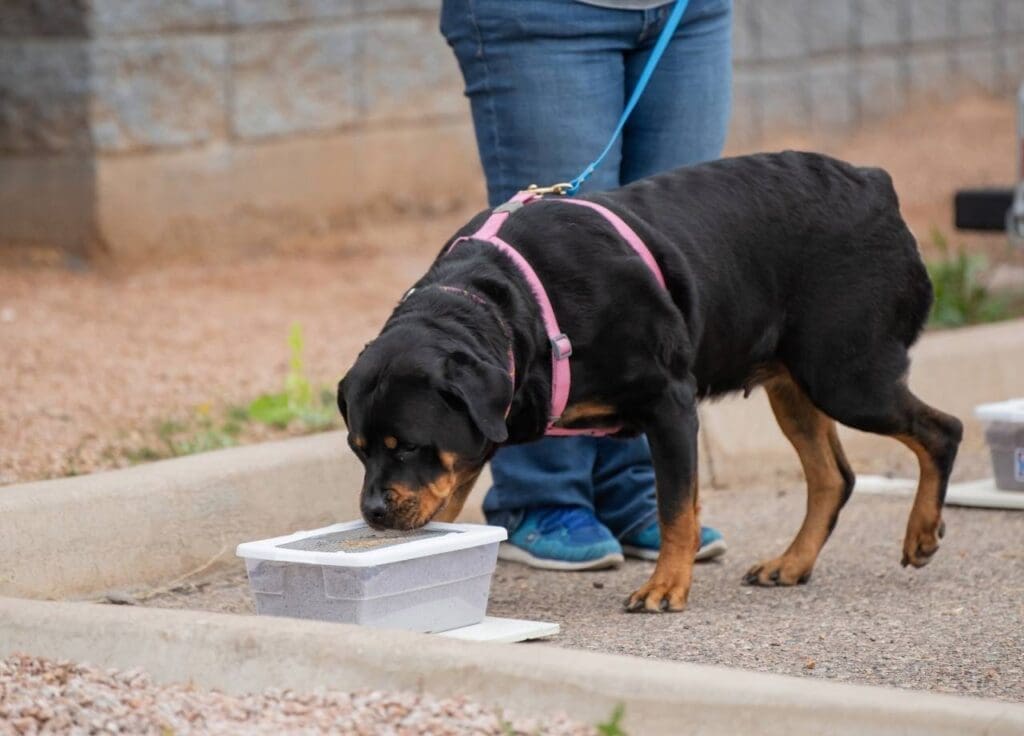
This level helps handlers understand how their dogs respond to scent work while allowing dogs to gain confidence in a competition setting.
Novice Level
The Novice level introduces additional course elements. Dogs must locate rat tubes, navigate tunnels, and complete climbing requirements. The courses remain relatively manageable, making this an ideal starting point for new competitors.
Many first-time competitors spend time at this level learning how to read their dog’s signals and improve communication under pressure.
Open, Senior, and Master Levels
As teams progress, the complexity increases significantly. Larger search areas, more hidden rats, additional distractions, and advanced course designs require greater accuracy and teamwork.
At the Master level, dogs are often faced with intricate scent puzzles that challenge even experienced competitors. Success requires confidence, consistency, and a strong partnership between dog and handler.
Is Your Dog a Good Candidate for Barn Hunt?
One of the most common questions we hear is whether a particular dog is suitable for Barn Hunt.
The encouraging answer is that many dogs can excel in this sport. Terriers naturally fit the activity because of their historical breeding purpose, but they are far from the only successful competitors. Sporting breeds, herding breeds, hounds, mixed breeds, and even toy breeds regularly participate.
The most important qualities are curiosity, confidence, and interest in scent-based activities. Dogs that enjoy exploring, searching for treats, or solving puzzles often adapt quickly to Barn Hunt.
Age is not necessarily a limitation either. Younger dogs frequently enjoy the excitement and movement, while senior dogs may appreciate the mental challenge. Since dogs work at their own pace, the sport can often be adjusted to suit individual capabilities.
Dogs that are shy or uncertain can also benefit. Carefully introduced scent work activities often help build confidence by encouraging independent problem-solving and success.
How to Prepare for Your First Barn Hunt Event
Preparation begins long before entering the competition ring.
Start by exposing your dog to scent-based games at home. Hide treats around the house, encourage searching activities, and reward investigative behavior. These simple exercises help develop focus and confidence.
Many owners also benefit from participating in organized scent work or training classes before attending their first Barn Hunt event. Structured learning environments provide valuable guidance and help dogs become comfortable working around unfamiliar sights, sounds, and distractions.
Physical conditioning matters as well. Dogs may need to climb, maneuver around bales, and move through tunnels. Maintaining a healthy fitness level supports both safety and performance.
Equally important is preparing yourself as the handler. Learning to observe subtle body language cues often makes the difference between identifying a successful find and accidentally overlooking it.
Common Beginner Mistakes
Nearly every newcomer makes mistakes during their first few competitions. Fortunately, these experiences are part of the learning process.
One common error is over-handling. New handlers sometimes try to direct every movement instead of allowing the dog to work independently. Barn Hunt rewards natural scenting behavior, so excessive guidance can actually interfere with performance.
Another mistake is failing to trust the dog. Dogs often detect odor long before their handlers recognize what is happening. Hesitation can result in missed opportunities and lost time.
Some competitors also focus too heavily on titles and ribbons during their early experiences. While achievements are rewarding, the primary goal should be building confidence, learning the sport, and strengthening the partnership with your dog.
Patience remains one of the most valuable qualities for both dog and handler.
What to Expect on Competition Day
The atmosphere at most Barn Hunt events is welcoming and supportive. Experienced competitors generally enjoy helping newcomers understand the process and feel comfortable.
Upon arrival, competitors check in, review running orders, and familiarize themselves with the event schedule. Dogs typically spend time relaxing between runs while handlers observe courses and prepare mentally.
When it is your turn, focus on keeping the experience positive. Dogs often respond to their handler’s emotions, so remaining calm and confident can significantly influence performance.
Remember that every run provides valuable information. Whether your dog qualifies or not, each experience contributes to future growth and success.
The Lasting Benefits of Barn Hunt
Barn Hunt offers far more than competition titles. It provides enrichment, confidence-building, mental stimulation, and meaningful engagement for dogs and their owners.
We believe the best canine activities allow dogs to express natural behaviors in healthy and productive ways. Barn Hunt accomplishes exactly that. Dogs get to use their remarkable noses, solve problems independently, and enjoy a sense of purpose that many modern pets rarely experience.
For owners, the sport offers an opportunity to better understand their dogs. Watching a dog work through a scent puzzle reveals intelligence, determination, and instincts that might otherwise remain hidden.
Whether your goal is competitive success or simply finding a fun new activity to enjoy together, Barn Hunt can be an incredibly rewarding journey. The sport celebrates what dogs do best, and in many ways, it reminds us why we admire them so much. Every successful search highlights the extraordinary abilities that have made dogs our trusted companions for generations.
If you are considering trying Barn Hunt, start small, stay patient, and focus on the experience rather than the outcome. You may discover that your dog has a talent you never knew existed, and you will likely have a great deal of fun along the way.